Mastering Customs Compliance: A Strategic Guide for Freight Forwarders
Saturday, October 10 2026
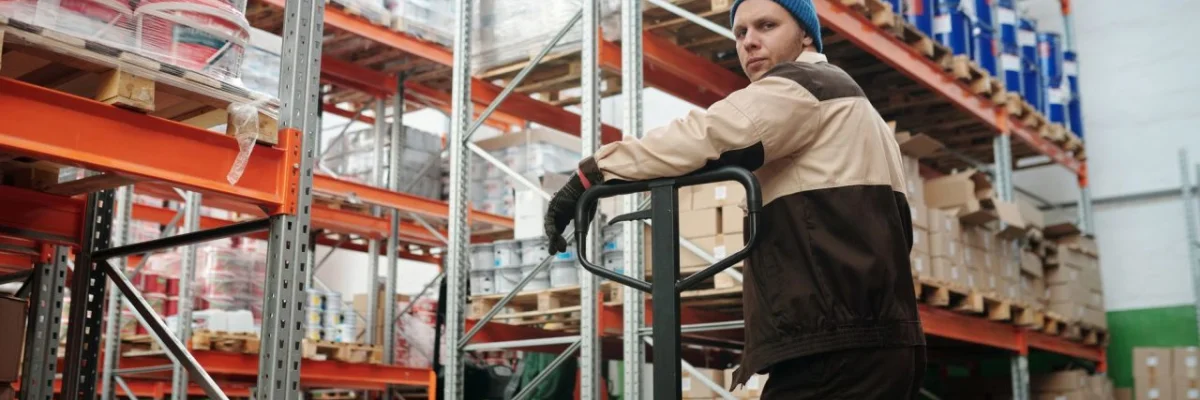
Global trade relies on the seamless movement of goods across complex international borders, making customs compliance a non negotiable pillar of freight forwarding excellence. As regulatory landscapes shift and security requirements tighten, forwarders must prioritize accuracy to avoid costly delays, heavy penalties, and reputational damage. By integrating advanced software solutions with rigorous data management practices, businesses can transform their compliance processes from a reactive burden into a strategic competitive advantage. This guide explores the critical components of modern customs management, ensuring your operations remain agile, transparent, and fully aligned with global trade standards throughout every single shipment cycle.
The Digital Transformation of Documentation

Modern digital platforms have replaced the traditional paper trail with centralized electronic data systems. Digitizing your paperwork reduces human error, provides real time visibility for customs authorities, and ensures that every declaration matches the physical cargo being transported across international borders.
- Automated Data Entry: Eliminate manual input mistakes by integrating your freight software directly with global customs portals for instant data validation and reduced risk of filing errors.
- Standardized Document Templates: Create uniform documentation processes across your entire network to maintain consistency and professional standards for all commercial invoices and packing lists submitted.
- Cloud Based Storage: Store all essential shipping records in a secure, cloud based repository that allows instant retrieval during audits or inquiries from local government officials.
- Real Time Syncing: Ensure that every stakeholder in the supply chain receives automatic updates whenever customs status changes occur on a specific container or air shipment.
- Enhanced Data Accuracy: Utilize built in verification tools that flag missing information or incorrect tariff codes before you transmit data to the relevant customs authorities.
Adopting digital tools simplifies the complex burden of customs declarations while significantly improving your operational efficiency. When teams stop hunting for paper files, they gain more time to focus on high level strategy and customer service. Making the switch to a unified software platform ensures your firm stays compliant while saving substantial resources that would otherwise be wasted on repetitive administrative tasks.
Classification and Tariff Optimization
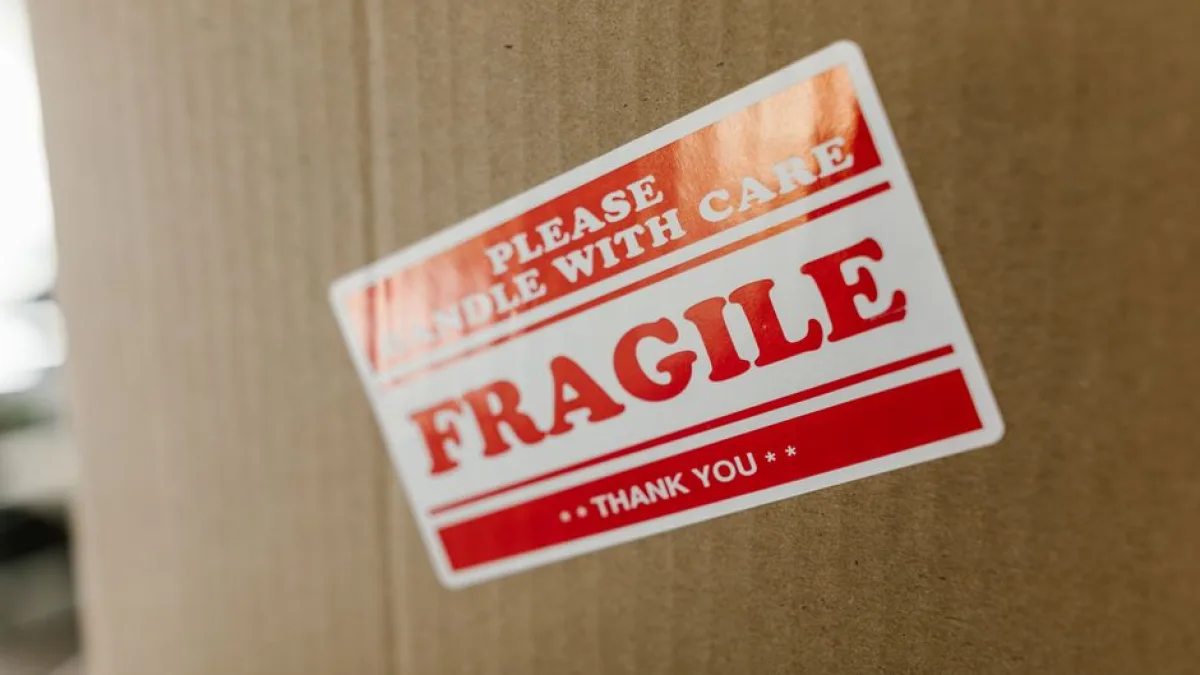
Accurate classification is the foundation of successful customs operations. Assigning the correct Harmonized System codes determines your duty rates, tax obligations, and regulatory requirements, directly impacting the bottom line of your clients and the efficiency of your logistical planning processes.
- Global Tariff Databases: Access up to date tariff tables through your software platform to ensure you are applying current codes based on international standard trade regulations.
- Consistent HS Mapping: Develop a standardized mapping system for your frequent cargo items to avoid classification discrepancies that lead to audits or seizure of goods.
- Regulatory Risk Alerts: Receive proactive notifications regarding changes in tariff laws or trade agreements that might affect the clearance speed of your specific client commodities.
- Duty Drawback Support: Track eligible duties through automated systems that identify opportunities for refunds based on the specific export criteria and documented supply chain history.
- Client Advisory Services: Offer your clients expert guidance on product classification to help them minimize costs while remaining fully compliant with all regional trade laws.
Precision in classification is essential for maintaining a high level of trust with both clients and border authorities. By leveraging advanced software to handle the intricacies of HS codes, your team can avoid costly miscalculations and clearance delays. Focusing on these details allows you to position your firm as a reliable partner capable of navigating even the most challenging international markets.
Managing Regulatory Security Programs

Freight forwarders must actively participate in security programs to facilitate smooth cross border transit. Programs like Authorized Economic Operator or C TPAT require rigorous internal audits and security procedures that protect the supply chain from internal and external threats alike.
- Audit Readiness Prep: Conduct frequent internal reviews using your software to ensure that all documentation meets the strict requirements of international security certification programs daily.
- Supply Chain Mapping: Document every leg of the transportation process to demonstrate total security and control over the goods until they reach the final destination.
- Vendor Compliance Tracking: Monitor the security status of your partners and carriers to ensure that your entire network meets the high standards required for compliance.
- Incident Reporting Systems: Establish a structured digital log for reporting any security irregularities or unauthorized access attempts to maintain compliance with government reporting standards.
- Certified Personnel Training: Track the training records of your staff to ensure everyone understands the latest security protocols required for maintaining your current trade status.
Securing your supply chain is not merely a bureaucratic requirement but a way to demonstrate professional reliability to your clients. These programs differentiate your forwarding business by proving that you maintain the highest standards of safety and oversight. Consistently updating your security credentials ensures you can leverage fast track clearance lanes, giving your clients a clear logistical advantage over the competition.
Navigating Trade Agreements and Rules

Understanding regional trade agreements and their specific rules of origin is vital for optimizing duty costs. Staying informed about shifting political landscapes and bilateral treaties allows you to provide significant financial value to your clients while ensuring total operational compliance everywhere.
- Origin Verification Tools: Use integrated software modules to confirm the country of origin, ensuring that your cargo qualifies for preferential duty rates under specific treaties.
- Trade Agreement Library: Keep an extensive database of all active trade agreements readily available for your operations team to reference during daily booking and planning.
- Preferential Duty Tracking: Monitor duty savings effectively by generating reports that showcase exactly how your expertise in trade law lowers costs for your valued clients.
- Compliance Monitoring Dashboards: Visualize your progress on trade agreement adherence to catch potential risks before they escalate into larger issues during the final import process.
- Policy Update Notifications: Subscribe to automated alerts that notify your team immediately when a trade agreement changes or a new regulatory requirement takes effect globally.
Navigating the web of international trade agreements demands constant attention and a solid grasp of complex legal frameworks. By using MakeCargo software to manage these variables, your team can guarantee that every shipment benefits from available incentives. This proactive approach to trade rules protects your clients from unexpected costs and keeps your operations flowing smoothly through the most complex international border checkpoints.
Conclusion

Staying ahead in customs compliance requires a blend of expert knowledge and robust digital tools. By leveraging automated systems for documentation, classification, and trade agreement tracking, your freight forwarding business can minimize risks while maximizing efficiency. MakeCargo provides the essential infrastructure to handle these challenges with precision and speed. Start optimizing your customs operations today to ensure your firm remains a leader in global logistics.