Mastering Customs Compliance: A Modern Guide for Freight Forwarders
Monday, October 12 2026

Navigating the complex landscape of global customs regulations remains one of the most significant challenges for modern freight forwarders. As trade policies evolve and border security measures tighten, the margin for error effectively vanishes. Relying on outdated manual processes or disconnected documentation workflows exposes your firm to severe penalties, shipment delays, and reputational damage. By embracing digital integration and proactive compliance strategies, forwarders can transform these regulatory hurdles into a competitive advantage. This guide explores the essential pillars of maintaining seamless customs operations in a cloud-driven logistics environment, ensuring your business stays compliant while scaling operations efficiently across international borders today.
Navigating Digital Documentation Protocols

Modern digital documentation serves as the backbone of efficient customs clearance processes. By automating data entry and validation, forwarders reduce human errors that often lead to inspection delays or fines. Technology platforms streamline communication between stakeholders while ensuring real-time visibility for all parties involved.
- Automated Data Validation: Digital tools instantly cross-reference shipment data against international trade databases to ensure accuracy and prevent common entry errors before submissions reach the customs authority officials.
- Standardized Electronic Filing: Adopting universal formats for electronic document submission simplifies the integration process with diverse government systems across multiple international jurisdictions while enhancing overall operational speed and efficiency.
- Real-time Document Tracking: Cloud software provides immediate status updates on clearance progress which allows your team to address potential regulatory issues as they emerge rather than discovering delays.
- Secure Cloud Archiving: Maintaining immutable digital records in a secure cloud environment simplifies the audit process and guarantees that necessary documentation remains accessible for regulatory requests at anytime.
Digital transformation is no longer optional for firms operating within global supply chains. By leveraging cloud-based platforms, forwarders gain the precision required for complex international entries. This shift not only accelerates the clearance timeline but also provides peace of mind through improved record-keeping practices. Investing in these sophisticated tools allows your team to focus on core growth while maintaining full compliance effortlessly.
Ensuring Accurate Tariff Classification
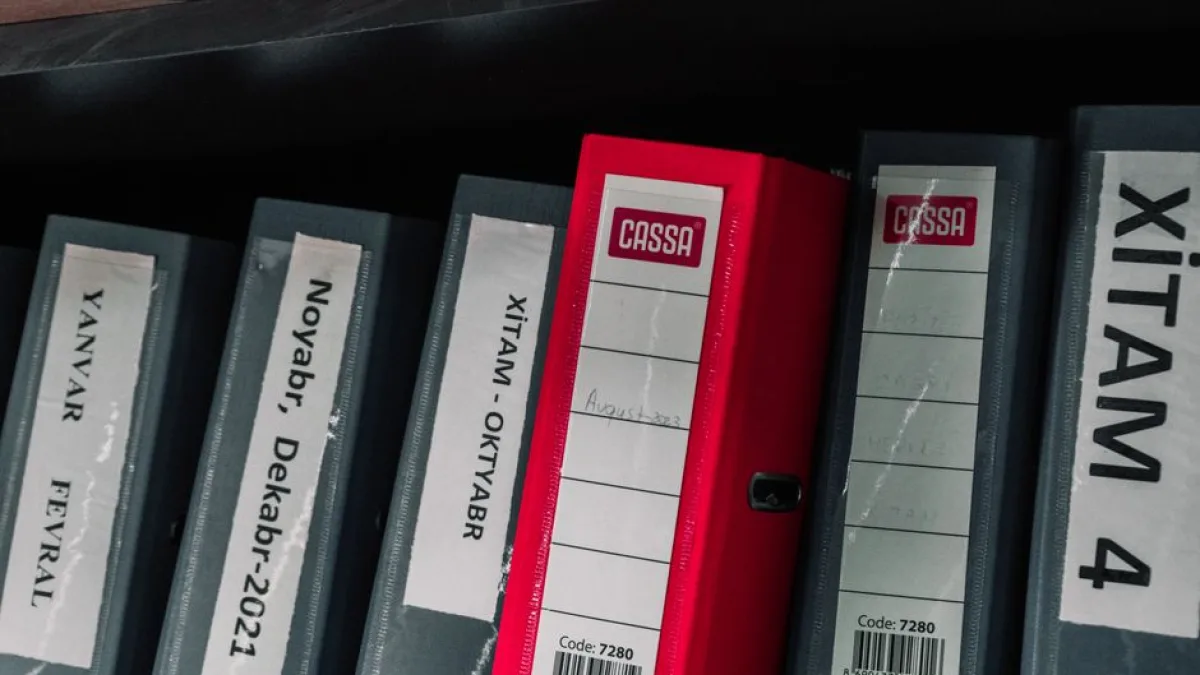
Proper tariff classification is the foundation of lawful trade and duty optimization. Misclassifying goods can lead to significant financial penalties or shipment seizures. Advanced software assists professionals in assigning the correct codes to ensure total compliance with regional tax requirements.
- Harmonized System Compliance: Integrated software solutions simplify the complex process of identifying the correct HTS codes based on product descriptions to ensure accurate duty calculations for every shipment.
- Rules of Origin: Automated logic checks verify compliance with specific trade agreements to determine if goods qualify for preferential duty rates based on their origin and production.
- Audit Trail Integrity: Detailed logs track why a specific code was selected for a shipment to provide a clear justification during any potential government customs agency compliance reviews.
- Dynamic Code Updates: Subscription-based databases automatically push updates to your system whenever international trade codes change to prevent the use of obsolete classifications for current cargo movements.
Accurate classification serves as the primary barrier against unexpected costs and logistical disruptions. By embedding intelligent databases within your workflow, your team avoids the risks associated with manual errors. This proactive approach to tariff management builds trust with clients and customs authorities alike. Maintaining these standards ensures that your shipping operations remain predictable, efficient, and fully aligned with global trade regulations.
Managing International Trade Compliance

Global trade compliance requires a deep understanding of ever-changing international laws and sanctions. Freight forwarders must implement robust internal controls to vet parties involved in every transaction. Strategic compliance management protects your firm from unintended involvement in prohibited trade activities or restricted shipments.
- Denied Party Screening: Automated systems perform instant background checks on all entities involved in a shipment to ensure full adherence to current global trade embargoes and sanctions.
- Export Control Checks: Software platforms proactively identify sensitive goods that require special permits or government authorization before they reach the export terminal to prevent legal complications abroad.
- Vendor Compliance Monitoring: Systematic tracking of carrier and partner performance ensures that every link in your supply chain adheres to the same high standards of regulatory compliance.
- Proactive Risk Mitigation: Advanced analytics provide early warning signs regarding regional political shifts that might impact trade routes or legal requirements for your ongoing international logistics projects.
Risk management is an essential element of sustainable freight forwarding. By automating the screening process, you eliminate the possibility of human oversight in complex regulatory scenarios. These robust control measures provide a protective shield for your operations in volatile global markets. Committing to rigorous compliance standards ensures your firm remains a reliable partner capable of navigating even the most challenging trade environments.
Optimizing Customs Brokerage Partnerships

Effective collaboration with customs brokers is critical for smooth cross-border transactions. A seamless partnership relies on shared visibility and standardized communication channels. When information flows freely between your freight software and broker systems, the risk of delays drops significantly during the clearance process for your clients.
- Integrated Broker Portals: Direct connections between your platform and broker systems eliminate the need for manual email threads to synchronize shipment data and important customs clearance documents.
- Collaborative Exception Management: Unified dashboards allow both parties to see clearance flags immediately which enables rapid resolution of issues before they affect the entire shipping schedule today.
- Standardized Status Reporting: Custom triggers send automated alerts to both your operations team and the customs broker to keep everyone aligned on urgent clearance milestones and requirements.
- Performance Analytics Tracking: Use historical data to evaluate your broker partners on their clearance speed and accuracy to ensure your firm maintains the highest quality service levels.
Strong relationships with customs brokers drive efficiency throughout the import and export lifecycle. By integrating your communication platforms, you create a cohesive team dedicated to maintaining regulatory standards. This synergy reduces friction and provides your clients with a superior service experience. Investing time into these collaborative systems pays off by creating a resilient and responsive supply chain architecture for your company.
Conclusion
Maintaining customs compliance is a continuous process that demands the right blend of technology and expertise. By digitizing your documentation, mastering tariff codes, screening trade partners, and fostering strong brokerage relationships, you position your firm for long-term success. MakeCargo provides the tools necessary to automate these critical workflows. Start optimizing your customs operations today to secure your competitive edge in the global marketplace.