Mastering Customs Compliance: A Strategic Guide for Freight Forwarders
Tuesday, October 20 2026
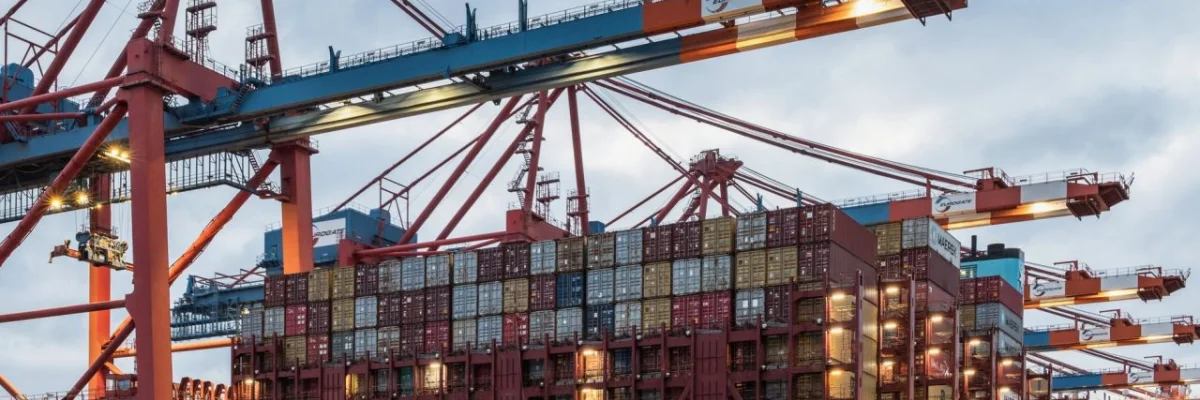
Navigating the complex landscape of global trade regulations requires precision and foresight to ensure cargo flows seamlessly across international borders. Freight forwarders often face the daunting task of managing shifting documentation requirements, varied tariff structures, and strict security protocols imposed by customs authorities worldwide. As digital transformation reshapes the industry, leveraging technology is no longer optional for companies aiming to maintain high compliance standards while avoiding costly delays and legal penalties. By standardizing processes and utilizing cloud-based tools, forwarding teams can effectively mitigate risks and provide superior service levels that define modern logistics excellence in an increasingly regulated and competitive global environment.
Understanding Regulatory Documentation

Accurate documentation forms the backbone of successful customs clearance procedures in modern logistics. Ensuring every piece of paperwork aligns with current international standards prevents significant shipment delays and helps avoid heavy financial penalties that disrupt the entire supply chain workflow today.
- Commercial Invoice Accuracy: Detailed descriptions and correct values on commercial invoices ensure that government officials can properly assess duties and taxes without triggering time-consuming audits or cargo shipment delays.
- Bill of Lading Details: Providing precise information on the bill of lading guarantees that ownership and transit data match customs declarations perfectly to maintain the integrity of trade records.
- Packing List Precision: A clear packing list assists customs officers in identifying contents quickly which facilitates a faster inspection process and reduces the risk of physical cargo examination.
- Certificate of Origin: Validating the origin of goods is essential for securing preferential tariff treatments under various free trade agreements while ensuring strict adherence to international trade laws.
Mastering the intricacies of documentation requires constant vigilance and a proactive approach to staff training. When forwarders prioritize document quality from the point of origin, they significantly reduce the likelihood of border friction. This systematic focus on detail not only protects client shipments but also builds professional credibility with customs authorities, ensuring smoother operations and long-term partnerships across various international shipping lanes globally.
Leveraging Digital Automation Tools

Modern cloud platforms empower forwarders to automate repetitive compliance tasks through integrated digital workflows. These sophisticated systems centralize critical data points, minimize human errors, and provide real-time updates that keep all stakeholders informed throughout the complex customs clearance journey.
- Automated Data Entry: Implementing intelligent software systems eliminates manual typing errors by pulling data directly from source documents into official customs forms for a more reliable process.
- Compliance Monitoring Systems: Integrated software tools provide automated alerts regarding changes in trade regulations or tariff codes so that your team always stays ahead of requirements.
- Real-time Status Tracking: Digital dashboards offer visibility into the status of customs clearance requests allowing forwarders to communicate transparently with clients about their shipment progress.
- Cloud Storage Security: Maintaining encrypted cloud storage for all customs documentation ensures that sensitive trade data remains accessible while meeting strict data protection and privacy standards.
Transitioning to digital automation represents a significant shift in operational efficiency for forwarders everywhere. By removing manual bottlenecks and centralizing information, teams save valuable time that can be redirected toward strategic growth and customer relationship management. Embracing technology ensures that your logistics business remains agile enough to adapt to future trade challenges while maintaining consistent and reliable compliance performance levels.
Managing Tariff Classifications Effectively

Correctly classifying goods is a foundational skill that directly influences the total landed cost for your clients. Misclassification leads to audit risks and financial discrepancies, making it vital for forwarders to utilize standardized systems that ensure consistency across all international shipments.
- HS Code Mastery: Assigning the correct Harmonized System code is crucial because it determines the duty rates and potential regulatory requirements for importing goods into different countries.
- Cross-Border Consistency: Standardizing how your team approaches tariff classification helps maintain uniformity regardless of the destination, reducing the likelihood of inconsistent declarations and subsequent financial errors.
- Update Regulatory Databases: Frequently syncing your internal systems with global tariff databases ensures that you are always using the most recent codes for your trade operations.
- Client Advisory Services: Providing expert advice on tariff codes adds immense value to your logistics services by helping clients plan their supply chain costs more accurately.
When freight forwarders master the nuances of tariff classification, they become essential partners in their clients global strategy. Providing accurate insights on duty structures and regulatory obligations helps businesses avoid unexpected costs and simplifies the planning phase of international trade. Consistent and expert management of classification data ultimately lowers operational risk and strengthens the professional bond between the forwarder and the shipper.
Mitigating Trade Compliance Risks
Proactive risk management involves identifying potential compliance pitfalls before they manifest into serious legal or operational issues. Implementing robust internal audits and strict quality control measures acts as a vital safety net for forwarders operating in complex markets.
- Internal Audit Procedures: Conducting regular reviews of past customs entries helps identify recurring issues and provides an opportunity to refine processes before they impact future shipments.
- Regulatory Change Management: Creating a dedicated workflow for monitoring shifts in trade policy ensures that your company can adjust operational procedures rapidly to remain fully compliant.
- Staff Training Programs: Ongoing education for your team about international trade laws prevents ignorance-based errors and fosters a culture of compliance throughout your logistics forwarding organization.
- Supplier Vetting Processes: Verifying the compliance history of your partners and suppliers protects your firm from being linked to illicit trade activities or regulatory violations today.
Risk mitigation is an ongoing process that demands dedicated resources and a commitment to operational excellence. By creating clear internal protocols and fostering an environment of transparency, forwarders can confidently navigate even the most volatile global markets. Investing in these preventative measures today ensures your company remains resilient against unforeseen challenges while maintaining a reputation for reliability and strict ethical standards.
Conclusion
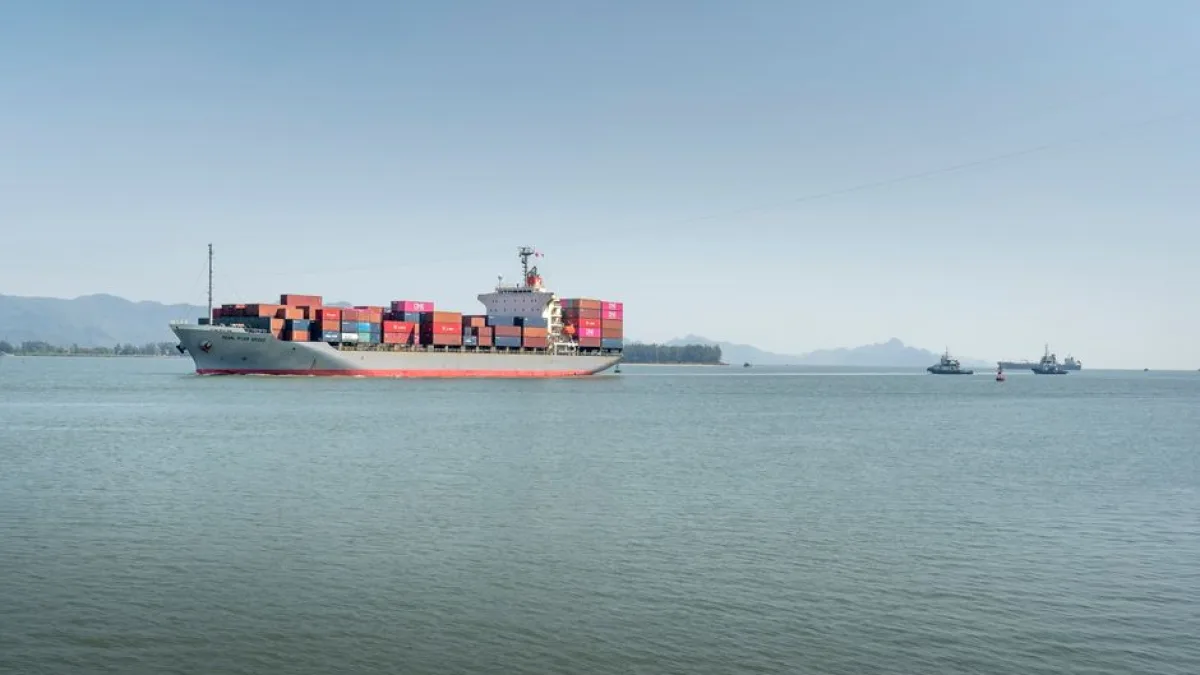
Staying ahead in customs compliance is vital for any freight forwarder aiming to achieve sustainable growth in the global market. By integrating digital tools, mastering classification data, and fostering a proactive culture of risk management, you can transform compliance from a burden into a competitive advantage. Prioritize these strategies today to streamline your operations and deliver consistent excellence to every international client.