Mastering Customs Compliance: A Guide for Freight Forwarders
Monday, October 26 2026
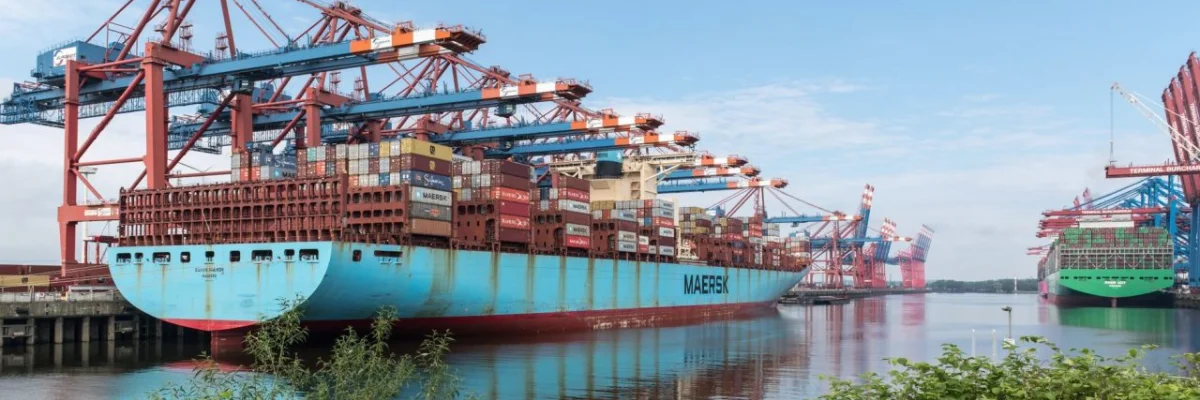
Navigating the complex landscape of global trade requires freight forwarders to stay ahead of evolving customs regulations and strict compliance mandates. As international supply chains grow increasingly digital, the margin for error in documentation and tariff classification continues to shrink. Professionals must balance the speed of modern logistics with the necessity of meticulous accuracy to avoid costly delays or severe penalties. By adopting robust digital systems and prioritizing proactive classification strategies, logistics providers can turn regulatory adherence into a powerful competitive advantage that enhances trust with clients while ensuring that goods move seamlessly across borders without any unexpected interruptions.
Automating Tariff Classification

Automated classification tools help forwarders mitigate the risks associated with manual data entry and incorrect HS code assignment. By integrating sophisticated software solutions, companies can ensure that every shipment receives the correct classification, significantly reducing the probability of audits and fines.
- Improved Data Accuracy: Automated systems utilize deep databases to match products with precise HS codes, minimizing human error and ensuring that your documentation meets all international regulatory standards consistently.
- Reduced Manual Effort: Shifting away from manual classification frees your team to focus on high-level strategy instead of repetitive tasks, allowing for a more efficient and scalable business model.
- Real-time Code Updates: Modern software platforms automatically sync with global customs databases to provide the most current tariff information, preventing outdated codes from impacting your customs clearance timelines.
- Standardized Regulatory Compliance: Consistent application of classification rules across your entire organization ensures that all departments follow the same procedures, creating a unified approach to global trade documentation.
Adopting automated classification is no longer a luxury for freight forwarders but a fundamental necessity in today's fast-paced shipping environment. These digital tools provide the reliability required to navigate intricate tariff landscapes while maintaining peak operational efficiency. Investing in smart technology protects your business from the financial strain of unexpected audits and helps foster long-term partnerships through consistent, error-free documentation delivery for every shipment.
Managing Electronic Documentation

The transition toward paperless customs processing has transformed how forwarders manage shipment data. Digital portals allow for the instantaneous exchange of information, ensuring that customs authorities receive all necessary documentation well before cargo arrival at the port of entry.
- Instant Document Transfer: Secure cloud portals facilitate the rapid sharing of digital manifests and commercial invoices, eliminating the physical delays often caused by traditional paper-based document submission processes.
- Enhanced Data Security: Moving documentation to an encrypted cloud environment protects sensitive client data from unauthorized access while maintaining a verifiable audit trail for future regulatory review.
- Centralized Information Hub: A unified platform gathers every document in one accessible location, allowing your team to collaborate effectively and respond to customs queries with remarkable speed.
- Seamless Border Integration: Digital document compliance enables direct submission to government single windows, significantly speeding up the customs release process for your clients and their cargo.
Digitizing your documentation workflow is the most effective way to improve communication between your team and customs agencies globally. By removing the reliance on physical paper, you decrease the risk of lost documents and administrative bottlenecks that cause significant shipping delays. Modern platforms allow for immediate updates, ensuring that compliance requirements are met swiftly while keeping all stakeholders informed at every single step.
Navigating Free Trade Agreements

Leveraging free trade agreements allows forwarders to optimize duty costs for their clients. Understanding the specific rules of origin is critical for determining eligibility, which requires careful documentation and rigorous tracking of every component used in the manufactured goods being shipped.
- Duty Cost Optimization: Properly identifying eligible shipments under specific trade agreements can save your clients substantial money, positioning your firm as a valuable consultant in their supply chain.
- Origin Rule Tracking: Maintaining a detailed record of component origins is essential to qualify for preferential duty rates, preventing claims denials that could lead to financial liabilities.
- Verification of Compliance: Rigorous documentation processes ensure that you can provide proof of origin if customs authorities ever challenge a claim for duty-free or reduced-rate entry.
- Competitive Market Positioning: Expertise in regional trade agreements differentiates your service offering, helping you secure and retain clients who rely on your deep knowledge of international trade.
Successfully navigating the complexities of trade agreements requires constant vigilance and detailed recordkeeping. By mastering these rules, you provide significant financial value to your clients while ensuring that all claims for reduced duties are fully compliant with current international law. This proactive approach helps your clients reduce their landed costs and fosters a relationship built on deep logistical expertise and trust.
Preparing for Customs Audits

Proactive preparation for customs audits involves maintaining a transparent and organized digital trail for all shipments. Freight forwarders must ensure that every declaration is backed by supporting documents that are easily retrievable during an unexpected investigation by customs enforcement authorities.
- Audit Trail Management: Keeping a comprehensive history of every shipment, including correspondence and supporting documents, allows you to respond to inquiries efficiently and demonstrate your commitment to compliance.
- Internal Compliance Reviews: Regularly scheduling self-audits of your documentation processes helps identify potential risks before they attract the attention of government agencies, allowing you to resolve issues internally.
- Expert Staff Training: Investing in continuous education for your employees ensures that your team remains aware of the latest customs regulations and audit requirements in key markets.
- Strategic Risk Mitigation: Developing a structured framework for data retention and retrieval minimizes the stress of external audits and provides evidence of your firm's professional integrity.
A well-prepared forwarder views audits as a routine part of doing business rather than a disruptive threat. By implementing structured digital storage and regular internal reviews, you ensure that your operations remain resilient against scrutiny. Maintaining clear, accessible records demonstrates that your company values compliance, which builds enduring confidence with both customs authorities and the clients you serve daily.
Conclusion
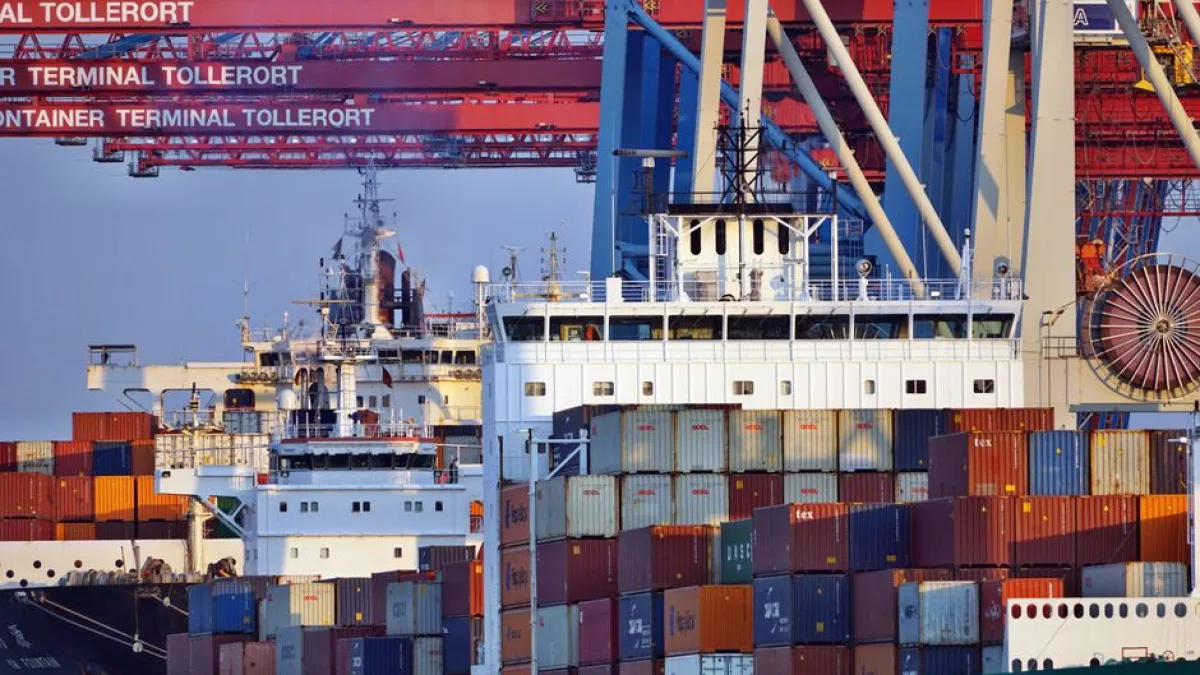
Success in modern freight forwarding relies on the seamless integration of technology and regulatory expertise. By automating classification, digitizing your workflow, and maintaining impeccable audit trails, you safeguard your business against potential risks. Prioritize these compliance strategies today to elevate your service quality and ensure that your operations remain efficient, scalable, and fully prepared for the future of global international trade.