Mastering Customs Compliance in Modern Freight Forwarding
Wednesday, July 22 2026
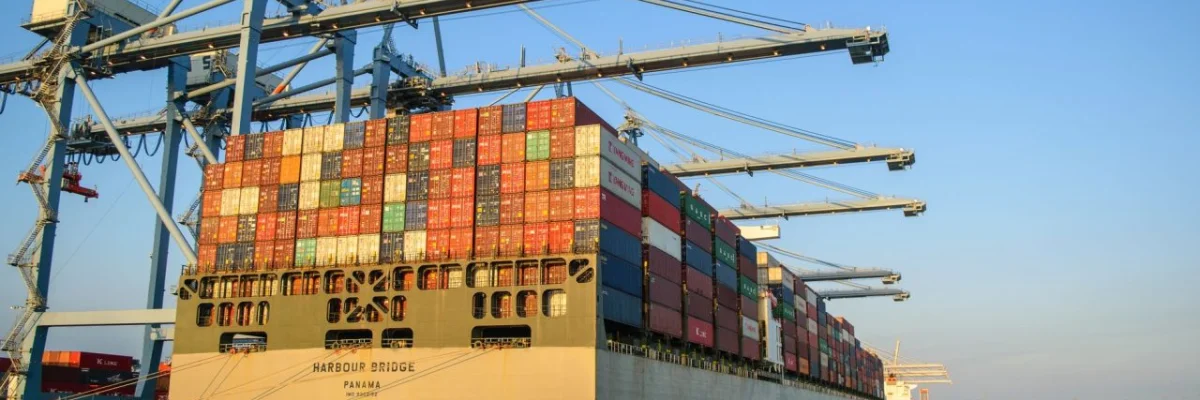
Navigating the complex landscape of international trade requires freight forwarders to maintain rigorous standards of customs compliance. As global regulations evolve and authorities increase scrutiny on cross border shipments, the risk of delays, fines, and reputational damage grows significantly. Modern logistics professionals must move beyond manual entry methods and embrace digital solutions that ensure data accuracy and regulatory alignment. By standardizing documentation workflows and staying informed about changing tariff codes, forwarders can protect their operations while providing seamless service to clients. This approach transforms compliance from a burdensome administrative hurdle into a strategic advantage that defines your professional reputation in the competitive shipping industry.
Understanding Regulatory Compliance Basics

Regulatory compliance acts as the foundation of your logistics operations. Maintaining a clear understanding of international trade laws and local customs requirements helps forwarders avoid common errors that lead to cargo detention, expensive penalties, or major disruptions within the global supply chain.
- Tariff Classification Accuracy: Assigning correct Harmonized System codes is critical for determining duty rates. Accurate classification prevents overpayment or underpayment of taxes and avoids potential audits from customs agencies.
- Documentation Integrity Standards: Providing complete and legible shipping documents is essential for clearance. Every bill of lading, invoice, and packing list must contain consistent information to satisfy international standards.
- Export Control Regulations: Adhering to dual use technology restrictions protects your company from legal risks. Identifying restricted entities or sensitive commodities before shipment ensures compliance with global safety mandates.
- Digital Record Keeping: Maintaining an organized audit trail is vital for long term success. Digitizing your compliance files allows for rapid retrieval during inspections and supports transparent business practices.
- Sanctions Screening Procedures: Running parties against updated denied persons lists is a daily necessity. Proactive screening prevents prohibited entities from participating in your network and maintains your corporate integrity.
Achieving excellence in compliance begins with a commitment to precision throughout every stage of the shipment lifecycle. By integrating automated checks and validation protocols, you can significantly reduce the likelihood of human error during documentation filing. Establishing a robust internal review process ensures that every detail aligns with current government expectations, ultimately facilitating a smoother and more reliable transit experience for your international customers.
Leveraging Technology for Clearance

Software platforms revolutionize how forwarders manage customs entries and declarations. By utilizing cloud based systems, teams can automate data input and achieve real time visibility into the status of shipments, effectively minimizing manual data entry errors and increasing throughput.
- Automated Data Validation: Digital tools perform instant checks against customs databases to ensure accuracy. This automation flags inconsistencies before they become compliance issues, saving hours of manual reconciliation work.
- Cloud Based Collaboration: Centralizing documentation in a secure cloud environment enhances communication across teams. All stakeholders access the same verified data, preventing discrepancies between origin and destination offices.
- Real Time Status Tracking: Monitoring clearance updates directly within your software improves communication. Clients receive accurate information immediately, which increases trust and allows for better proactive supply chain planning.
- Integrated Tariff Databases: Accessing live HS code libraries ensures you are always using updated classification data. Integrated systems provide immediate rate calculation capabilities to improve financial accuracy during billing.
- Seamless Document Archiving: Storing digital copies of all customs entries satisfies record retention requirements effortlessly. Automated backup systems ensure that your essential compliance data remains safe and accessible for years.
Modern technology acts as a force multiplier for logistics teams striving for accuracy. When your software handles the repetitive aspects of data entry, your staff can focus on managing exceptions and building stronger client relationships. Investing in the right digital infrastructure is no longer an optional upgrade but a requirement for forwarders who want to remain relevant and compliant in modern global markets.
Managing Audit and Risk Assessment

Regular audits are necessary to identify vulnerabilities in your operational processes. By performing consistent internal risk assessments, forwarders can discover potential compliance gaps, implement corrective actions, and strengthen their internal controls against future regulatory investigations or unexpected shipping delays.
- Periodic Internal Audits: Conducting routine reviews of past entries reveals patterns of recurring errors. This process allows management to refine operational procedures and train staff on specific improvement areas.
- Risk Profile Evaluation: Understanding high risk lanes and cargo types helps prioritize your resources. Focusing extra attention on complex regions or sensitive commodities minimizes the probability of inspection failures.
- Vendor Compliance Verification: Ensuring that your third party partners also maintain high compliance standards is vital. Your reputation is linked to their actions, making vendor audits a standard part of business.
- Staff Training Programs: Educating team members on updated customs regulations reduces the risk of non compliance. Knowledgeable employees are your first line of defense against costly mistakes and documentation gaps.
- Contingency Planning Strategies: Developing clear protocols for customs holds prevents chaos during potential shipment interruptions. Preparedness plans ensure your team knows how to respond effectively when problems arise.
Proactive risk management turns potential liabilities into stable operational processes that support growth. By maintaining a culture of accountability and continuous learning, your firm remains prepared for the evolving demands of international authorities. Consistent attention to detail during the assessment phase keeps your organization ahead of regulatory hurdles and provides the stability needed to scale your operations without facing unforeseen legal complications.
Building Strong Customs Partnerships
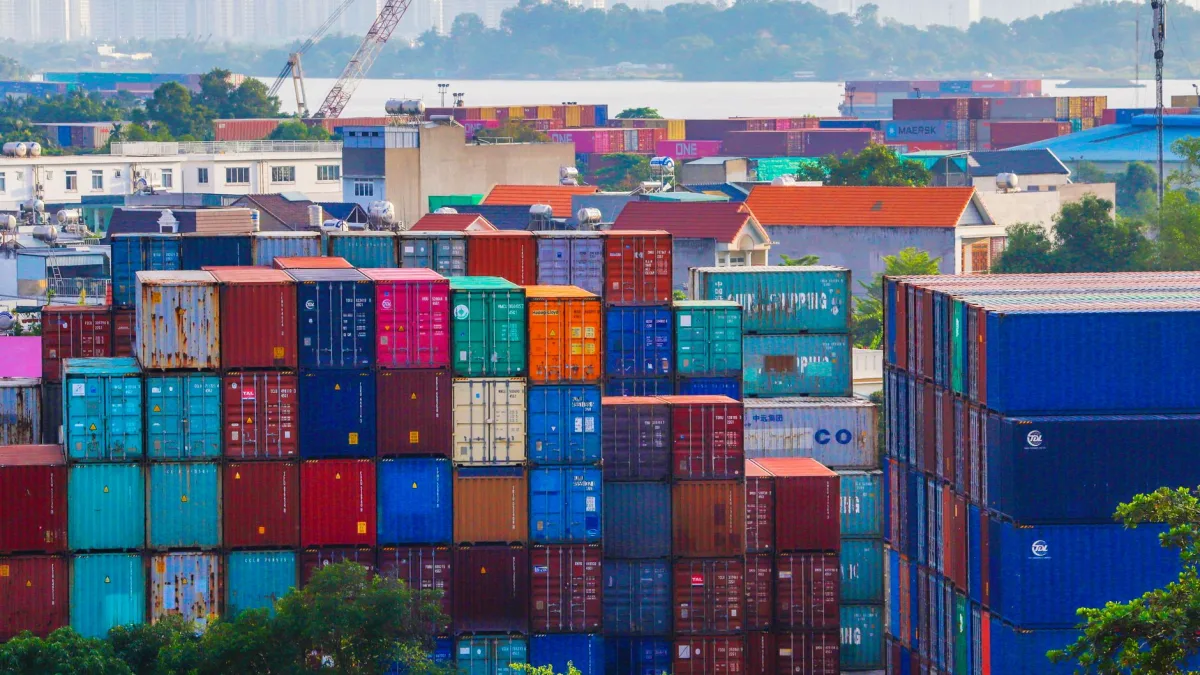
Cultivating relationships with customs authorities and licensed brokers improves your overall compliance posture. Working closely with industry experts and regulatory agents allows forwarders to gain insights into regional trends, ensuring that all logistics activities remain aligned with shifting international trade policies.
- Licensed Broker Collaboration: Partnering with reliable brokers provides expertise in complex regional entry processes. This cooperation ensures that local regulations are handled by professionals who understand specific market nuances.
- Direct Authority Engagement: Maintaining professional dialogue with customs officials helps clarify ambiguous trade requirements. Clear communication paths can speed up issue resolution and improve your firm's standing with agencies.
- Industry Association Membership: Joining trade groups offers early access to regulatory news and advocacy resources. Networking with peers keeps you informed about common challenges and effective industry wide solutions.
- Feedback Loop Integration: Implementing systems to track customs feedback improves future document accuracy significantly. Treating clearance reports as learning tools helps your team adapt to evolving requirements in real time.
- Service Level Agreements: Setting clear expectations with partners ensures that compliance remains a shared priority. Formal agreements define responsibilities and guarantee that all parties perform at the highest levels.
Strong partnerships are essential for navigating the complexities of global trade successfully. When you collaborate with experienced brokers and maintain open communication with authorities, you create a safety net for your operations. This collective knowledge empowers your team to anticipate shifts in the trade environment and maintain steady, compliant progress. Focus on building these connections today to ensure long term success in customs.
Conclusion
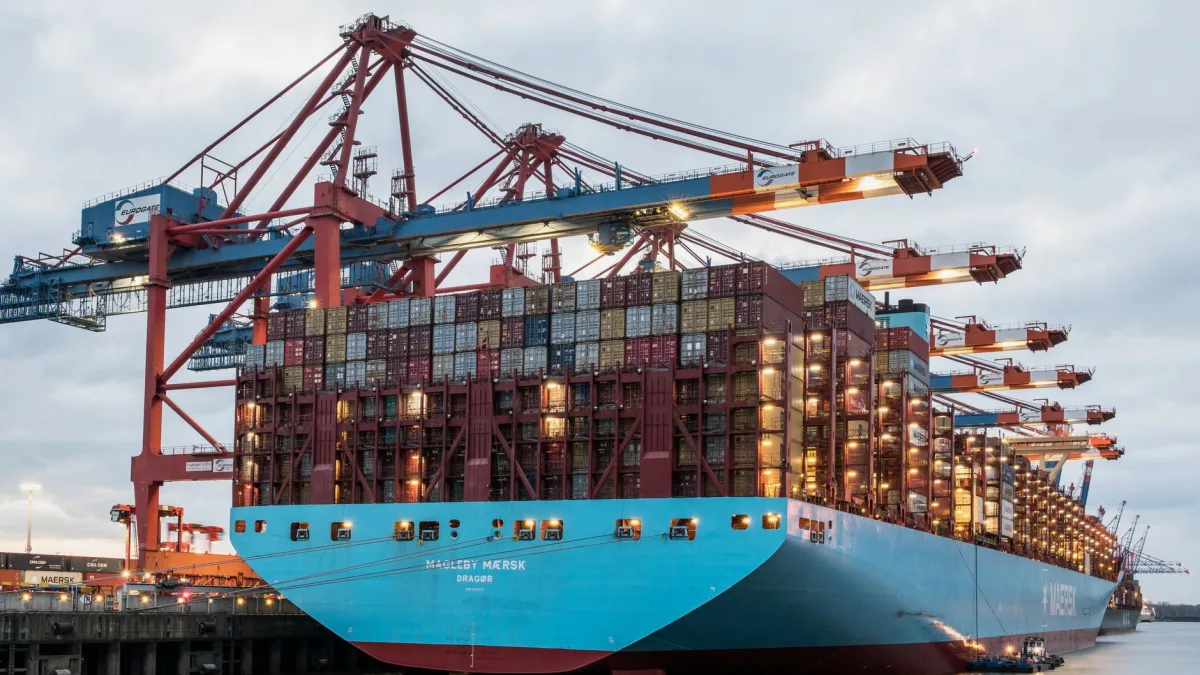
Maintaining high standards of customs compliance requires constant attention, updated technology, and strong professional partnerships. By focusing on data accuracy, internal audits, and staff training, you can secure your logistics operations against the risks of global trade. Utilize the tools available at MakeCargo to streamline your workflows and keep your shipments moving smoothly. Start optimizing your compliance processes for greater efficiency today.