Mastering Customs Compliance in Modern Freight Forwarding
Thursday, July 23 2026

Navigating the complex landscape of international trade requires freight forwarders to maintain rigorous standards of customs compliance. As global regulations evolve and authorities increase scrutiny on cross-border shipments, manual processes are no longer sufficient to mitigate risk. Digital transformation is now a critical necessity rather than a competitive advantage. Forwarders must leverage cloud-based platforms to ensure data accuracy, enhance transparency, and remain aligned with changing legal frameworks. This proactive approach not only prevents costly delays and financial penalties but also builds long-term trust with clients who demand reliability in their global supply chains in an increasingly volatile and regulated marketplace.
Automating Regulatory Data Entry

Automated software solutions significantly reduce human error by streamlining the capture of shipment data directly from source documents. By integrating digital workflows, freight forwarders can ensure that customs declarations are accurate and filed in accordance with current international trade laws.
- Data accuracy validation: Intelligent software platforms automatically verify shipment data against established international regulatory databases to identify inconsistencies before any customs documentation is submitted to local government authorities for final clearance.
- Reduced manual input: Moving away from repetitive manual typing minimizes the risk of typographical errors that often trigger audits, costly clearance delays, or significant administrative fines from customs agencies.
- Real time synchronization: Systems that sync data in real time ensure that all stakeholders are working from the same information, preventing version control issues during complex cross-border logistics operations.
- Compliance audit trails: Generating automated logs provides a comprehensive history of every shipment, which proves invaluable during official audits and verifies that internal compliance procedures were followed correctly.
By automating the data entry process, forwarders can shift their focus toward higher value tasks while maintaining strict adherence to regulatory standards. This transition to digital platforms eliminates the bottleneck of manual verification, allowing teams to handle higher volumes of freight without increasing staff overhead. Consistent performance in data handling ultimately solidifies your reputation as a reliable and compliant partner in global logistics management.
Managing Evolving Tariff Regulations

Keeping pace with shifting tariff schedules and trade agreements is a constant challenge for global forwarders. Modern software provides the agility required to update classification data instantly, ensuring that duties and taxes are calculated correctly for every unique shipment.
- Automated tariff classification: Smart logic tools help operators correctly assign HS codes to products, which is essential for determining the correct duty rates and avoiding potential classification disputes with authorities.
- Dynamic duty calculations: Platforms integrated with live trade databases allow for instantaneous updates to duty rates, ensuring that client invoices always reflect the most current financial obligations for cargo.
- Trade agreement utilization: Software modules can identify preferential trade agreements based on shipment origin and destination, helping your clients maximize cost savings while remaining within legal compliance frameworks.
- Instant regulatory alerts: Receiving automated notifications about changes in trade policy allows your team to adjust logistics planning proactively rather than reacting to sudden changes in import requirements.
Adaptability is the cornerstone of success when handling diverse global trade regulations. When you employ robust software to track tariff changes, you provide your clients with financial certainty and regulatory security. Proactive monitoring prevents unpleasant surprises at the port of entry and ensures that your supply chain operations continue to move smoothly regardless of shifts in global trade policy or economic conditions.
Enhancing Supply Chain Transparency
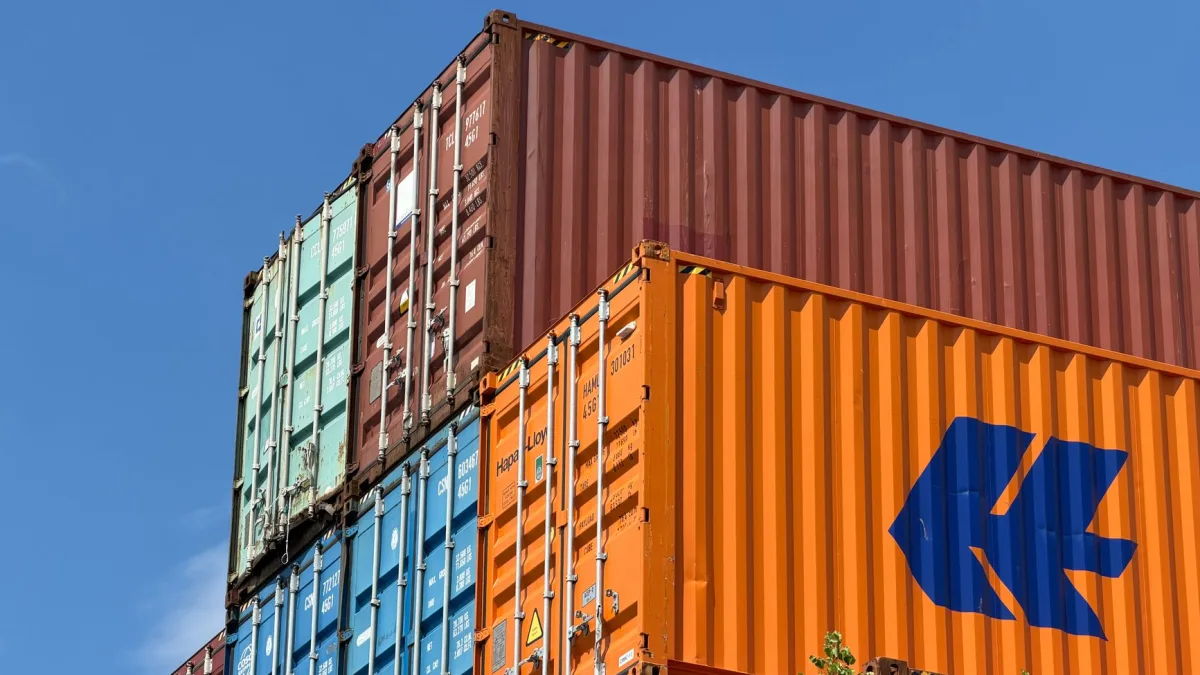
Visibility is the primary driver of effective customs compliance and partner accountability. Through comprehensive cloud platforms, forwarders provide clients with granular insight into the movement of goods and the status of necessary documentation at every stage of the transit process.
- End to end tracking: Providing clients with live status updates creates a transparent environment where everyone understands where cargo is located and which documentation requirements are currently being addressed.
- Unified communication portal: Centralizing all customs related correspondence within a single software platform ensures that critical information is never lost in email chains or misfiled by different departments.
- Document access controls: Securely managing who can view or modify sensitive trade documentation protects client data and ensures that only authorized personnel handle specific compliance related tasks or information.
- Real time status updates: Automatic notifications alert your team immediately if a shipment faces a hold or a document query at customs, allowing for swift resolution before problems escalate.
Transparency strengthens the partnership between freight forwarders and their clients. By offering a clear window into the customs clearance process, you eliminate anxiety and foster a relationship based on mutual trust. Advanced software tools enable this level of openness, making it easier to identify potential bottlenecks early and demonstrate the proactive value your firm brings to the entire international supply chain.
Mitigating Risks with Integrated Compliance
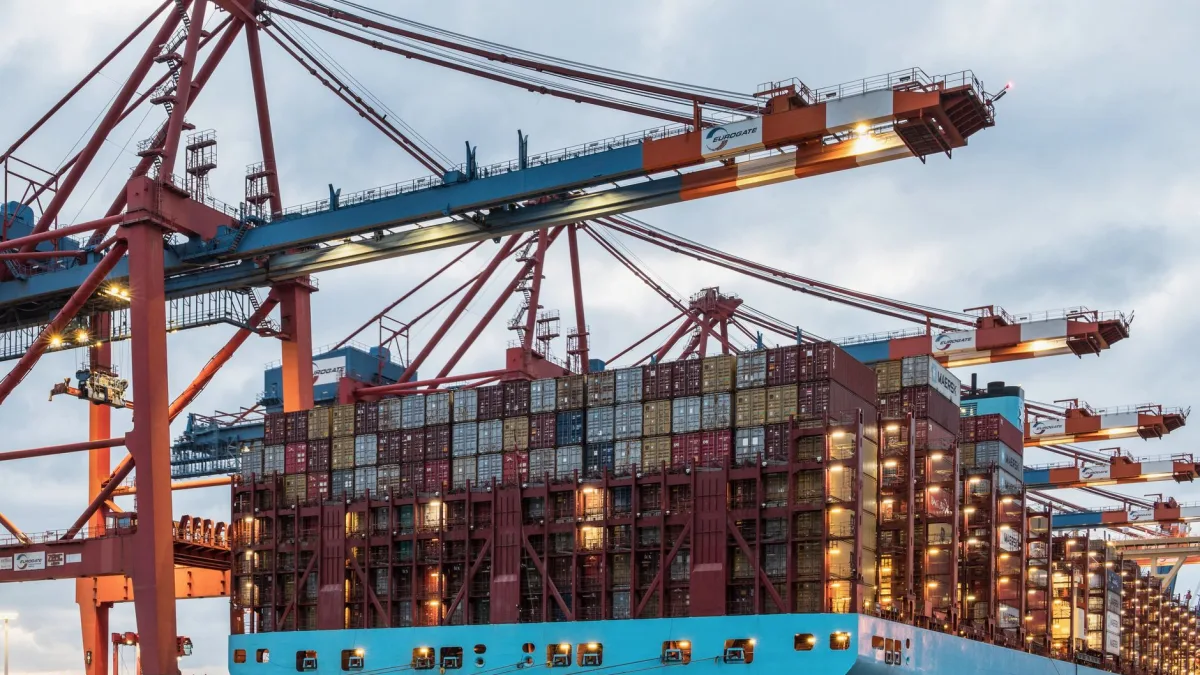
Integrated compliance management goes beyond simple data storage by actively monitoring for risks throughout the lifecycle of a shipment. Advanced software identifies potential security gaps and ensures that all international standards are met to prevent cargo from being flagged or delayed.
- Proactive risk assessment: The software scans shipment details for common flags that typically trigger customs inspections, allowing your team to rectify issues before the cargo reaches the border terminal.
- Global security standards: Ensuring that all shipments meet requirements like AEO or CTPAT certification becomes much simpler when digital tools track compliance documentation and security protocols throughout transit.
- Sanction list screening: Automated systems check all parties involved in a shipment against restricted or denied party lists to ensure you are not inadvertently doing business with sanctioned entities.
- Secure document archiving: Keeping all trade documentation in a centralized, secure cloud environment ensures that you are always ready for retroactive audits and long term record keeping obligations.
A robust risk management strategy is essential for protecting your business and your clients from the severe consequences of noncompliance. By leveraging software that integrates security checks into the core workflow, you create a safer and more predictable logistics operation. Investing in these digital safeguards protects your operational continuity and confirms your commitment to excellence in the highly regulated field of international customs.
Conclusion

Maintaining high levels of customs compliance requires the right blend of expert knowledge and powerful digital tools. By prioritizing automation, transparency, and risk mitigation, freight forwarders can overcome the complexities of modern global trade. Implement these strategies today to safeguard your reputation and improve operational efficiency across your logistics network. Reach out to MakeCargo to discover how our platform can support your compliance journey.