Mastering Customs Compliance in Modern Freight Forwarding
Friday, July 24 2026
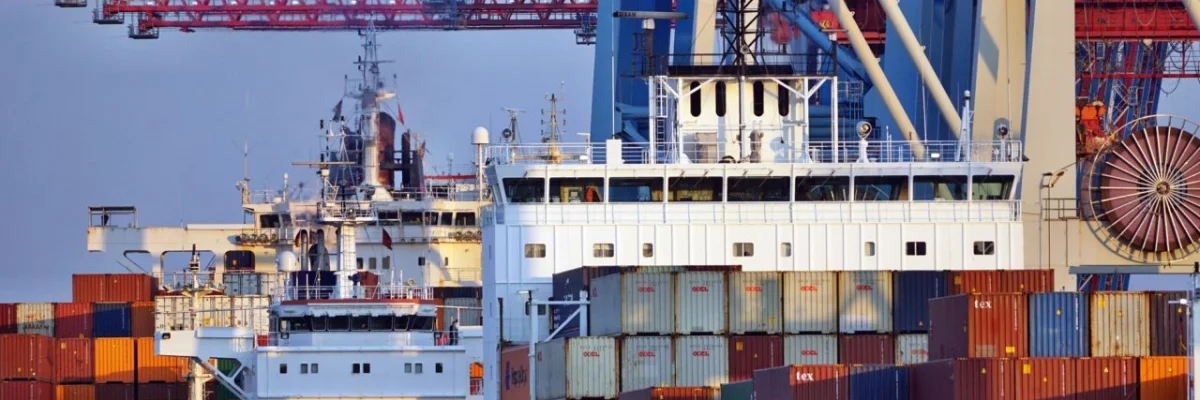
Navigating the complex landscape of global customs regulations remains one of the most significant challenges for modern freight forwarders. As international trade policies evolve rapidly, the pressure to maintain absolute compliance while ensuring fast cargo clearance increases. Any discrepancy in documentation or misclassification of goods can lead to costly delays, heavy fines, or even the seizure of shipments by border authorities. Leveraging cloud-based technology and integrated compliance solutions allows logistics providers to automate risk detection, streamline communication with customs brokers, and guarantee that every shipment adheres to the latest legal standards, ultimately protecting both your firm and your clients from avoidable trade disruptions.
The Critical Role of Documentation

Precise documentation acts as the foundation for smooth customs processing and cross border trade efficiency. By digitizing your commercial invoices, packing lists, and certificates of origin, you minimize manual entry errors that typically lead to inspection holds at the port.
- Accurate Data Entry: Ensuring that all item descriptions, values, and origin codes are verified reduces the likelihood of manual input errors that trigger secondary reviews by customs agents.
- Digital Document Storage: Keeping all records in a centralized cloud platform allows for instant retrieval during audits, proving your commitment to transparency and regulatory compliance at every stage.
- Automated Validation Rules: Modern freight software platforms use validation logic to flag missing data fields before a shipment is submitted, preventing incomplete files from stalling your supply chain.
- Standardized Filing Processes: Establishing uniform templates for essential shipping documents guarantees that every team member follows the same legal requirements, creating consistency across all your international freight operations.
- Electronic Data Exchange: Utilizing direct integration with customs portals streamlines the submission process, resulting in faster approval times and significantly reduced physical paperwork requirements for your logistics firm.
Failing to maintain meticulous records exposes your logistics firm to significant regulatory scrutiny and potential financial penalties. By adopting automated systems that mandate complete data before submission, you safeguard your operational integrity. These digital tools ensure that every required piece of information is validated, reducing the administrative burden on your team while providing your clients with the reliability they demand in a competitive global market.
Understanding Harmonized System Codes
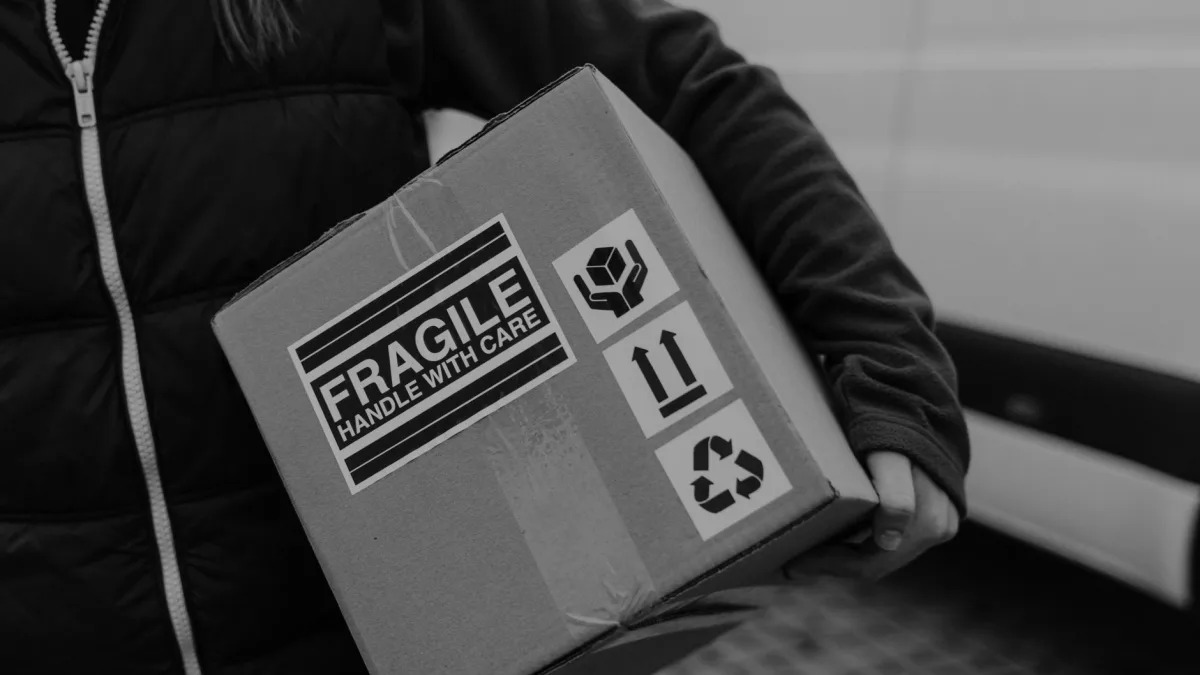
Correctly identifying HS codes is a non-negotiable requirement for accurate duty assessment and regulatory adherence. Incorrect classification is the most common cause of customs audits, making it vital to use updated databases to verify every product code you process.
- Database Synchronization Tools: Reliable freight software integrates real-time tariff databases, ensuring your team always uses the current HS codes for international shipments to avoid misclassification or tax discrepancies.
- Complexity Of Tariffs: Understanding the nuances between similar product categories prevents tax overpayments or underpayments, shielding your organization from audit risks and ensuring fair treatment for your global clients.
- Audit Trail Creation: Maintaining a history of why specific codes were selected provides clear justification during regulatory inspections, demonstrating that your firm exercises due diligence in all classification tasks.
- Automated Tariff Updates: Global trade regulations change often, so having software that automatically pushes tariff updates ensures you remain compliant without manually checking government databases every single week.
- Training And Expertise: Investing in team training for classification best practices complements your technical tools, creating a hybrid approach that minimizes errors and optimizes the entire shipping workflow performance.
Precision in classification is the backbone of successful customs management. When freight forwarders prioritize accurate HS code usage, they avoid the pitfalls of audits and costly fines. By relying on smart software to handle the heavy lifting of database updates, your team can focus on complex tasks that require human judgment. This proactive strategy turns customs compliance into a genuine competitive advantage for your business.
Risk Mitigation and Compliance Audits
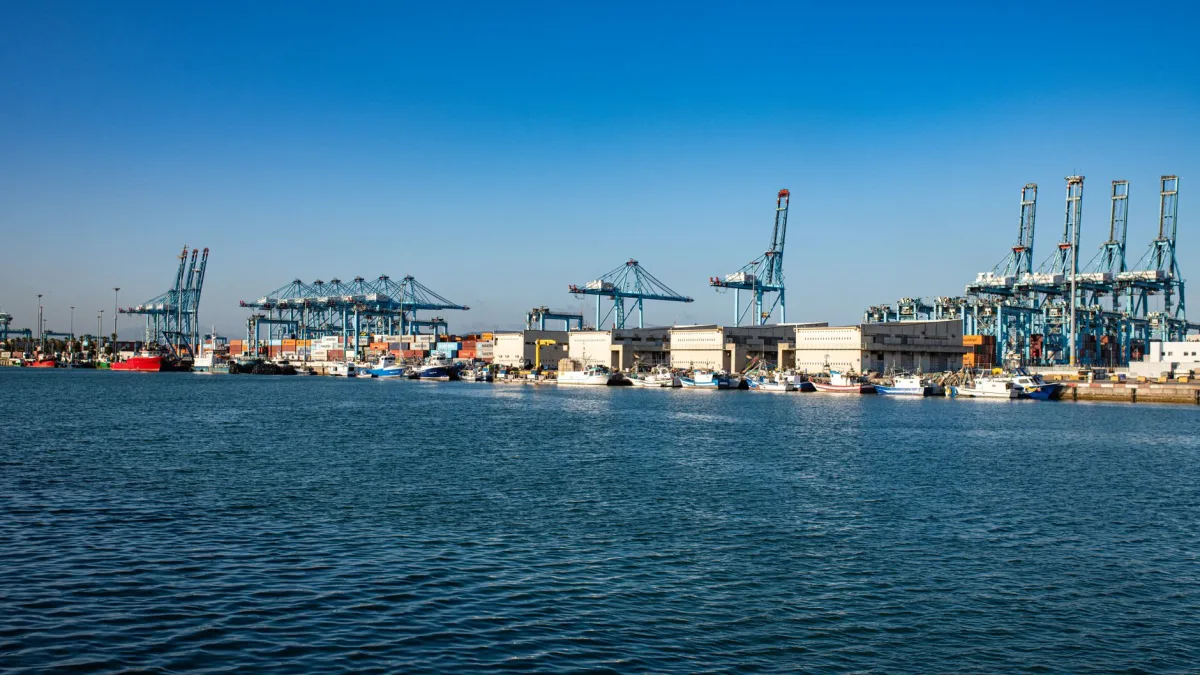
Proactive risk management is essential for freight forwarders who wish to avoid the negative consequences of non-compliance. Establishing internal audit cycles allows you to identify potential vulnerabilities in your processes before they become major issues with customs authorities.
- Proactive Risk Profiling: Analyzing your shipment history helps identify high-risk routes or products, allowing your team to implement extra oversight measures for those specific operations to ensure total compliance.
- Regular Internal Audits: Conducting periodic reviews of your documentation and filing habits allows for the early detection of systemic failures, keeping your operations aligned with the current legal standards.
- Regulatory Change Alerts: Subscribing to automated notification services ensures your team is immediately aware of sudden policy changes, allowing for rapid operational adjustments before shipments are affected by updates.
- Vendor Compliance Standards: Vetting all third party carriers and agents for their compliance records protects your reputation, as your company is ultimately responsible for the actions of its partners.
- Incident Response Planning: Developing a clear protocol for handling customs inquiries or holds minimizes downtime during potential disputes, providing your staff with the confidence to handle any regulatory challenge.
Effective risk mitigation requires a culture of continuous improvement and vigilance across your entire freight forwarding organization. By regularly assessing your workflows and staying informed about changing trade laws, you protect your clients from unforeseen delays. This level of dedication to compliance not only prevents fines but also builds long-term trust with regulators, positioning your firm as a reliable partner in the logistics sector.
Leveraging Cloud Technology for Efficiency

Cloud platforms have revolutionized how freight forwarders handle compliance, providing a unified space for communication and data management. Moving away from legacy systems into the cloud enables real-time collaboration between agents, shippers, and customs authorities from any location.
- Centralized Workflow Visibility: Providing all stakeholders with a single source of truth eliminates the confusion of email chains, ensuring everyone sees the same accurate information during the customs process.
- Seamless Broker Integration: Direct software connections to local customs brokers reduce the time required to relay information, significantly accelerating the clearance of your cargo at international border crossings.
- Real Time Status Tracking: Monitoring shipment progress through a live dashboard allows for proactive problem-solving, as your team can see customs delays as they happen instead of after.
- Scalability Of Operations: Cloud tools allow you to expand your service offerings into new markets without needing a complex infrastructure overhaul, keeping your compliance capabilities consistent regardless of size.
- Enhanced Data Security: Storing sensitive client information in a secure cloud environment protects against data breaches, which is an increasingly vital component of modern digital compliance and security.
Embracing cloud technology is no longer optional for freight forwarders who want to remain relevant. By centralizing your operations, you eliminate silos that often lead to data discrepancies and missed compliance deadlines. This digital shift empowers your team to work faster and with greater accuracy, allowing you to provide a superior service experience while maintaining the highest possible standards of customs regulatory compliance.
Conclusion
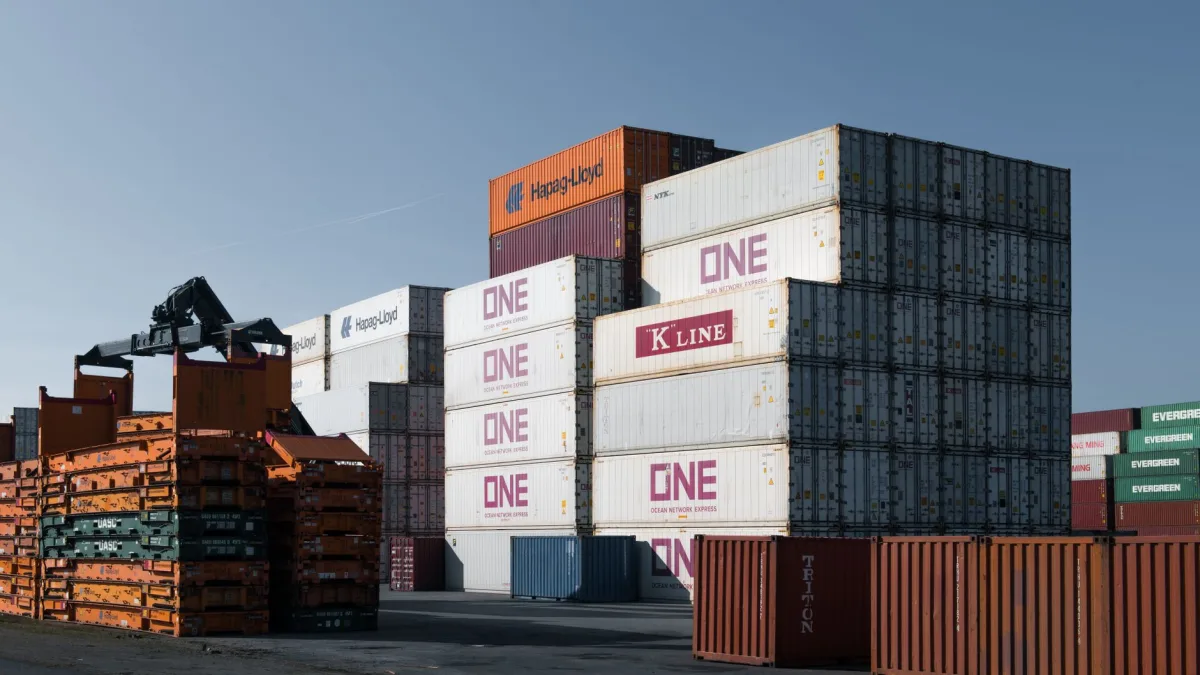
Maintaining customs compliance is a continuous process that demands the right mix of human expertise and advanced technology. By prioritizing accurate documentation, precise classification, and proactive risk management, your freight forwarding business can navigate complex global trade environments with confidence. Embracing cloud-based solutions ensures that your operations remain efficient, compliant, and scalable, ultimately fostering stronger client relationships and long-term success in the competitive logistics industry.