Mastering Customs Compliance: A Freight Forwarders Guide
Monday, July 27 2026
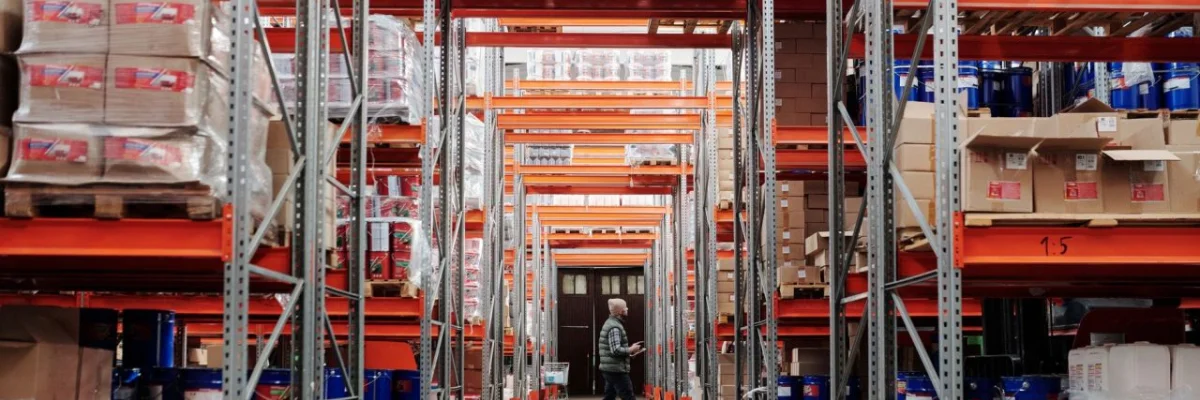
Navigating the intricate landscape of global trade requires freight forwarders to maintain rigorous customs compliance standards. As regulatory frameworks shift and digital mandates evolve, the margin for error narrows significantly for logistics companies managing high volumes of cross-border freight. Failure to adhere to specific local and international trade laws can result in costly cargo delays, heavy financial penalties, and a damaged reputation among your client base. To remain competitive, modern forwarders must embrace automated solutions and proactive communication strategies to ensure that every shipment sails through customs checkpoints with total transparency and full documentation accuracy every time.
Digital Documentation Precision

Modern customs compliance relies heavily on the accuracy of digital documentation. By transitioning away from manual entry, freight forwarders can minimize human error, reduce processing times, and ensure that every entry complies with the latest international trade regulations and border requirements.
- Automated Data Validation: Software platforms allow users to check data against global databases to ensure accuracy before submission, preventing costly discrepancies that often trigger manual customs inspections.
- Standardized Electronic Filing: Utilizing integrated systems ensures that documentation adheres to regional filing standards, enabling faster communication with customs authorities and reducing the risk of administrative rejection.
- Real-time Document Archiving: Maintaining a cloud-based repository of all shipment records ensures that auditors have immediate access to necessary proof of compliance during spot checks or audits.
- Error Detection Protocols: Advanced algorithms flag missing or incorrect HS codes in real-time, providing forwarders with the opportunity to correct errors before the shipment reaches the border.
- Integrated Customs Portals: Direct connections to national customs systems facilitate seamless data exchange, which significantly shortens the clearance window and improves overall supply chain velocity for your customers.
Transitioning to digital platforms is no longer optional for firms aiming to scale their operations globally. By investing in integrated document management, you empower your team to handle complex customs requirements without the burden of excessive manual labor. This strategic shift creates a scalable foundation for your business, allowing you to focus on growth while maintaining consistent compliance across all your active trade routes.
Managing Classification Risks
Correct tariff classification is the backbone of customs compliance. Forwarders must apply rigorous oversight to HS code assignment, as misclassifying goods leads to incorrect duty payments, retroactive audits, and severe regulatory scrutiny from local authorities during international transit.
- Automated Classification Engines: Advanced software tools suggest accurate HS codes based on product descriptions, significantly reducing the likelihood of manual misclassification errors during the initial booking process.
- Audit Trail Visibility: Maintaining a clear history of how and why specific codes were applied creates a robust defense during potential government audits or regulatory trade inquiries.
- Periodic Code Updates: Global tariff schedules change frequently, so automated systems keep your data synchronized with the latest international updates to prevent outdated classification risks today.
- Consistent Classification Logic: Standardizing how your team handles product descriptions ensures that similar shipments receive consistent treatment, which helps maintain compliance stability across your entire global network.
- Expert Verification Workflows: Implementing secondary approval steps for high-value or restricted items provides an essential buffer against classification mistakes that could otherwise lead to major financial losses.
Proper classification is a foundational element that protects both your firm and your clients from unexpected liabilities. By standardizing these internal workflows and using technology to support your staff, you create a culture of accuracy. This proactive approach to HS code management not only mitigates risk but also enhances your professional reputation as a reliable partner in the complex global logistics arena.
Strategic Brokerage Partnerships

Building strong relationships with licensed customs brokers is essential for navigating niche regulatory landscapes. A reliable partner acts as a vital extension of your team, providing the local expertise needed to handle complex regional clearance procedures efficiently.
- Local Regulatory Expertise: Partnering with brokers who understand specific country laws helps you navigate tricky administrative hurdles that might otherwise stall your client shipments for several weeks.
- Seamless Data Integration: Modern platforms enable forwarders to share shipment data directly with brokers, ensuring that information remains consistent throughout the entire customs clearance lifecycle process today.
- Proactive Problem Solving: Experienced brokers can alert you to upcoming regulatory changes in their region, giving you the lead time necessary to inform clients and adjust operations.
- Streamlined Communication Flows: Centralized messaging within your software prevents fragmented conversations, ensuring that all parties involved have access to the same information and status updates at once.
- Conflict Resolution Support: When issues arise at the border, having a trusted broker facilitates faster resolution, as they can represent your interests effectively with the local customs officials.
Collaborating with local experts adds a layer of depth to your service offering that is difficult to replicate alone. By integrating your brokerage partners into your digital ecosystem, you ensure that every participant is aligned on goals and requirements. This synergy reduces the friction associated with cross-border trade, ultimately delivering a smoother and more predictable experience for your logistics customers every day.
Training and Staff Empowerment

The most sophisticated software remains ineffective without a well-trained workforce. Regular compliance training ensures your staff understands the latest legal requirements and knows how to use your digital tools to keep cargo moving through ports without delay.
- Routine Compliance Workshops: Conducting quarterly training sessions keeps your team informed about the latest global trade developments, ensuring they remain prepared for new regulations as they arise.
- Software Proficiency Drills: Frequent training on the features of your freight platform ensures that employees can leverage automation tools to their full potential during busy peak seasons.
- Document Literacy Standards: Training employees to recognize common red flags in shipping documents significantly increases the likelihood of catching errors before they become major compliance issues.
- Regulatory Resource Access: Providing your team with a centralized knowledge base ensures they have instant access to guides and checklists when dealing with unfamiliar import requirements.
- Feedback Loop Mechanisms: Encouraging staff to report recurring issues creates a culture of continuous improvement, helping you refine your internal processes and software workflows over time.
Empowering your employees with knowledge and the right tools creates a resilient organization. When your team feels confident in their ability to manage complex customs tasks, productivity increases and stress levels decrease. This investment in human capital serves as a long-term strategy for operational excellence, ensuring that your firm maintains the highest standards of compliance while delivering superior logistics service consistently.
Conclusion

Achieving total customs compliance is a continuous process that demands the right balance of advanced technology and professional expertise. By digitizing your documentation, mastering tariff classification, building strategic partnerships, and investing in team training, you can transform compliance from a burden into a competitive advantage. Implement these strategies today to safeguard your operations and deliver exceptional reliability to all your freight forwarding clients.