Mastering Customs Compliance in Modern Freight Forwarding
Tuesday, July 28 2026
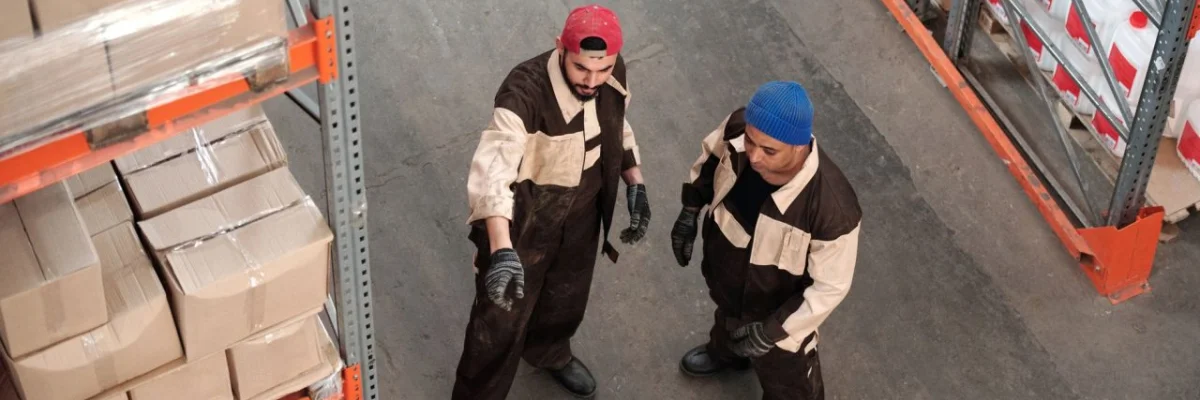
Navigating the complex landscape of global trade regulations requires precision and foresight from every modern freight forwarder. As border authorities heighten security and data requirements, the risk of delays, penalties, and cargo seizure increases for those relying on outdated manual processes. Achieving true compliance involves more than just submitting paperwork on time; it demands a proactive approach to data accuracy and seamless digital integration. By leveraging cloud-based platforms, forwarders can synchronize documentation across global supply chains. This article explores how embracing technological innovation, rigorous risk management, and regulatory awareness will secure your operations and provide a competitive edge in international logistics.
The Digital Transformation of Customs Documentation
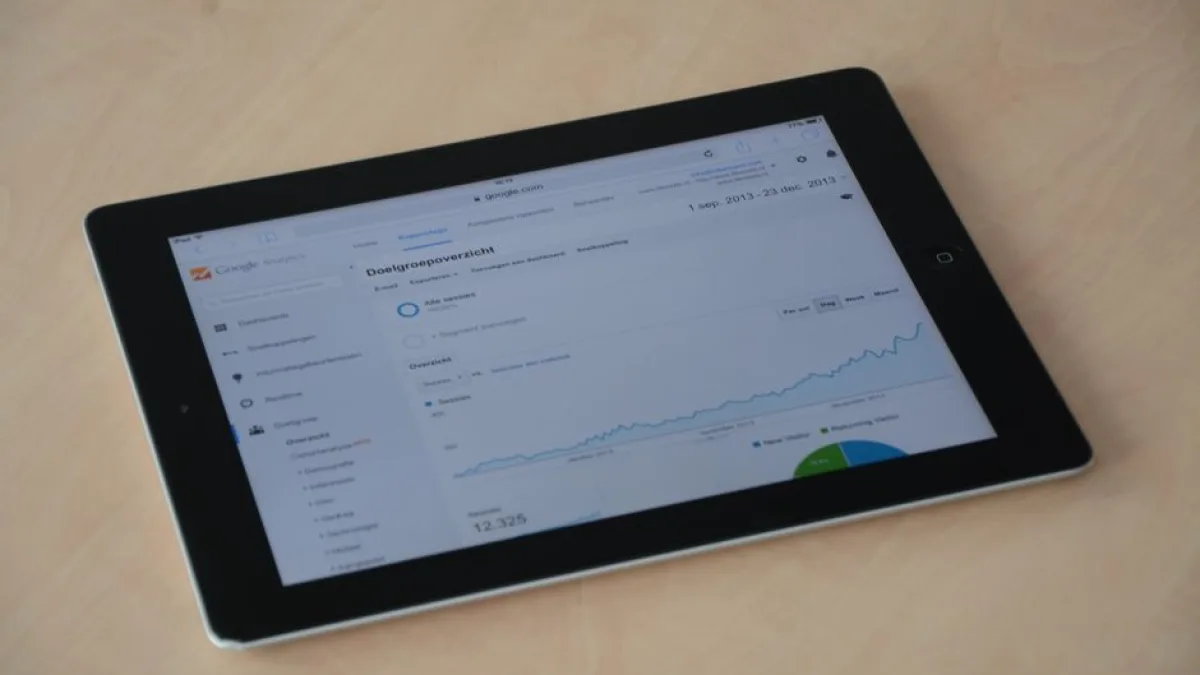
Modern digital platforms have revolutionized how documentation is processed, moving from fragmented paper files to unified, accessible cloud systems. This shift reduces human error and ensures that critical compliance data is consistent throughout the entire shipment lifecycle for every participant.
- Automated Data Validation: System algorithms automatically check for missing fields or inconsistent information before filing, ensuring that your declarations meet the high standards expected by national customs authorities worldwide.
- Centralized Document Storage: By keeping all essential manifests and invoices in a secure, cloud-based repository, teams can retrieve information instantly during audits to prove full regulatory compliance.
- Seamless API Integration: Connecting your freight software directly to port authority portals enables real-time data exchange, effectively reducing the time spent on manual entry and administrative tasks.
- Enhanced Audit Trails: Digital logs provide a comprehensive history of every change made to a customs declaration, offering full transparency for both internal oversight and external authorities.
Adopting digital tools transforms compliance from a burdensome administrative hurdle into a streamlined operational advantage. By automating routine validations and centralizing your documentation, your team can avoid the common pitfalls associated with manual data entry errors. This efficiency not only saves valuable time but also fosters deeper trust with clients who rely on your expertise to navigate the complex world of international shipping.
Strategic Risk Management and Compliance Audits
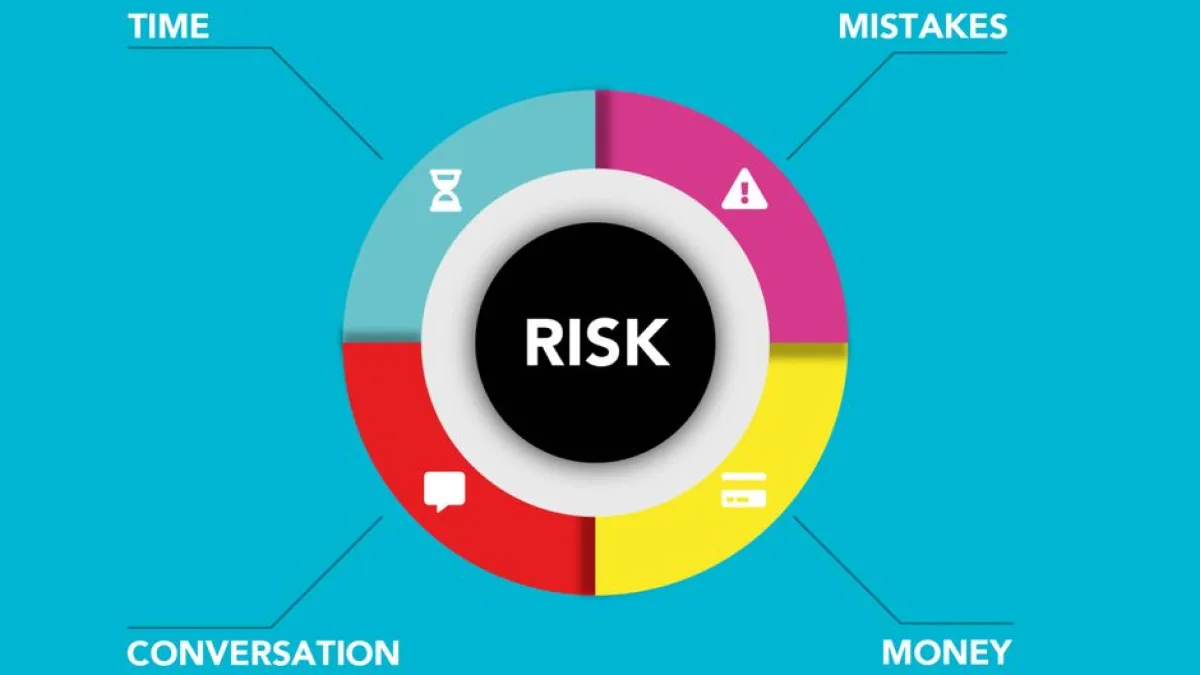
Risk management is the backbone of a successful forwarding business, protecting firms from legal repercussions and supply chain disruptions. Proactive audits allow you to identify potential vulnerabilities within your current filing processes before they result in costly government penalties.
- Proactive Compliance Audits: Periodic internal reviews help identify patterns of errors or process weaknesses, allowing teams to implement corrective actions before official government inspections occur at borders.
- Risk Mitigation Planning: Developing clear protocols for high-risk shipments helps freight forwarders manage variables such as fluctuating tariff codes and shifting international trade laws with complete confidence.
- Supply Chain Transparency: Deep visibility into supplier documentation ensures that all stakeholders comply with local regulations, preventing the accidental transport of prohibited or restricted cargo items.
- Regulatory Change Alerts: Utilizing software that updates in real time based on new government legislation ensures that your filing procedures remain compliant with evolving international mandates.
Focusing on risk management demonstrates a commitment to operational excellence that sets your agency apart from the competition. By establishing robust internal audit procedures, you build a resilient business structure that survives even the most intense regulatory scrutiny. Your clients will appreciate the added security, knowing their shipments are handled by a partner that prioritizes safety and professional integrity above all else.
Adapting to Evolving Global Trade Regulations

Global trade laws are constantly changing, making it essential for forwarders to stay informed about new mandates and regional requirements. Adapting your operational workflows to match these shifts ensures consistent service and avoids unexpected downtime at transit checkpoints.
- Dynamic Tariff Management: Automated systems allow users to update HS codes quickly, ensuring that the correct duties and taxes are always calculated accurately for every international client.
- Regional Compliance Mapping: Dedicated software modules track specific requirements for diverse regions, enabling smooth transit through various jurisdictions without facing delays caused by incomplete or incorrect paperwork.
- Partner Verification Systems: Automated screening tools check your trading partners against restricted entity lists, ensuring that your company maintains compliance with all international trade sanctions and regulations.
- Collaboration Tools: Shared platforms allow customs brokers and freight forwarders to communicate in real time, ensuring that both parties agree on classifications before submitting official government documentation.
Staying ahead of regulatory shifts requires a mindset of continuous learning and technological adaptation. When your team remains agile and responsive to the latest developments in trade law, you avoid the stagnation that plagues traditional, paper-based freight forwarders. Investing in systems that evolve alongside global requirements provides your business with the stability needed to handle even the most complex shipping scenarios successfully.
Leveraging Cloud Technology for Cross-Border Efficiency
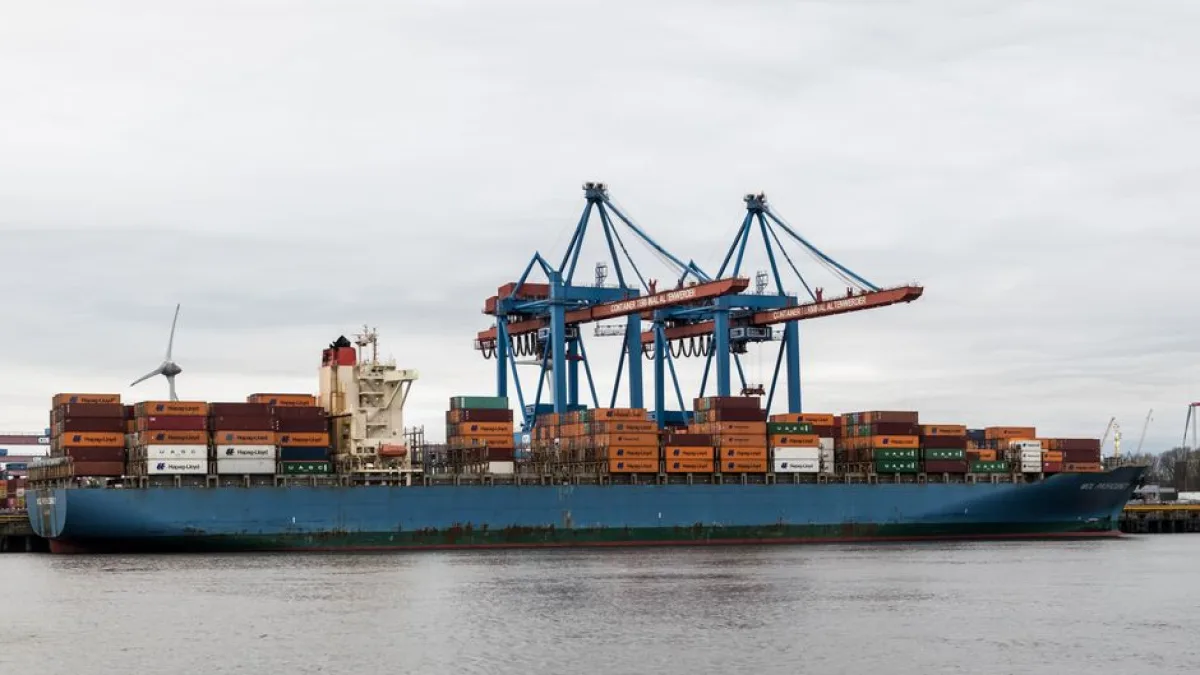
Cloud technology serves as the foundation for modern freight forwarding, enabling remote access to critical compliance data from anywhere in the world. This accessibility empowers teams to resolve issues quickly and maintain high performance standards across multiple time zones.
- Real-time Collaboration: Cloud platforms provide a single source of truth, ensuring that every member of your team has access to the most accurate and up-to-date filing information.
- Remote Compliance Monitoring: Managers can oversee customs clearance statuses from any location, allowing for immediate intervention if a shipment is flagged for inspection or requires further information.
- Standardized Filing Workflows: Standardizing processes across different office locations ensures that every declaration is filed with the same level of care, regardless of where the work originates.
- Scalable Digital Infrastructure: As your forwarding business grows, cloud-based software scales to meet increased volume, ensuring that your compliance efforts remain consistent and efficient during busy periods.
Cloud-based solutions provide the necessary scalability and accessibility to handle the demands of today's fast-paced freight environment. By breaking down the barriers between remote teams and centralizing your data, you foster a culture of speed and reliability that clients demand. Investing in the right platform transforms how you approach customs, ultimately turning a complex compliance burden into a seamless and highly profitable process.
Conclusion
Maintaining high standards of customs compliance is not merely a legal requirement; it is a fundamental pillar of professional freight forwarding. By utilizing advanced digital platforms, prioritizing risk management, and staying informed on global trade trends, you protect your reputation and your clients' bottom line. Adopt these modern practices today to streamline your operations and secure a sustainable, prosperous future for your logistics business.