Mastering Customs Compliance in Modern Freight Forwarding
Tuesday, July 28 2026
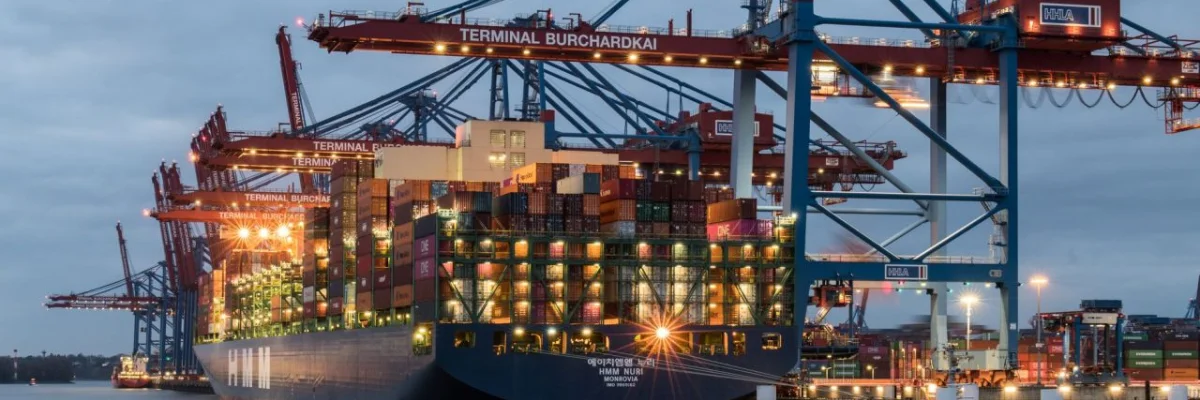
Navigating the complex landscape of global customs regulations remains one of the most significant hurdles for modern freight forwarders. As trade policies evolve rapidly and governments implement more stringent oversight, staying ahead of compliance requirements is essential for maintaining operational efficiency and avoiding costly penalties. Professionals in the logistics sector must leverage advanced technology to ensure data accuracy and transparency throughout the supply chain. By integrating robust digital tools, forwarders can proactively manage documentation, mitigate financial risks, and foster trust with both customs authorities and their clients, ultimately securing a competitive edge in an increasingly interconnected and highly regulated international market.
Understanding Regulatory Compliance Standards
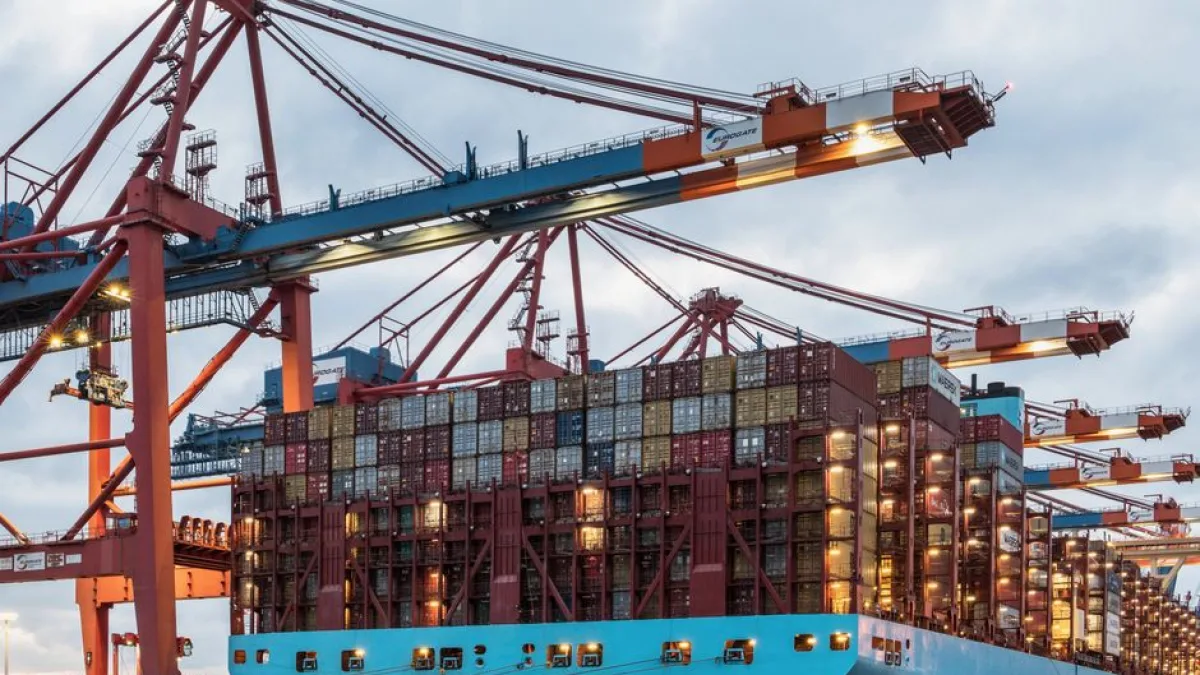
Compliance standards act as the foundational bedrock for international shipping operations. Adhering to these strict global protocols ensures that freight forwarders can move goods seamlessly across borders while minimizing delays, protecting their professional reputation, and avoiding significant financial fines from regulators.
- Harmonized Tariff Codes: Assigning accurate classification codes prevents classification disputes and ensures that your clients pay the correct duty rates during the importation process for every individual shipment.
- Documentation Accuracy Protocols: Maintaining precise and complete records is vital for proving origin and value, which directly helps in expediting clearance times at busy international border crossings.
- Risk Management Strategies: Implementing automated checks allows your team to identify potential compliance gaps early, reducing the likelihood of audits or shipments being seized by authorities.
- Regulatory Change Tracking: Staying informed about shifting regional trade laws enables forwarders to adjust their operational workflows quickly to meet updated international standards and local legal requirements.
- Electronic Filing Systems: Adopting digital customs platforms streamlines the submission process, creating a verifiable audit trail that demonstrates your company follows all modern trade security requirements.
Adopting a proactive approach to regulatory standards safeguards your company against the unpredictable nature of global trade laws. By prioritizing systematic compliance procedures today, freight forwarders create a reliable framework that supports long term growth and stability. This dedication to precision not only minimizes costly operational disruptions but also elevates your service quality, making you a trusted partner for international shippers everywhere.
The Role of Data Accuracy
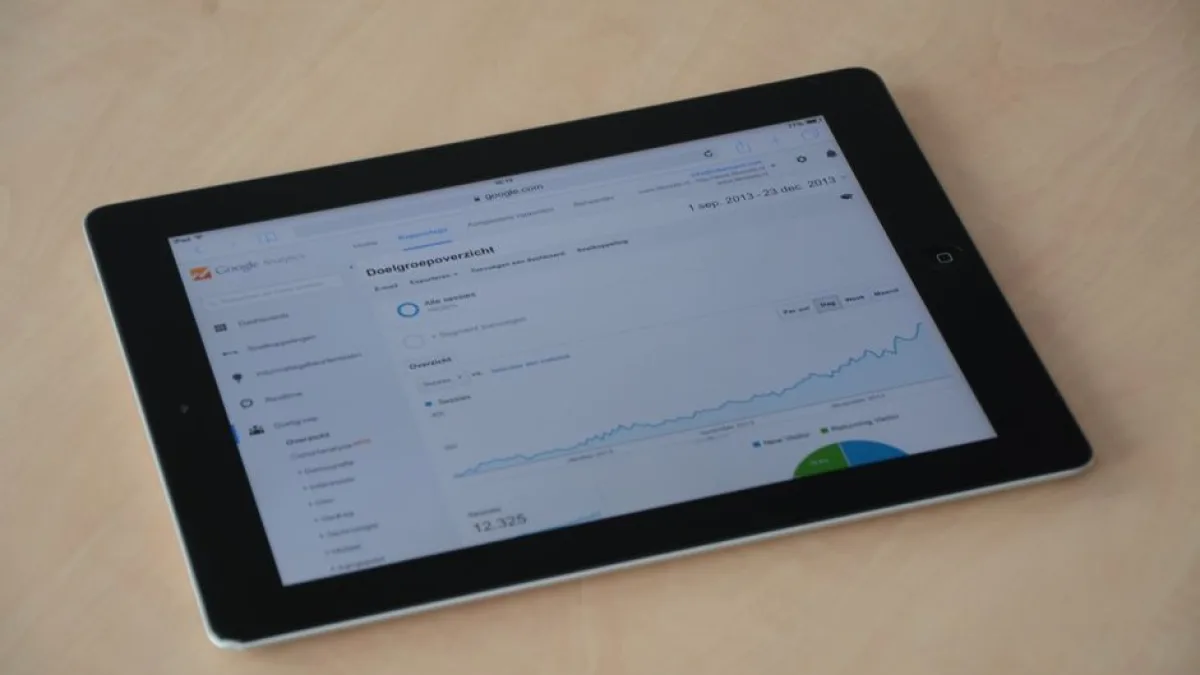
Reliable data serves as the pulse of an efficient customs department, ensuring that every shipment detail matches the declared information perfectly. Errors in reporting can trigger manual inspections, which cause massive delays and jeopardize sensitive delivery schedules for partners.
- Standardizing Data Entry: Implementing uniform input methods across your organization helps eliminate common errors, ensuring that every customs declaration is consistent and based on validated shipment metrics.
- Automation of Validation: Software tools can automatically verify data against customs databases, flagging inconsistencies before they lead to serious rejection issues or expensive penalties for shippers.
- Secure Data Storage: Keeping all client information in a protected cloud environment ensures that sensitive customs documentation is both accessible for audits and secure from unauthorized access.
- Real Time Integration: Linking your internal management platform directly with carrier databases ensures that every stakeholder has the most accurate information regarding cargo status and clearance.
- Error Analytics Reporting: Reviewing recurring data discrepancies allows your team to pinpoint training needs, helping to refine your overall process and improve future shipment accuracy and reliability.
Maintaining high levels of data integrity is essential for fostering transparency in the freight forwarding process. When your documentation is perfectly synchronized with reality, the clearance process moves much faster, leading to higher client satisfaction and operational efficiency. By investing in better data management practices, you reduce the time spent fixing manual errors and focus your resources on scaling your business operations.
Technology Driven Customs Clearance

Modern digital software has transformed the way forwarders approach customs clearance by replacing paper based workflows with efficient electronic processes. These technological advancements enable teams to process complex declarations faster while ensuring every single requirement is met perfectly every time.
- Automated Filing Solutions: Modern platforms handle the electronic submission of entries directly to authorities, cutting down processing times significantly and reducing the risk of manual input errors.
- Cloud Based Collaboration: Enabling remote access to customs files allows your team to coordinate with overseas agents efficiently, ensuring that everyone is updated on clearance status.
- Predictive Compliance Modeling: Advanced analytics software can predict potential issues with specific cargo types or origins, allowing you to prepare necessary documentation ahead of major regulatory shifts.
- Integrated Payment Systems: Automating duty and tax payments ensures that financial obligations are settled promptly, preventing cargo releases from being stalled by simple administrative payment delays.
- Notification Alert Systems: Automated alerts provide instant updates on the status of customs clearance, allowing forwarders to communicate transparently with clients about their pending cargo arrivals.
Integrating sophisticated software into your operations is no longer optional in the current freight market. The transition to digital customs management empowers forwarders to handle higher volumes without sacrificing quality or speed. As you transition away from manual data handling, you gain the ability to scale your service offerings while maintaining full control over every aspect of the customs clearance lifecycle.
Training and Workforce Development

Building a team that understands customs regulations is just as important as investing in the latest software technology. Empowering your staff with specialized knowledge ensures they can navigate complex trade scenarios while acting as expert consultants for your company.
- Continuous Learning Programs: Providing ongoing education ensures your staff stays updated on the frequent changes in trade laws and international customs compliance requirements across different regions.
- Industry Certification Support: Encouraging employees to obtain professional customs broker certifications boosts their technical skills, which adds significant value to your service offerings and firm credibility.
- Interdepartmental Knowledge Sharing: Hosting regular workshops encourages the exchange of information between logistics and compliance teams, fostering a culture of collective responsibility for high quality customs declarations.
- Scenario Based Simulations: Using practical case studies helps your team understand how to handle complex clearance obstacles, building their confidence in managing difficult high stakes shipping situations.
- External Expert Workshops: Inviting customs officials or trade consultants to provide internal training sessions offers your staff invaluable perspective on how regulators interpret and apply laws.
A well trained workforce acts as the best defense against compliance risks and operational errors. By fostering a culture of continuous development, you ensure that your team remains capable of handling the most challenging regulatory environments with total ease. When your professionals feel prepared and supported, they deliver superior service that keeps your clients happy and your business operations running flawlessly.
Conclusion
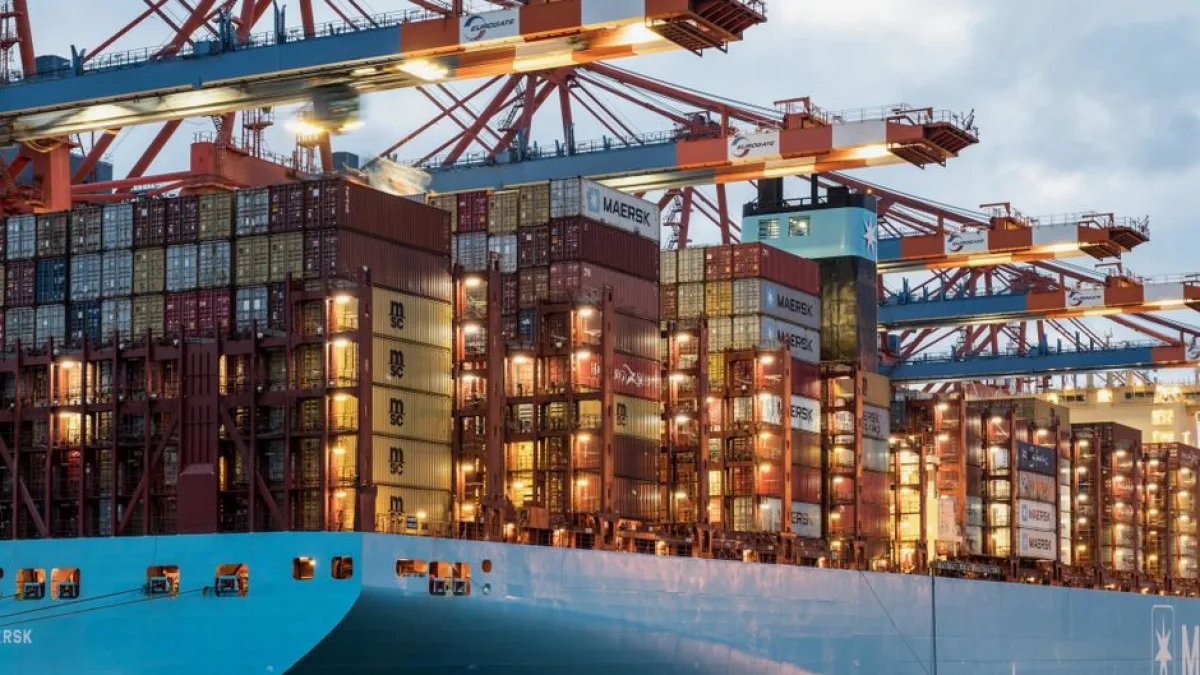
Building a robust strategy for customs compliance is the most effective way to protect your freight forwarding business from unexpected disruptions and fines. By embracing modern data practices, leveraging digital automation, and investing in team development, you position your firm as a leader in the global logistics industry. Stay ahead of changing regulations and maintain excellence by prioritizing these critical operational pillars today.