Mastering Customs Compliance in Modern Freight Forwarding
Wednesday, July 29 2026
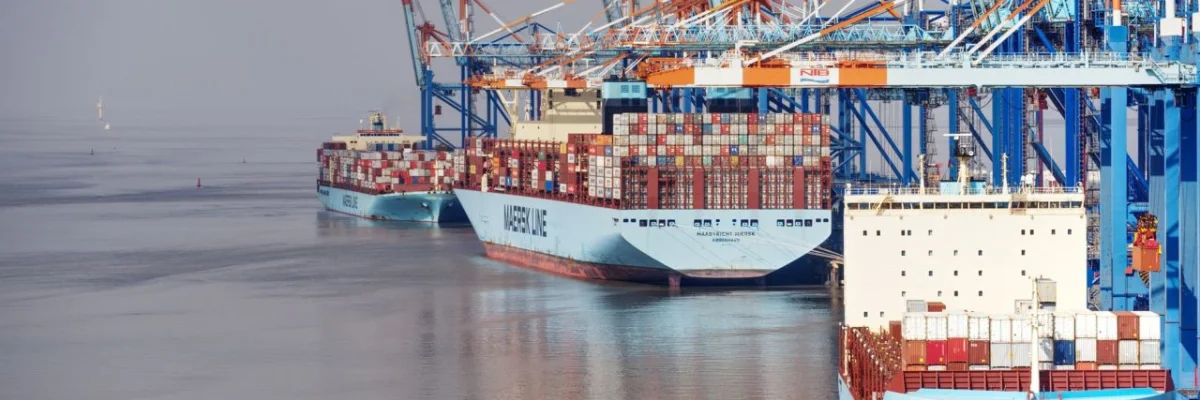
Navigating the complex landscape of global customs regulations remains one of the most significant challenges for modern freight forwarders. As international trade policies evolve rapidly, staying compliant is no longer just a legal necessity but a competitive advantage. Efficiently managing tariff classifications, documentation accuracy, and regulatory reporting requires a robust digital strategy. By leveraging advanced cloud-based platforms, forwarders can mitigate risks, avoid costly delays, and ensure a seamless movement of goods across borders. Understanding these intricate requirements is essential for maintaining operational agility and building long-term trust with clients in a volatile and highly regulated global logistics market.
Automated Documentation Systems

Digital transformation has redefined how documentation is processed within the customs ecosystem. Moving away from manual entries reduces the frequency of human error, ensuring that every declaration remains compliant with international standards while significantly accelerating overall clearance times for shippers.
- Real-time data synchronization: Our platform ensures that all cargo details flow seamlessly from booking to declaration. This minimizes discrepancy risks between physical manifests and electronic customs filings for better accuracy.
- Automated error detection: Intelligent software scans every entry for common inaccuracies before submission. This proactive approach saves hours of manual review and prevents potential fines from local authorities.
- Cloud-based document storage: Keeping all compliance files in a centralized cloud vault enhances audit readiness. You can retrieve essential clearance documents within seconds during any random agency spot check.
- Customized compliance reporting: Generate precise reports tailored to specific regulatory requirements. This allows your team to maintain full visibility over documentation status for every active shipment moving today.
Adopting automated systems allows teams to focus on strategic growth rather than repetitive manual work. By integrating these tools into your daily workflow, you minimize the risk of non-compliance and boost your reputation as a reliable partner. Clients value the transparency and speed that digital systems offer, which ultimately translates into higher retention rates and a stronger foothold in the global freight market.
Tariff Classification Strategies

Correct tariff classification determines the duties and taxes payable for every import shipment. Utilizing sophisticated tools to handle HS codes reduces the risk of overpayment or penalties caused by misclassification, ensuring your business remains compliant and cost-effective daily.
- Global tariff databases: Access updated HS code information across multiple regions instantly. Having accurate data at your fingertips prevents costly delays caused by misinterpretation of complex global trade rules.
- AI-powered code suggestions: Our engine suggests appropriate tariff codes based on historical data patterns. This helps junior staff verify classifications quickly while maintaining high levels of professional industry accuracy.
- Historical audit trails: Maintain a clear record of why specific codes were selected for every shipment. This documentation provides essential protection if customs agencies ever challenge your tax assessments.
- Multi-country compliance mapping: Navigate the nuances of different trade agreements with ease. The system identifies preferential duty rates that can save your clients significant capital on their imports.
Mastering classification is an ongoing process that requires precision and the right technical support. When your classification strategy is consistent and well-documented, you avoid the administrative headaches that plague less prepared forwarders. By prioritizing accuracy in this area, you secure your clients financial health and demonstrate the depth of your expertise in managing complex international trade compliance across various jurisdictions.
Regulatory Risk Mitigation

Proactive risk management is the cornerstone of successful customs operations. By identifying potential issues before cargo leaves the origin port, forwarders can implement preventative measures that shield their clients from the high costs associated with sudden regulatory enforcement actions.
- Proactive penalty avoidance: Receive instant alerts about changing regulations in destination countries. Staying ahead of policy shifts allows your team to adjust their processes before any negative impacts occur.
- Shipment compliance screening: Run every cargo manifest through a rigorous screening process. This identifies restricted goods or suspicious parties, keeping your company safe from involvement in illegal trade.
- Standardized compliance workflows: Create uniform procedures that every agent must follow without exception. Consistency in your internal processes is the most effective way to prevent costly customs errors.
- Automated trade alerts: Get notified immediately regarding any new trade restrictions or embargoes. Timely information is crucial for redirecting shipments and protecting your clients from unexpected logistics disruptions.
Building a culture of risk awareness turns compliance into a strategic asset. When you anticipate regulatory changes and apply uniform standards to all shipments, you minimize uncertainty for your clients. This level of diligence prevents the chaos of shipping delays and financial penalties. Forwarders who invest in these mitigation strategies consistently outperform their competitors by providing a safer, more predictable service for their customers.
Building Customs Transparency

Transparency in customs processes builds lasting client relationships through clear communication and visibility. Giving your customers a window into their clearance status reduces anxiety and fosters a sense of security, which is vital for maintaining long-term partnerships in logistics.
- Customer-facing status portals: Let clients track their customs clearance progress in real-time. Giving them visibility reduces the volume of status inquiries, allowing your team to focus on management.
- Unified communication logs: Keep all correspondence regarding customs issues within the platform. This creates a single source of truth that simplifies troubleshooting for your customer support staff members.
- Compliance transparency reports: Share quarterly performance data regarding clearance times with your clients. This proves your efficiency and highlights the value your team adds to their supply chain.
- Proactive problem resolution: Notify clients immediately when an issue arises and show your solution. Honesty during the clearance process builds much stronger trust than avoiding the tough conversation.
Openness creates a competitive advantage that goes beyond pricing. When clients understand the complexity of their shipments and see your team solving problems in real-time, they feel more invested in the partnership. Providing clear, accessible data about their customs compliance is the best way to demonstrate professional excellence. This commitment to transparency ensures that your freight forwarding business remains the preferred choice for shippers.
Conclusion
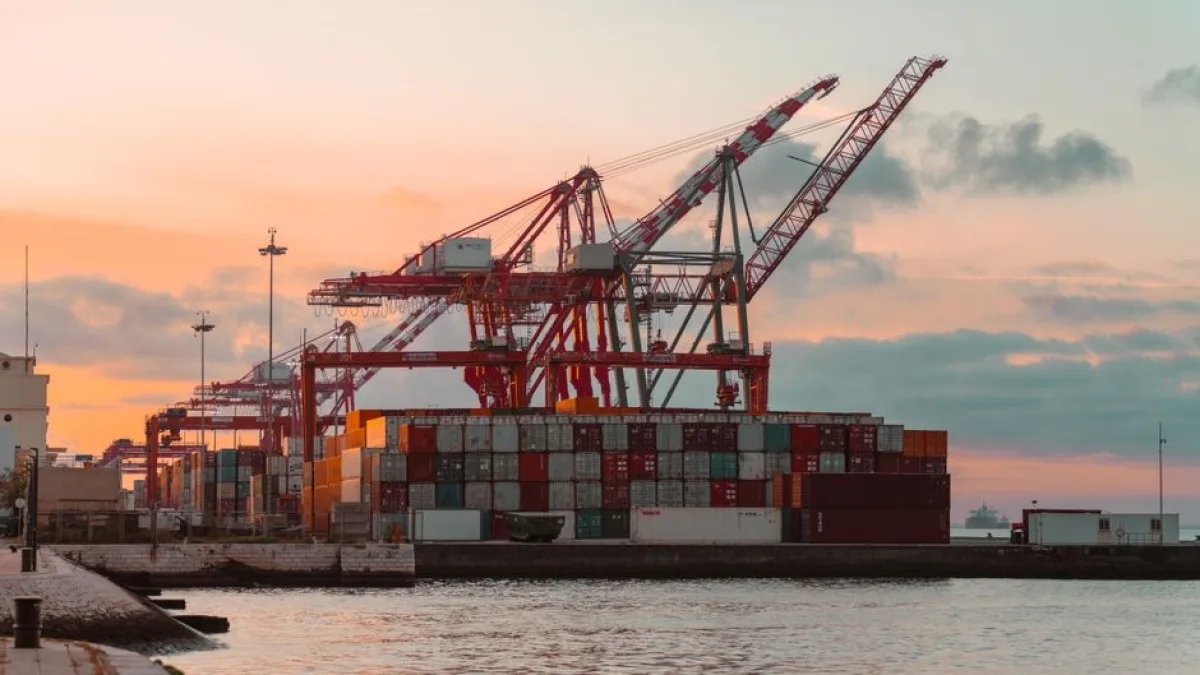
Navigating customs and compliance successfully requires a combination of human expertise and advanced cloud-based technology. By automating documentation, refining classification strategies, managing risks proactively, and maintaining full transparency, you set your business apart in the freight industry. Focus on these pillars to streamline operations, reduce potential penalties, and provide unmatched value to your clients. Stay agile and compliant to thrive in the complex world of global logistics.