Mastering Customs Compliance in Modern Freight Forwarding
Wednesday, July 29 2026
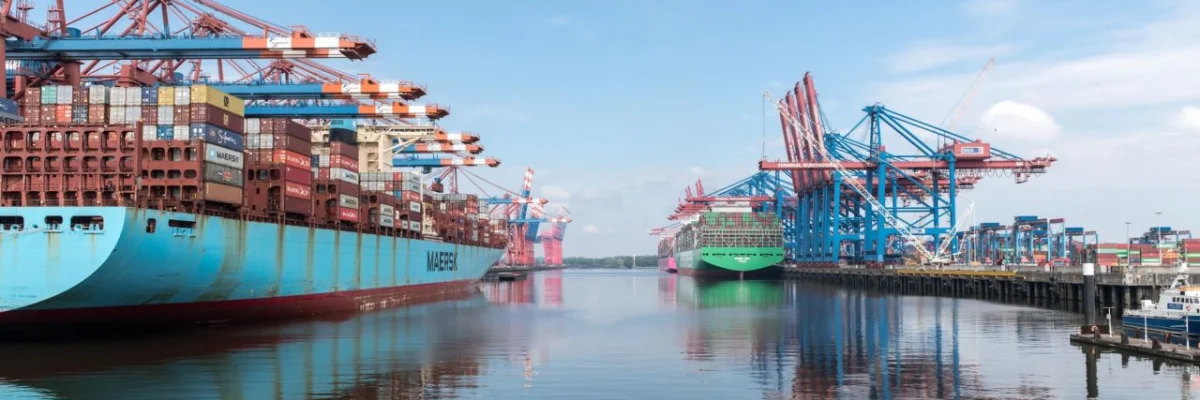
Navigating the complex landscape of international customs requires a blend of technological precision and deep regulatory expertise. As global trade policies shift, freight forwarders face increasing pressure to maintain impeccable documentation standards to avoid costly delays or severe financial penalties. Modern logistics demands a proactive stance where compliance is integrated into every shipment lifecycle rather than treated as an afterthought. By leveraging cloud-based platforms and robust compliance frameworks, logistics providers can transform their customs operations into a competitive advantage. This approach ensures seamless movement of goods while fostering trust with stakeholders and government authorities across all major global trade lanes.
Understanding Regulatory Requirements

Strict adherence to changing international regulations is the cornerstone of efficient customs processing. Forwarders must actively monitor updates from local authorities to prevent operational bottlenecks that often arise from minor documentation errors during the critical import and export clearance stages.
- Real-time data updates: Cloud platforms provide instant access to the latest tariff codes and regulatory mandates to ensure that all documentation remains accurate and fully compliant with current international trade laws.
- Automated error checks: Intelligent software systems automatically scan entries for common discrepancies before submission to minimize the likelihood of expensive rejections or audits by customs officials at the border port.
- Document digitalization workflows: Centralizing all essential shipping records in a secure cloud environment facilitates faster verification processes and ensures that auditors have clear visibility into your entire compliance history.
- Risk assessment tools: Advanced analytics help forwarders evaluate potential compliance risks associated with specific commodity types or high-risk trade lanes before any cargo movement begins for the client.
Establishing a culture of compliance within your organization requires more than just checking boxes. It demands a systematic review of internal processes and a commitment to continuous staff education regarding global trade rules. When your team fully understands the implications of non-compliance, they become better equipped to handle complexities, ultimately resulting in faster release times and a superior customer experience for your global freight clients.
Digitalizing Customs Documentation

Transitioning from paper-based records to digital solutions is essential for maintaining accurate logs in modern freight forwarding. Digital platforms enable instant sharing of documents between carriers, shippers, and customs agencies, which significantly accelerates the overall customs clearance cycle time.
- Seamless document integration: Connecting your freight software directly to customs portals allows for the rapid electronic filing of entries, reducing manual data entry work and human-induced errors.
- Secure cloud storage: Maintaining encrypted archives of all customs declarations and supporting invoices ensures that your firm remains audit-ready while protecting sensitive information against potential data breaches.
- Collaborative document portals: Allowing clients to upload their own compliance documents directly into a secure portal reduces communication lag and ensures that all parties possess updated files.
- Automated status tracking: Integrated dashboards provide live updates on the customs status of shipments, allowing forwarders to proactively address any documentation requests from authorities without delay.
Embracing a digital-first strategy transforms the way your firm manages the flow of trade data. By reducing dependency on manual paperwork, you minimize the risk of lost files and fragmented communication. This operational efficiency not only improves your speed to market but also provides an audit trail that is easy to navigate, proving your commitment to high standards during periodic compliance reviews.
Building Strong Agency Relationships

Building collaborative relationships with local customs brokers and government agencies is vital for operational success. A transparent partnership approach facilitates faster resolution of customs disputes and ensures that your firm receives timely notifications regarding any new local trade requirements.
- Standardized communication channels: Establishing clear and consistent protocols for sharing information between your team and customs agents helps to eliminate confusion and speeds up the resolution of issues.
- Periodic compliance audits: Regularly reviewing your relationship with customs partners ensures that both parties are aligned on documentation quality and shared accountability for all import or export filings.
- Agent performance monitoring: Evaluating the historical clearance speeds and error rates of your chosen brokers allows you to optimize your logistics network and ensure consistent service levels.
- Strategic feedback loops: Engaging in proactive discussions with local authorities allows you to gain insights into regional trends or upcoming changes to trade laws that affect your operations.
Strong agency relationships act as a buffer during complex clearance procedures. By acting as a transparent partner rather than a distant entity, your freight forwarding firm can navigate local bureaucratic hurdles with greater ease. These relationships are often the key difference between a smooth delivery and a stalled shipment, reinforcing the importance of investing time in professional networking and communication.
Ongoing Training and Education

Continuous professional development ensures that your staff remains at the forefront of global trade legislation. Because international policies are constantly in flux, maintaining a team that is well-versed in compliance strategy is your best defense against regulatory surprises.
- Regular certification programs: Encouraging staff to complete formal trade compliance training keeps the team updated on specific customs laws and global standardization initiatives affecting the logistics sector.
- Internal compliance workshops: Holding regular meetings to discuss case studies of past customs delays helps your team learn from mistakes and implement better preventative measures for future shipments.
- Webinar series participation: Attending industry-led webinars on evolving trade tensions or geopolitical impacts provides crucial context that helps forwarders prepare for shifts in global shipping dynamics.
- Compliance resource library: Maintaining an easily accessible internal database of regulatory manuals and procedure guides supports employees in making informed decisions during their daily operational tasks.
Investing in your human capital pays dividends in the form of increased accuracy and reduced operational risks. A well-trained team handles complex documentation with confidence, directly contributing to your reputation for reliability. As your staff gains expertise, they become an invaluable asset that helps your business adapt quickly to global changes, ensuring that your firm remains a trusted leader in the freight industry.
Conclusion
Maintaining excellence in customs compliance is an ongoing journey that requires technical integration and a focus on continuous improvement. By prioritizing digital solutions and investing in team expertise, freight forwarders can effectively mitigate risks and streamline global operations. This commitment to compliance not only protects your bottom line but also establishes your brand as a reliable partner in the ever-evolving world of international logistics.