Mastering Customs Compliance in Modern Freight Forwarding
Wednesday, July 29 2026
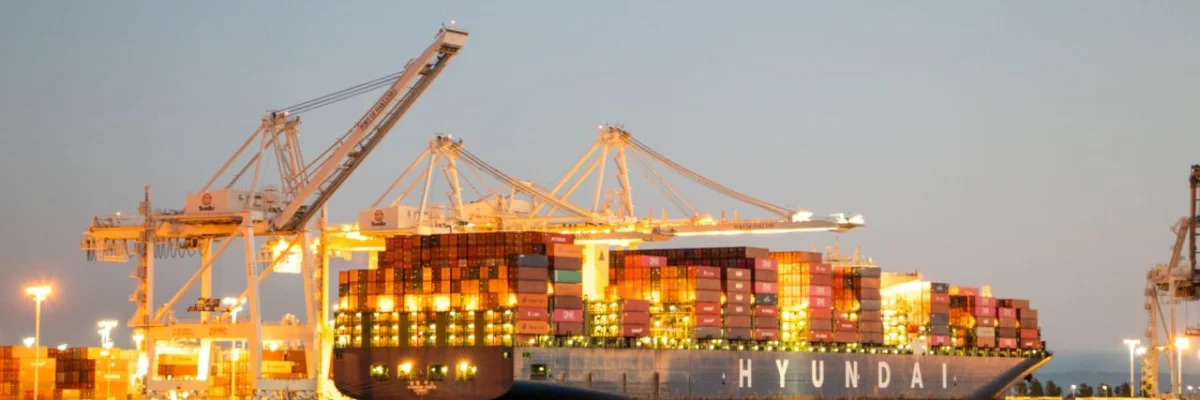
Navigating the complex landscape of international trade requires freight forwarders to maintain rigorous standards of customs compliance. As global regulations tighten and digital transformation sweeps through the logistics sector, the burden of accurate documentation and classification falls squarely on the shoulders of forwarders. Failure to meet these obligations can lead to significant delays, hefty financial penalties, and damage to professional reputations. By leveraging cloud-based technology and adopting proactive strategies, forwarders can ensure that their operations remain seamless. Understanding the nuances of global customs protocols is no longer optional but a critical necessity for maintaining a competitive edge in today's fast-paced shipping environment.
Understanding Trade Regulatory Frameworks

Regulatory frameworks dictate how goods move across international borders and require deep expertise. Forwarders must interpret diverse legal codes while managing high volumes of cargo to ensure that every shipment adheres to the specific laws governing the importing and exporting countries.
- Prioritizing HS Classification: Harmonized System codes are the foundation of trade compliance and require precise selection to ensure that duties and taxes are calculated correctly for every international shipment.
- Monitoring Trade Policies: Keeping track of changing trade agreements and government policies is essential for forwarders who need to anticipate disruptions before they negatively impact their client delivery schedules.
- Verifying Documentation Accuracy: Every commercial invoice and packing list must be thoroughly vetted for errors because even minor discrepancies in data can trigger lengthy holds at the border gates.
- Implementing Internal Audits: Conducting regular reviews of customs entries allows forwarders to identify potential compliance gaps early and rectify them before authorities perform an official inspection of their files.
Mastering these regulatory frameworks requires constant vigilance and a commitment to accuracy. When forwarders treat compliance as an integral part of their operational workflow rather than a secondary task, they significantly reduce the likelihood of costly errors. Maintaining a robust internal system for tracking policy updates ensures that the entire team stays aligned with current international requirements and avoids unnecessary administrative friction.
Leveraging Digital Compliance Tools
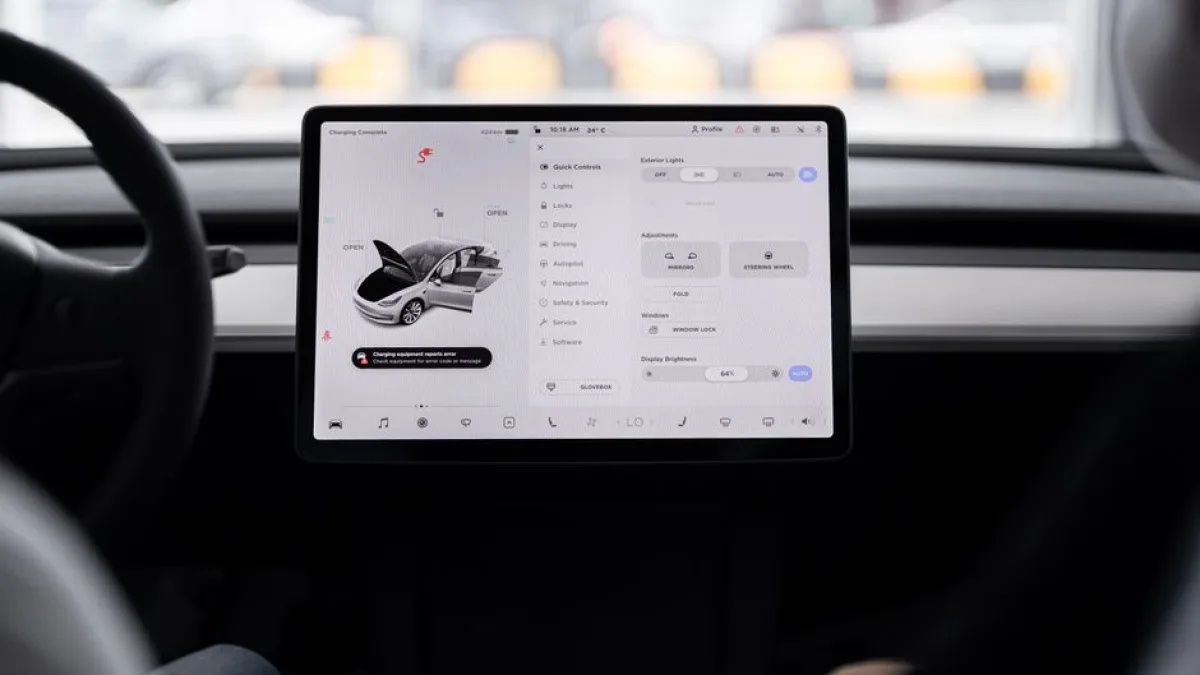
Cloud-based technology platforms now provide the visibility needed to manage complex customs requirements efficiently. By automating repetitive tasks, freight forwarders can minimize human error and focus their resources on strategic decision making rather than manual data entry and repetitive verification.
- Automating Data Entry: Modern software solutions allow for the seamless integration of customs data which eliminates redundant manual typing and drastically reduces the probability of entering incorrect shipment information.
- Real-Time Status Tracking: Digital dashboards offer immediate visibility into the clearance status of cargo, enabling teams to respond quickly if any issues arise during the customs examination process.
- Centralizing Digital Records: Storing all compliance documentation in a secure cloud environment ensures that essential paperwork is always available for audits and accessible to authorized team members anytime.
- Enhancing Workflow Visibility: Advanced analytics help managers identify bottlenecks in the customs process, allowing for the optimization of workflows that keep cargo moving without unexpected pauses or delays.
Digital tools are changing how the industry handles the complexities of global trade compliance. By investing in scalable technology, forwarders create a foundation for long-term growth and reliability. These platforms serve as a single source of truth for all documentation, making it significantly easier to maintain compliance across multiple jurisdictions while providing clients with the transparent updates they expect in the modern era.
Managing International Duty Obligations
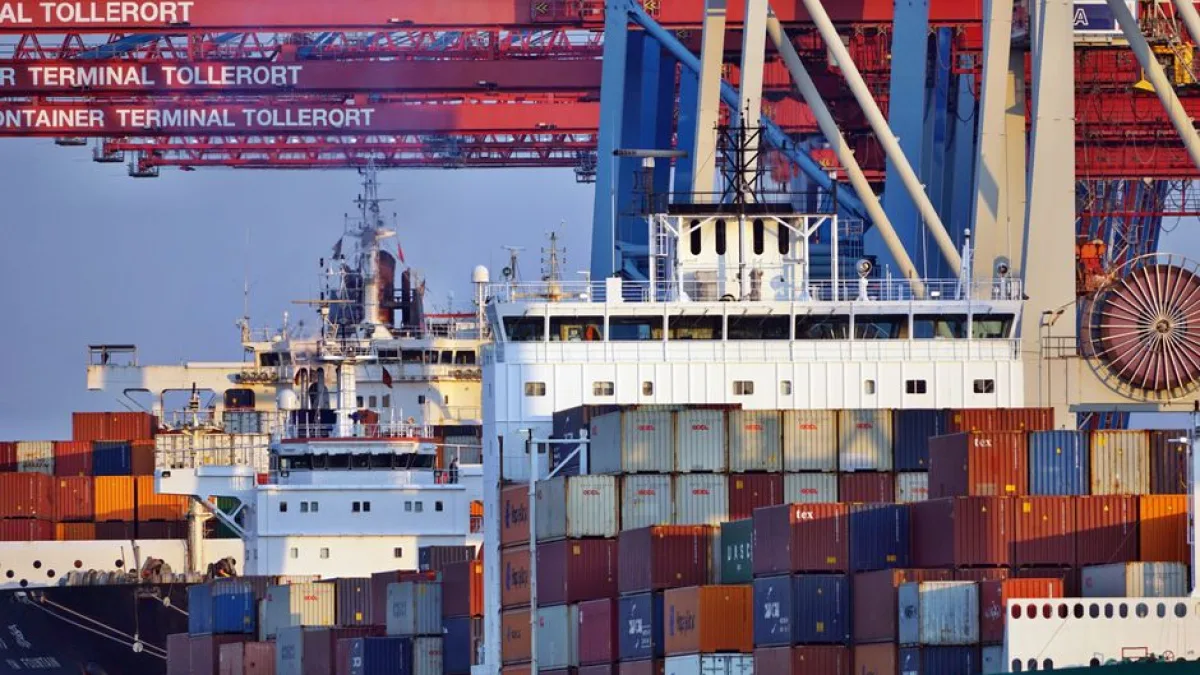
Calculating and paying duties is a high-stakes responsibility that demands precision to protect the financial interests of clients. Forwarders must understand duty structures, tariff exemptions, and free trade agreements to provide accurate financial guidance throughout the entire shipping process.
- Optimizing Tariff Usage: Skilled forwarders leverage their knowledge of preferential trade agreements to help clients legally reduce duty costs through proper product classification and documentation of origin criteria.
- Managing Tax Payments: Efficient management of duty and tax payments requires clear coordination with financial departments to ensure that funds are available when shipments arrive at their destination.
- Addressing Anti-Dumping Laws: Understanding the impact of anti-dumping duties is crucial for forwarders to prevent clients from facing unexpected financial burdens when importing goods from certain global regions.
- Simplifying Duty Drawbacks: Providing support for duty drawback programs enables forwarders to add extra value by helping clients recover payments for goods that are eventually re-exported to markets.
Effective duty management is a hallmark of a professional freight forwarder who prioritizes client success. By managing these financial aspects with expertise, forwarders demonstrate their value as strategic partners in the global supply chain. This proactive approach to fiscal compliance builds trust with clients and ensures that their international operations remain profitable while strictly adhering to all applicable regional and international tax laws.
Mitigating Risks Through Proactive Compliance

Risk mitigation is the ultimate objective of any customs compliance strategy in the logistics industry today. By anticipating potential challenges and implementing proactive safety measures, forwarders can protect their operations from the volatility associated with international borders and complex shipping regulations.
- Conducting Risk Assessments: Regularly evaluating the risk profile of different trade lanes allows forwarders to develop custom strategies that address potential compliance hurdles before they become operational emergencies.
- Training Staff Regularly: Investing in the ongoing education of team members ensures that everyone understands the latest customs updates and knows how to execute their duties with confidence.
- Building Strong Partnerships: Maintaining open lines of communication with customs authorities and local agents fosters a cooperative environment that helps expedite clearance processes during high-volume shipping periods.
- Standardizing Operational Procedures: Establishing clear and consistent standard operating procedures across all offices guarantees that compliance requirements are met uniformly regardless of the specific route or cargo type.
Proactive compliance is the best defense against the complexities of modern logistics. By focusing on training, standardized procedures, and strong communication, forwarders create a resilient organization capable of handling any regulatory challenge. This commitment to excellence ensures that businesses continue to operate smoothly, minimizing risk while consistently meeting the demands of global trade in an increasingly interconnected and highly regulated world.
Conclusion

Maintaining customs compliance is the cornerstone of a successful freight forwarding business in today's global market. By combining expert knowledge with advanced digital tools, professionals can navigate regulatory challenges with confidence. Prioritizing accuracy and proactive risk management ensures seamless operations, fosters client trust, and secures long-term growth. Embrace these strategies to keep your logistics processes efficient and fully compliant with all international trade standards.