Mastering Customs Compliance: A Modern Guide for Freight Forwarders
Thursday, July 30 2026

Global trade relies on the seamless movement of goods across borders, making customs compliance a critical pillar for any successful freight forwarding business. As regulatory landscapes evolve with increasing complexity, forwarders face the dual challenge of maintaining rapid transit times while ensuring total adherence to international import and export laws. Failing to navigate these requirements accurately leads to severe penalties, shipment delays, and reputational damage. By integrating advanced cloud technology into your operations, your team can automate documentation, mitigate risks, and provide clients with the transparency they demand. This guide outlines essential strategies to streamline your compliance efforts while enhancing your overall service delivery efficiency.
Automating Trade Documentation Processes

Digital transformation significantly reduces human error in documentation, which remains the leading cause of customs delays. Modern freight platforms centralize every piece of data, ensuring that your records are accurate, updated in real-time, and easily accessible for authorities during any audit.
- Automated Entry Filing: Integrate your software directly with customs portals to submit data automatically, eliminating manual entry errors and ensuring that every declaration meets current regulatory formatting and requirements.
- Centralized Document Storage: Maintain a secure cloud repository for all shipping documents, such as commercial invoices and packing lists, ensuring that your team accesses only the latest versions.
- Real-time Compliance Alerts: Receive instant notifications when trade regulations change in specific regions, allowing your team to update processes immediately and prevent non-compliant shipments from leaving the origin port.
- Digital Data Auditing: Utilize automated validation tools to cross-reference shipment data against tariff codes and duty rates, ensuring that every financial calculation is precise and compliant with local laws.
Adopting digital documentation processes transforms how your firm handles cross-border shipments. By reducing reliance on manual inputs, you create a more resilient supply chain that withstands the pressures of international trade. Your staff will spend less time on tedious paperwork and more time managing client relationships and scaling operations. Embracing this shift is the most effective way to ensure long-term stability and growth in competitive markets.
Managing Tariffs and Trade Agreements
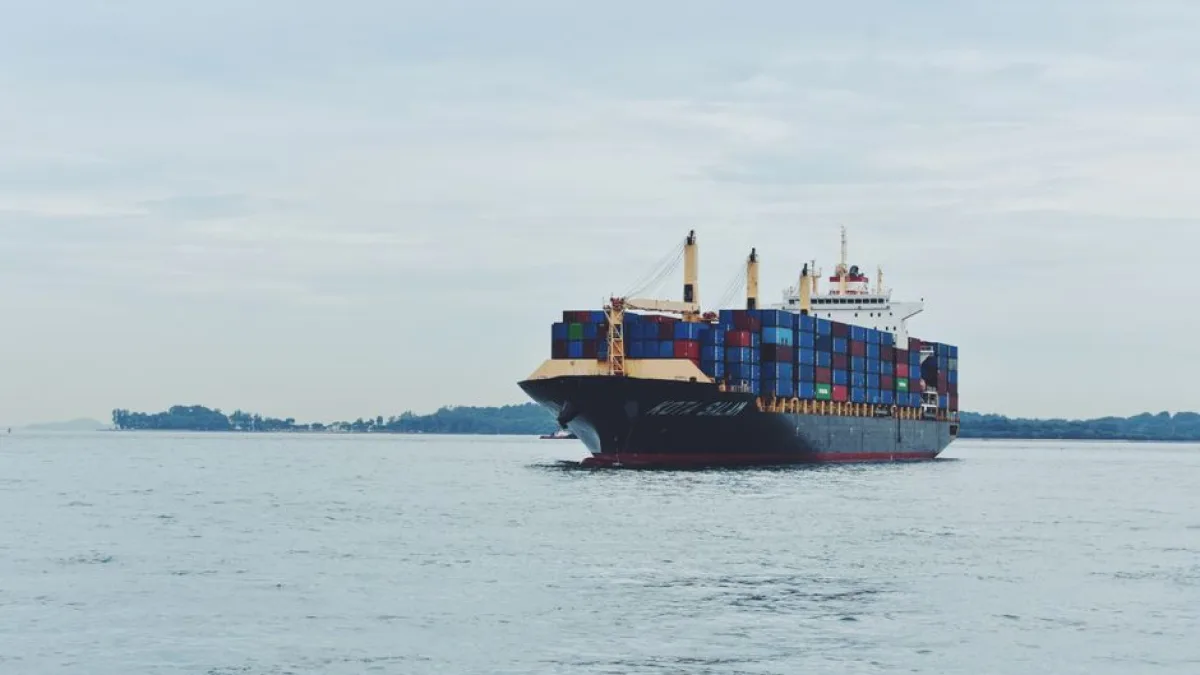
Understanding the nuances of complex tariff structures and international trade agreements is essential for minimizing costs. Forwarders must actively monitor these shifting economic policies to provide accurate landed cost estimates and ensure that all shipments remain fully compliant with trade rules.
- Tariff Code Classification: Use AI-driven tools to accurately classify goods under the Harmonized System codes, preventing costly penalties and ensuring that the correct duty rates are applied every time.
- Preferential Trade Agreements: Identify opportunities to leverage existing free trade agreements between nations to lower client expenses while maintaining full legal compliance throughout the entire shipping lifecycle process.
- Duty Drawback Management: Track shipments eligible for duty recovery programs to provide added value to your customers, effectively turning your compliance strategy into a significant competitive business advantage.
- Regulatory Policy Updates: Stay informed about sudden changes in trade tariffs through automated alerts, which keep your operational team updated on the latest shifts in global economic policy landscapes.
Maintaining a proactive approach to tariff management demonstrates deep expertise to your clients. By helping them navigate the complexities of international trade agreements, you position your firm as a strategic partner rather than a simple service provider. This high level of service ensures that you deliver cost-efficient shipping solutions that adhere to all international laws, effectively building trust and long-term customer loyalty.
Risk Mitigation and Security Compliance

Securing your supply chain involves more than just physical safety. It requires implementing robust internal protocols that verify the integrity of every shipment. Proper risk mitigation protects your operations from illegal activities and ensures that your forwarder reputation remains untarnished among customs authorities.
- Vendor Verification Checks: Implement rigorous screening protocols for all sub-contractors and shipping partners to ensure they meet your internal standards for security and international trade regulatory compliance requirements.
- Shipment Security Protocols: Utilize advanced tracking and seal monitoring technology to ensure that container integrity remains intact during transit, providing documented evidence for customs officials if requested.
- Sanction Screening Tools: Automatically scan all parties involved in a shipment against restricted or denied person lists to ensure that you never conduct business with prohibited entities globally.
- Incident Reporting Systems: Establish a structured process for logging and reporting any security discrepancies immediately, ensuring that your firm remains transparent and compliant with all official investigations.
Prioritizing security compliance reduces the likelihood of intrusive inspections that often stall logistics operations. By embedding risk management into your daily workflows, you protect your clients from unnecessary delays and fines. This commitment to security not only fulfills legal obligations but also improves your overall operational reliability, making your firm a preferred choice for companies seeking safe and consistent global distribution services.
Training and Talent Development

The human element remains a vital component of any compliance strategy. Investing in continuous staff development ensures that your team understands not just the rules, but the strategic importance of adhering to them in an increasingly complex global environment.
- Compliance Workshop Series: Conduct regular training sessions focused on the latest updates in customs regulations to ensure your team is always informed and capable of handling complex challenges.
- Certification Support Programs: Encourage employees to earn industry-recognized certifications, which boosts the credibility of your team and provides them with specialized knowledge required for navigating global customs requirements.
- Process Standardisation Training: Ensure that every staff member follows the exact same operational procedures, creating a consistent level of quality and compliance across your entire organizational structure every day.
- Cross-departmental Knowledge Sharing: Facilitate sessions where logistics experts share their real-world experience, helping newer team members learn how to handle difficult compliance situations effectively and with high professional confidence.
Cultivating a team that values compliance is a long-term investment that pays dividends through efficiency and accuracy. When your staff is well-trained, they become the first line of defense against errors that lead to costly legal issues. This internal expertise allows your firm to navigate the most challenging regulatory landscapes with ease, ensuring that you remain a reliable and highly trusted industry leader.
Conclusion
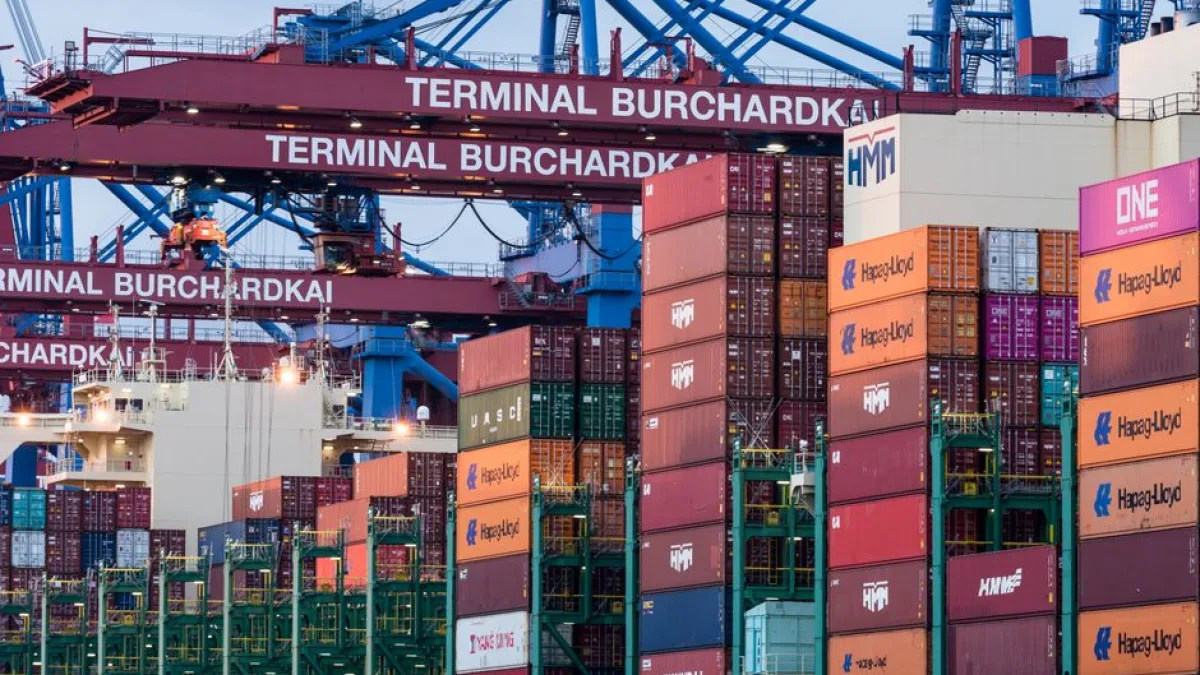
Navigating the intricate world of customs and compliance requires a combination of robust digital tools and a knowledgeable team. By automating your documentation, proactively managing tariffs, and maintaining strict security standards, you can turn regulatory hurdles into operational advantages. Focus on continuous improvement and technology integration to keep your freight forwarding business ahead of the competition and fully compliant with all global trade requirements.