Mastering Customs Compliance: A Freight Forwarders Guide to Global Trade
Thursday, July 30 2026
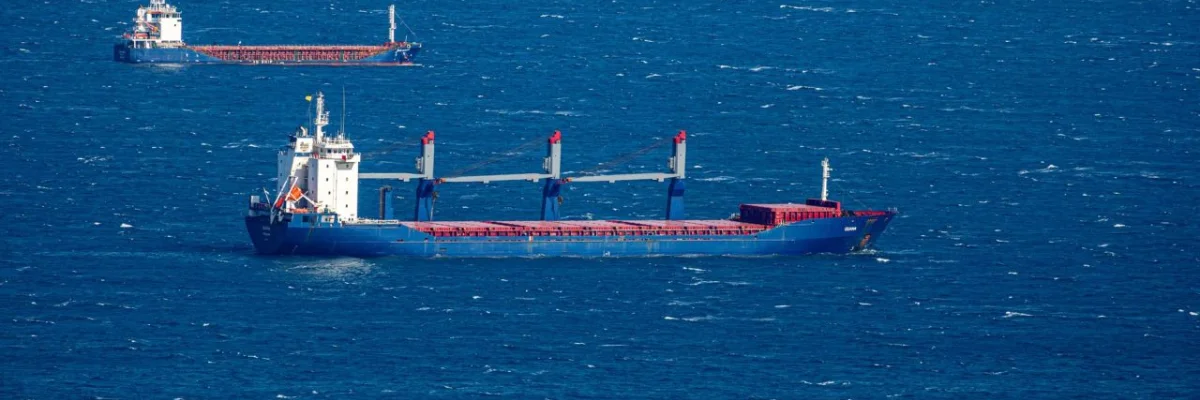
Navigating the intricate landscape of global customs regulations requires precision and foresight to prevent costly delays and penalties. For modern freight forwarders, maintaining strict compliance is not merely a legal obligation but a cornerstone of operational efficiency. As international trade policies evolve rapidly, staying informed on documentation standards and tariff classifications is essential for maintaining supply chain fluidity. By leveraging digital platforms and automated compliance tools, logistics professionals can reduce manual errors and ensure that every shipment sails through customs checkpoints with minimal intervention, ultimately building trust with clients and fostering sustainable long term growth in an increasingly complex and regulated global market environment.
The Critical Role of Accurate HS Classification
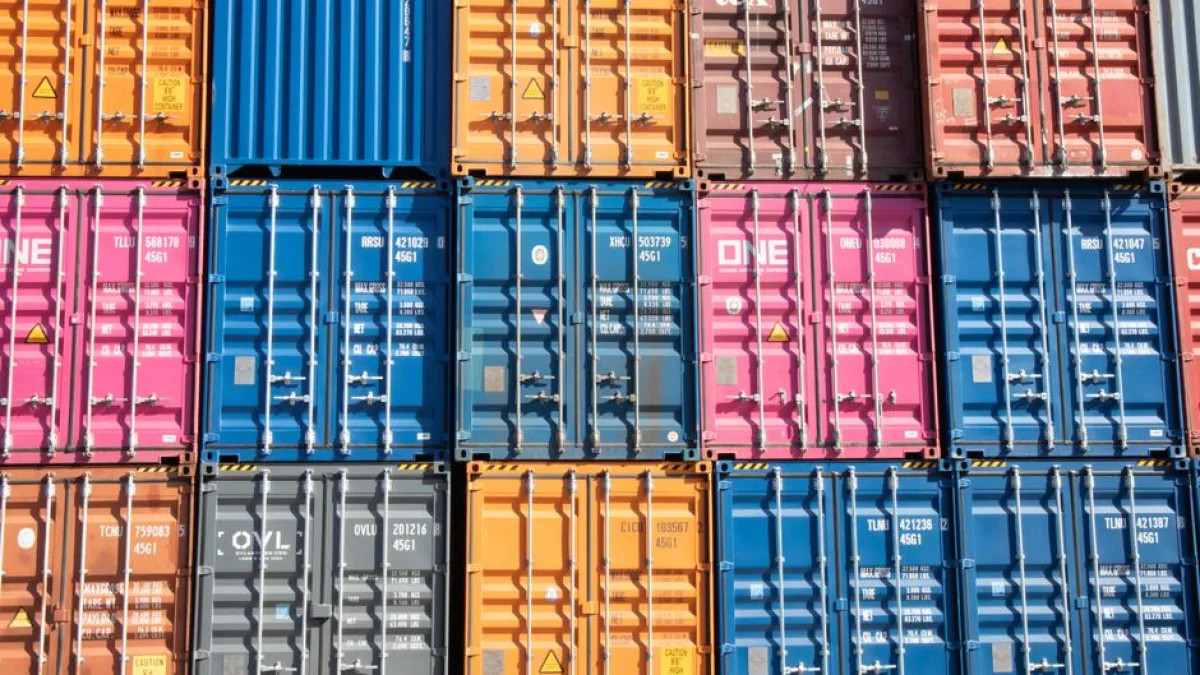
Correct Harmonized System classification serves as the backbone of trade compliance, directly influencing duty rates and regulatory oversight. Misclassifying goods can lead to severe fines, cargo seizures, and significant supply chain disruptions that damage your professional reputation with global partners.
- Precise Tariff Mapping: Utilize advanced digital classification tools to map your specific commodities against global databases to ensure that your duty calculations remain accurate and perfectly aligned with regulations.
- Mitigating Financial Risks: Preventing incorrect tariff applications shields your firm from unexpected retroactive tax audits and hefty financial penalties imposed by customs authorities during routine post-clearance cargo cargo verification processes.
- Enhancing Audit Trails: Maintaining a comprehensive and digitized history of all classification decisions provides a robust defense for your brokerage during unexpected government audits or internal compliance reviews.
- Standardizing Global Operations: Implement consistent classification methodologies across your regional offices to ensure that every agent follows identical procedures when handling complex imports or exports of sensitive goods.
- Leveraging Automated Data: Integrate real time tariff updates into your logistics software to keep your team informed about sudden regulatory shifts that could impact your clients shipping costs.
Mastering the art of classification requires both technological support and expert human oversight to navigate gray areas in product descriptions. By standardizing your classification workflow, you eliminate the guesswork that often leads to shipping delays at critical ports. This proactive approach ensures that your logistics operations remain agile and compliant, protecting both your bottom line and your clients valuable trade interests during transit.
Leveraging Technology for Automated Documentation

Transitioning from paper based systems to automated documentation platforms is essential for modern forwarding companies. Digital workflows reduce manual data entry errors and provide a centralized repository for compliance certificates, permits, and commercial invoices required by global customs authorities.
- Reducing Manual Errors: Automated systems pull critical data directly from your logistics platform, ensuring that shipment details remain perfectly synchronized across all essential electronic customs declarations and international forms.
- Centralized Document Storage: Maintain a secure cloud based archive for all historical compliance records, making it easier for your team to access critical paperwork during fast audits.
- Real Time Integration: Connect your forwarding software directly with customs portals to receive instant status updates regarding document approval or requests for additional information from border agents.
- Improving Operational Speed: Automate the generation of recurring trade documents to save your staff hours of repetitive work while simultaneously increasing the overall accuracy of your submissions.
- Customized Compliance Alerts: Receive automated notifications whenever specific local or international regulations change, ensuring that your team can update your documentation processes before problems arise at borders.
Investing in advanced digital solutions fundamentally changes how your firm manages the flow of trade data. By automating routine documentation tasks, you free your staff to focus on solving complex logistical challenges rather than correcting typos on shipping labels. This digital transformation creates a transparent and highly efficient environment that keeps your freight moving smoothly and keeps your clients satisfied with delivery timelines.
Adapting to Changing International Trade Policies

Geopolitical shifts and changing trade agreements require forwarders to remain agile in their compliance strategies. Keeping track of regional sanctions, free trade zones, and embargoes is vital to ensure that your cross border shipping operations avoid legal complications.
- Tracking Regulatory Updates: Subscribe to professional compliance databases that track global policy shifts, allowing you to pivot your routing strategies before trade barriers impact your current supply chain.
- Regional Expert Consultation: Build a network of local customs experts who possess specific knowledge of regional trade agreements, providing you with on the ground insights into changing laws.
- Sanction Screening Protocols: Implement mandatory screening processes for every business partner and consignee to ensure that your cargo never enters or leaves restricted trade territories during transport.
- Managing Trade Agreements: Take full advantage of preferential duty rates offered by current trade treaties by maintaining rigorous documentation that qualifies your clients goods for lower tariffs.
- Risk Assessment Planning: Conduct regular internal reviews of your operational regions to identify potential compliance gaps that could be exploited by changing international laws or sudden sanctions.
Agility in the face of shifting trade policies defines the difference between a struggling provider and a market leader. By building a flexible compliance framework that can quickly adapt to new rules, you insulate your business from the volatility of global markets. Maintaining this high level of situational awareness proves your value as a strategic logistics partner to every single client.
Building a Culture of Compliance Training

Compliance is only as strong as the people who manage it. Regular training sessions for your logistics team ensure that every staff member understands the importance of customs regulations and follows established protocols for every single international shipment handled.
- Continuous Staff Education: Provide ongoing training modules that cover updated customs procedures and common industry pitfalls, ensuring your entire team stays current with the latest regulatory mandates.
- Internal Audit Reviews: Conduct routine mock audits of your documentation processes to identify areas for improvement and reinforce the importance of following standardized compliance procedures every day.
- Defining Clear Roles: Assign specific compliance responsibilities within your organization to ensure accountability and provide a clear point of contact for resolving complex customs inquiries or disputes.
- Cultivating Ethical Standards: Promote a company wide culture that values transparency and honesty, as these principles are essential for building long term trust with various customs agencies.
- Feedback Loop Integration: Encourage your staff to report compliance bottlenecks they encounter in the field, allowing you to refine your processes and remove obstacles for future shipments.
Your team represents the primary line of defense against compliance failures and regulatory audits. By investing in their professional development, you build a knowledgeable workforce capable of handling the complexities of modern trade with confidence. A well trained team not only minimizes errors but also improves overall service quality, ensuring your logistics operations remain both efficient and fully compliant with global standards.
Conclusion
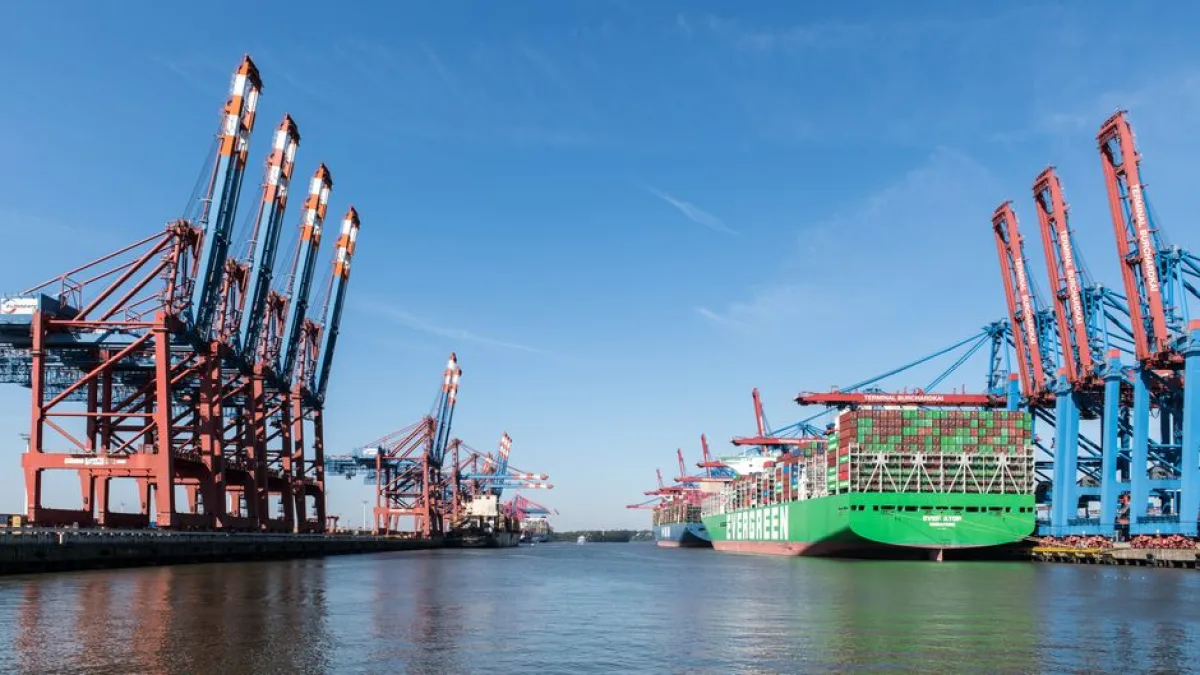
Mastering the complexities of customs compliance requires a perfect balance of advanced technology, continuous staff training, and proactive policy management. By integrating these strategies into your daily logistics operations, you effectively reduce risks and enhance the overall reliability of your services. Adopt these best practices today to secure your reputation as a trusted freight forwarder capable of navigating any global trade challenge with complete ease.