Mastering Customs Compliance in Modern Freight Forwarding
Friday, July 31 2026

Navigating the complex landscape of global customs regulations remains the most significant challenge for modern freight forwarders. As trade policies evolve and border security measures tighten, the margin for error diminishes rapidly. Discrepancies in documentation or failure to comply with local import requirements can lead to severe penalties, lengthy cargo delays, and damaged professional reputations. By integrating advanced digital tools and standardizing compliance protocols, forwarders can transform these regulatory hurdles into a competitive advantage. This guide explores the essential pillars of maintaining robust customs compliance to ensure your logistics operations remain agile, efficient, and fully aligned with international legal standards in today's fast paced market.
The Critical Role of Data Accuracy

Accurate data entry serves as the foundational element of successful customs clearance procedures in the shipping industry. When information regarding shipment contents, valuations, or classification codes is imprecise, authorities frequently flag consignments for extensive inspections and audits.
- Automated Classification Systems: Using advanced software to determine the correct Harmonized System codes ensures that your duty payments and regulatory declarations are accurate and remain compliant with global customs standards.
- Standardized Data Entry: Implementing a uniform method for inputting cargo descriptions minimizes human error and creates a reliable audit trail that simplifies future inspections and clearance procedures for agencies.
- Real Time Verification: Deploying automated tools that cross reference shipment details against restricted party lists prevents costly errors before the freight even reaches the designated customs border point.
- Digital Document Storage: Centralizing all shipping paperwork in a secure cloud environment allows teams to access critical clearance information instantly while maintaining integrity for long term compliance records.
Prioritizing data precision reduces the frequency of manual interventions during the clearance process. By leveraging technology to standardize how information is processed, your team can avoid the common pitfalls associated with typographical errors or missing classifications. This proactive approach not only speeds up the release of cargo at ports but also enhances your credibility with customs authorities across all jurisdictions worldwide.
Navigating Evolving Regulatory Landscapes
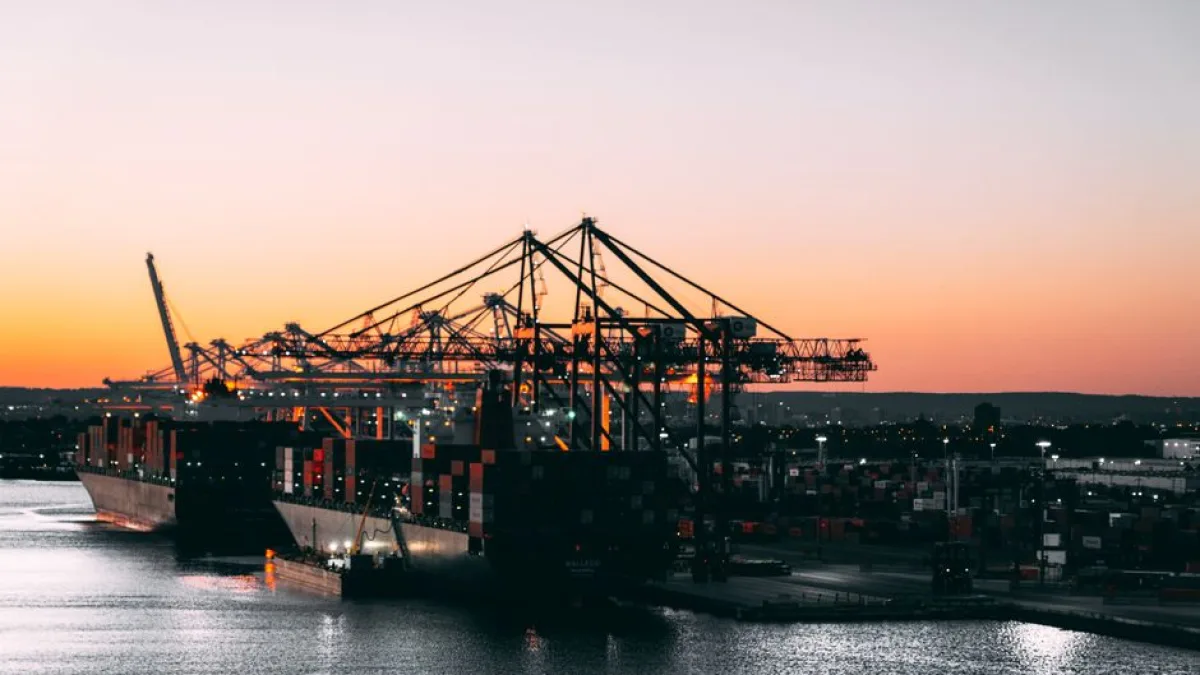
International trade regulations change without warning, requiring freight forwarders to stay informed about shifting political mandates. Staying ahead of these adjustments ensures that your clients do not face unexpected fines or disruption to their critical supply chain timelines.
- Monitoring Trade Policies: Actively tracking updates from government customs portals allows your team to adjust operational procedures in advance of new regulations impacting your current shipping routes.
- Supplier Vetting Protocols: Establishing rigorous standards for verifying the documentation provided by your overseas partners helps maintain a transparent supply chain that satisfies even the strictest international audits.
- Proactive Compliance Training: Investing in regular professional development ensures that your staff members understand current legislative changes and can apply these rules to complex multi-modal freight shipments.
- Global Network Collaboration: Maintaining close partnerships with local agents provides on the ground intelligence regarding specific port regulations and regional requirements that may differ from national policy frameworks.
Adaptability acts as the core strategy for surviving in the volatile world of international logistics. When you treat compliance as a dynamic function rather than a static checklist, you protect your company from the risks posed by sudden shifts in global trade law. Maintaining this level of alertness builds long term stability for your operations while demonstrating true expertise to your clients.
Streamlining Documentation Workflows

Paper based processes create massive bottlenecks that delay shipments and increase the risk of lost documents. Modern freight forwarders must transition toward digitized workflows to maintain speed while strictly adhering to mandatory customs and reporting compliance requirements.
- Electronic Filing Systems: Moving toward paperless submissions reduces the physical handling of documents and speeds up the transmission of information between your office and customs authorities effectively.
- Integrated Software Solutions: Using cloud based platforms that connect logistics data directly to customs portals eliminates the need for redundant data entry across different disconnected shipping software.
- Automated Notification Alerts: Setting up digital triggers for missing or expiring certificates ensures that your team acts quickly to correct documentation before it impacts the shipment flow.
- Encrypted Digital Signatures: Implementing secure electronic signature protocols streamlines the authorization of customs entries while maintaining high levels of security for sensitive trade documentation and client data.
Digital transformation is no longer optional for firms aiming to maintain a high volume of successful customs clearances. By automating the flow of information, your team can eliminate repetitive tasks that often lead to oversight and delays. This efficiency improves your profit margins while ensuring that every shipment meets legal standards with consistent, verifiable, and transparent documentation for all parties.
Building Trust Through Transparency

Transparency in your customs operations fosters long term relationships with both customs agencies and your diverse client base. When a forwarder consistently demonstrates honesty and clarity, it minimizes scrutiny during inspections and simplifies the overall cargo release process.
- Clear Client Communication: Keeping customers informed about the status of their customs clearance builds confidence and sets realistic expectations regarding potential delays or regulatory hurdles encountered during transit.
- Transparent Audit Trails: Creating detailed logs of every communication and submission related to a specific shipment provides clear evidence of compliance during unexpected government agency investigations.
- Ethical Compliance Standards: Adopting a firm code of ethics regarding trade declarations ensures that your company maintains a clean reputation with international customs and port authorities everywhere.
- Regular Performance Reviews: Analyzing the history of your customs filings helps identify recurring issues, allowing you to refine your processes and consistently deliver high quality logistics services.
When you prioritize transparent practices, you position your firm as a reliable partner in the global trade ecosystem. This reliability acts as a shield against potential compliance risks and attracts clients who value integrity and professional excellence. By focusing on open communication and diligent record keeping, you create a sustainable model for growth that handles customs complexity with confidence and ease.
Conclusion
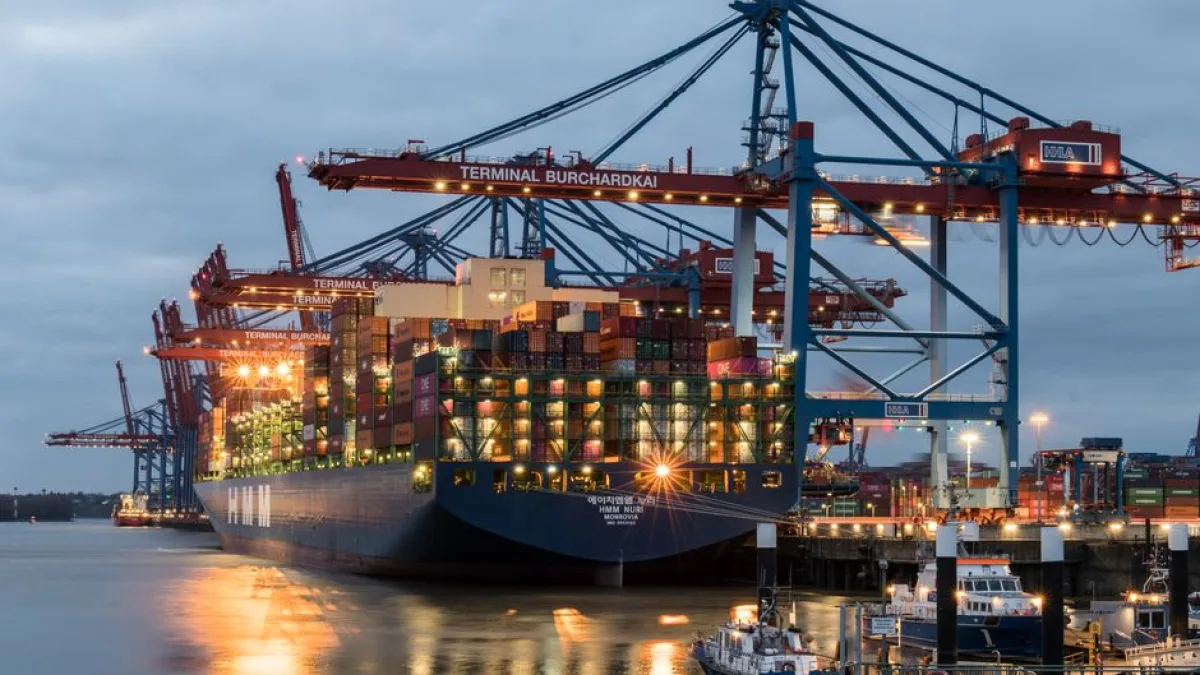
Mastering customs compliance is an essential aspect of achieving operational success in the freight forwarding industry. By focusing on data accuracy, regulatory awareness, digitized workflows, and total transparency, your team can navigate the complexities of global trade with confidence. Implementing these strategies will protect your business from penalties while building lasting trust with clients and customs authorities throughout your international shipping network.