Mastering Customs Compliance: A Strategic Guide for Freight Forwarders
Saturday, August 1 2026
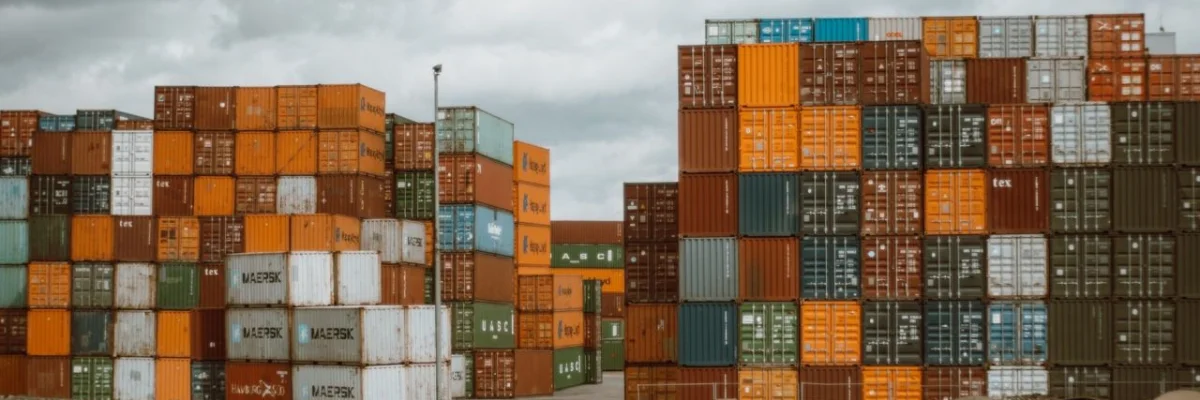
Navigating the intricate landscape of global trade requires more than just logistical efficiency; it demands an unwavering commitment to customs compliance. As borders become more digitized, freight forwarders are under increasing pressure to maintain impeccable record-keeping and regulatory accuracy. Failure to adhere to evolving international protocols can lead to costly shipment delays, substantial financial penalties, and significant reputational damage. By integrating advanced digital solutions into your daily workflows, your firm can proactively manage complex documentation, ensure seamless cross-border transit, and establish a reliable framework that builds trust with both customs authorities and your international clients globally.
Automating Essential Customs Documentation

Modern digital platforms transform how agencies process documentation by streamlining the flow of information between parties. By automating the entry of data, companies reduce human error and ensure that every filing meets the precise requirements set by national and international border regulators.
- Real-time data synchronization: Our platform ensures that information flows seamlessly between your team and customs brokers, reducing the risk of manual entry errors that cause severe shipment delays.
- Standardized digital templates: Utilizing pre-validated forms prevents common mistakes during the filing process, helping your operations team maintain consistent data accuracy for every cross-border freight movement today.
- Automated audit trails: Every document change is logged automatically to provide a transparent history of your filings, which is essential for proving compliance during any official investigation.
- Integrated HS classification: Built-in tools allow your staff to select the correct Harmonized System codes quickly, ensuring that duties and taxes are calculated with perfect accuracy.
Adopting automated documentation tools is no longer a luxury but a fundamental necessity for competitive freight forwarders. These systems eliminate the reliance on disjointed spreadsheets while enhancing the overall speed of your administrative operations. By digitizing these critical steps, your team will significantly lower the risk of regulatory non-compliance while freeing up valuable time to focus on scaling your business operations effectively.
Managing Evolving Regulatory Requirements

Global trade rules shift rapidly, forcing forwarders to adapt quickly or risk losing their operational licenses. Keeping up with regional policy changes requires centralized data access and proactive monitoring tools that highlight adjustments before they negatively impact your active cargo shipments.
- Centralized compliance dashboards: Access a live view of all current regulatory updates across your active shipping lanes, allowing your team to adjust processes immediately to match requirements.
- Alerts for updates: Receive instant notifications when trade agreements or import protocols change, enabling your department to implement new strategies before shipments reach the border points.
- Expert knowledge database: Maintain a secure repository of essential compliance manuals and jurisdictional guidelines that your staff can reference to ensure full adherence to rules.
- Proactive risk assessment: Utilize analytical tools to identify potential compliance gaps in your current routes, helping you mitigate issues before they result in expensive fines.
Staying informed about shifting regulations is the best way to safeguard your freight forwarding operations against unexpected disruptions. When your business relies on a robust digital platform to track these legislative updates, you gain a significant advantage over competitors who rely on manual research methods. This strategic approach minimizes operational risk and reinforces your status as a reliable partner within the logistics industry.
Enhancing Transparency with Data Integration
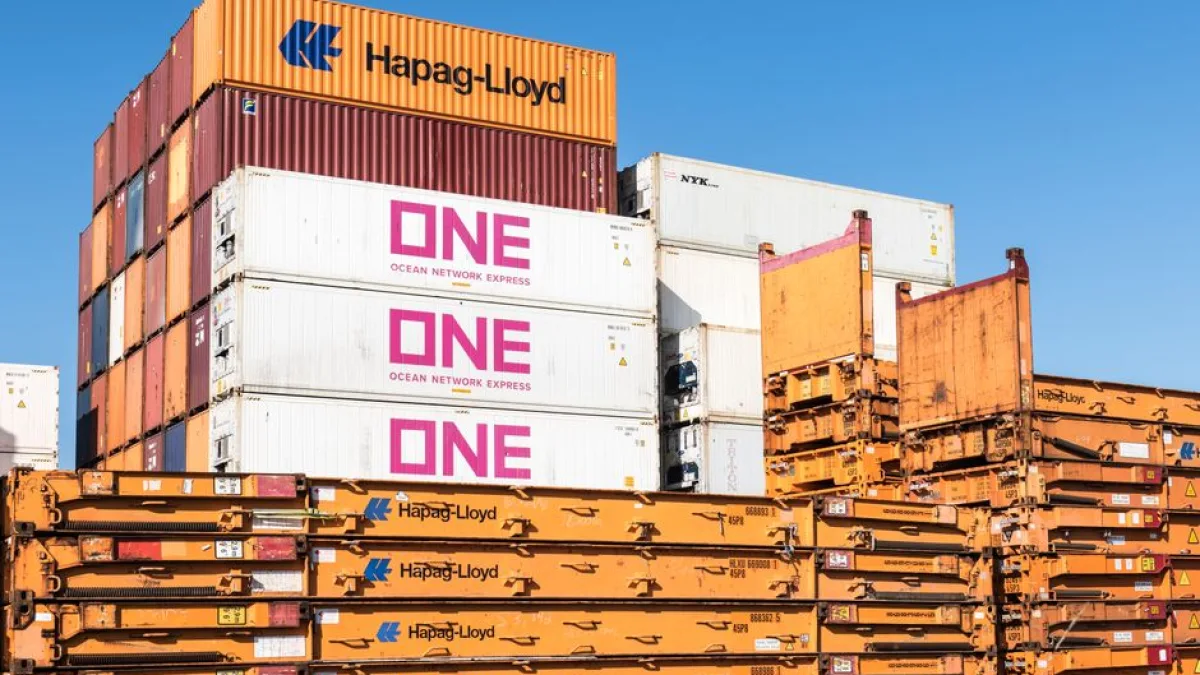
Visibility acts as the backbone of modern compliance efforts, allowing forwarders to monitor cargo status throughout the lifecycle. By integrating your platform with partner systems, you create a seamless chain of information that satisfies even the most rigorous customs inspections.
- Seamless system integration: Connect your software directly with customs portals to enable instant data verification, which speeds up clearance times for your high-value shipping customers.
- End-to-end cargo tracking: Maintain full oversight of shipments from origin to destination, ensuring that every movement is documented and accessible for audit purposes at any time.
- Vendor compliance monitoring: Track the performance and accuracy of your network partners to ensure they follow the same strict compliance standards as your internal staff.
- Encrypted data sharing: Protect sensitive client information while sharing necessary clearance documents with authorities through secure channels, ensuring total privacy and data protection for everyone.
Transparency within your supply chain is the most effective tool for building long-term confidence with both clients and border officials. When all parties have access to a single source of truth, the chance of misunderstanding or documentation errors decreases drastically. Integrating your systems leads to faster processing times and a reputation for excellence that will help grow your logistics business consistently.
Mitigating Risks Through Advanced Analytics

Risk mitigation strategies focus on identifying potential issues long before they escalate into serious problems. Modern analytical tools provide the deep insights necessary to refine your operations and maintain perfect standing with international customs boards across every region.
- Advanced risk modeling: Predict potential shipping delays or documentation issues by analyzing historical data patterns to proactively adjust your current operational workflows for better outcomes.
- Performance KPI tracking: Monitor key metrics related to customs clearance to identify areas where your team might need additional training or better technological support systems.
- Exception reporting tools: Detect anomalies in your data automatically, allowing for immediate corrective action that prevents minor mistakes from turning into major compliance violations during audits.
- Comprehensive audit reporting: Generate detailed compliance reports at the click of a button, providing authorities with the exact documentation they need to verify your operations.
Leveraging advanced analytics transforms your compliance strategy from a reactive burden into a proactive operational advantage. By understanding the underlying data of your freight movements, you can optimize processes to prevent costly errors and improve your overall bottom line. This analytical mindset ensures that your firm remains agile and prepared for the future challenges of the rapidly evolving international shipping environment.
Conclusion
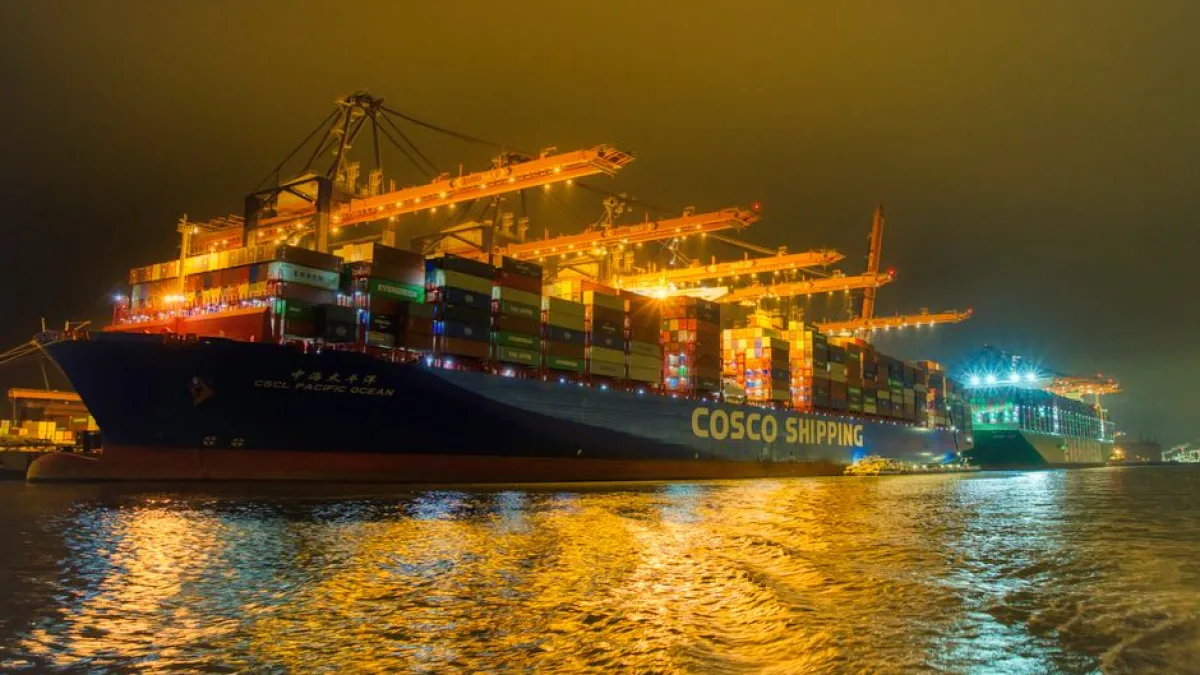
Achieving excellence in customs compliance requires a blend of updated digital tools, continuous learning, and a proactive approach to risk management. By implementing the strategies discussed in this guide, your freight forwarding firm will be well-positioned to handle regulatory complexities with confidence. Start optimizing your compliance workflows today by visiting the MakeCargo platform and discovering how our technology empowers your logistics success.