Mastering Customs Compliance in Modern Freight Forwarding
Sunday, August 2 2026
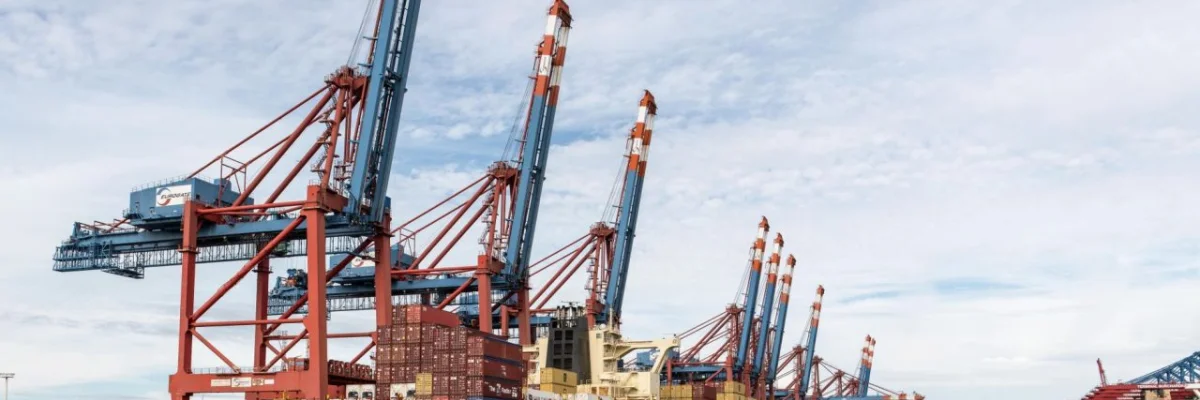
Navigating the complex landscape of international trade requires freight forwarders to maintain rigorous standards of customs compliance. As global regulations evolve and digital transformation reshapes the logistics sector, the margin for error diminishes significantly. A single documentation oversight can result in costly delays, severe financial penalties, or even the permanent loss of import privileges for your valued clients. By integrating automated software solutions and staying informed about changing jurisdictional mandates, forwarders can mitigate risks while enhancing operational transparency. This guide explores the foundational pillars of customs management to ensure your firm remains ahead of the curve in this challenging global marketplace.
Digital Documentation Precision

Electronic data interchange systems have revolutionized how customs documents are processed, allowing for faster clearance times and fewer manual errors. By leveraging modern cloud platforms, forwarders can ensure that every digital record remains accurate, traceable, and fully compliant with local authorities.
- Automated Entry Systems: Utilizing advanced software integration ensures that customs data flows seamlessly from your booking platform to government portals without requiring redundant manual entry or human intervention.
- Data Accuracy Standards: Maintaining high data integrity prevents discrepancies during the clearance process which often lead to extensive physical inspections and significant cargo hold times at borders.
- Real-time Audit Trails: Digital logs provide a permanent history of every modification made to your shipping documentation to ensure complete transparency during any future customs inquiries.
- Centralized Document Storage: Keeping all relevant trade certificates and invoices in a secure cloud environment facilitates instant retrieval whenever customs officials request proof of shipment compliance.
Adopting digital workflows is no longer optional for firms aiming to maintain competitive margins in today's fast-paced logistics environment. By minimizing reliance on traditional paper files, you eliminate common pitfalls that lead to processing bottlenecks. Investing in robust software solutions empowers your team to focus on strategic growth rather than troubleshooting basic documentation errors during critical transit windows for your global clientele.
Understanding Tariff Classifications

Accurate HS code assignment remains the bedrock of successful customs declarations, as incorrect classification leads to duty overpayments or severe penalties. Freight forwarders must ensure that their classification expertise is supported by sophisticated database tools to maintain precision across shipments.
- Precise Code Identification: Selecting the correct Harmonized System code is vital for calculating duties accurately and avoiding the administrative burden of retroactive tariff adjustments and financial corrections.
- Regulatory Update Monitoring: Customs authorities frequently adjust tariff schedules based on current trade agreements and local policies which requires constant vigilance to ensure your classification lists remain.
- Software Database Integration: Linking your logistics platform to live global tariff databases helps your team identify current tax rates and potential import restrictions with high precision.
- Exception Management Protocols: Having clear procedures for handling ambiguous product categories ensures that your staff applies consistent logic when navigating complex commodity classifications during the clearance process.
The complexity of tariff structures demands a systematic approach to ensure that your duty calculations are consistently accurate. Relying on outdated spreadsheets increases the likelihood of human error during intense shipping seasons. By automating the classification process and centralizing tariff data, your firm can provide reliable financial forecasting to clients while significantly reducing the risk of unexpected fines or cargo impounding.
Managing Import and Export Licenses
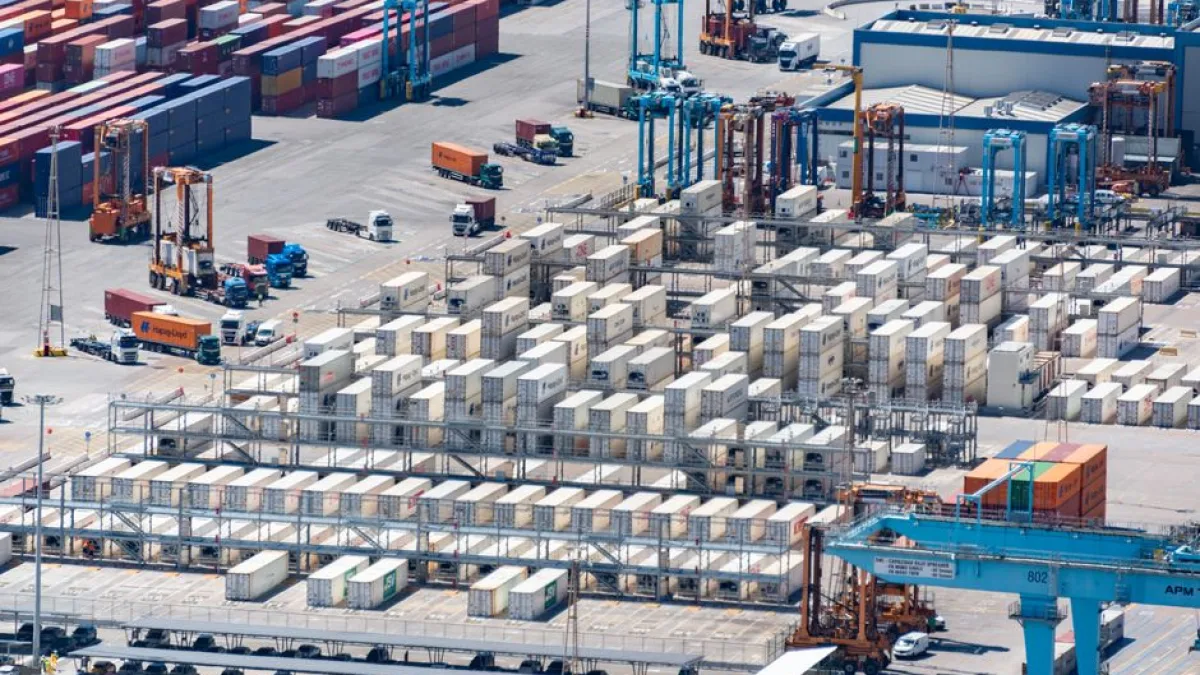
Securing the appropriate permits is essential for moving restricted goods across international borders without facing legal complications. Forwarders must actively manage licensing requirements to ensure every shipment adheres to specific product criteria while meeting the mandates of destination nations.
- Regulatory Permit Tracking: Developing a proactive system to monitor license expiry dates helps prevent urgent shipments from stalling at customs due to expired documentation or missing paperwork.
- Product Restriction Screening: Implementing automated checks against restricted items databases allows your team to catch prohibited goods early in the booking process before they reach borders.
- Verification of Credentials: Confirming the validity of importer certificates ensures that all trade partners are authorized to receive specific goods according to international trade protocols.
- Proactive Liaison Strategies: Building strong relationships with customs brokers and legal experts provides your team with valuable insights into changing licensing requirements for diverse global markets.
Maintaining a comprehensive permit database is a fundamental aspect of risk mitigation for modern logistics providers. When you streamline the management of licenses through integrated software, you ensure that no shipment leaves the dock without the necessary credentials. This proactive operational stance not only protects your firm from costly delays but also solidifies your reputation as a trusted partner in global trade.
Mitigating Trade Compliance Risks

Effective risk management requires a proactive mindset that addresses potential compliance threats before they manifest as operational failures. By fostering a culture of continuous learning and leveraging advanced analytical tools, freight forwarders can build resilient supply chains that withstand regulatory scrutiny.
- Internal Compliance Audits: Conducting regular internal assessments of your shipping processes helps identify potential weaknesses before they are discovered by government inspectors during formal compliance reviews.
- Staff Training Programs: Empowering your workforce with consistent training on international customs laws ensures that everyone involved in logistics operations understands their role in maintaining compliance.
- Vendor Compliance Management: Requiring your network of partners and carriers to follow standardized documentation procedures minimizes the risk of non-compliant data entering your own supply chain.
- Risk Mitigation Analytics: Using data dashboards to visualize trends in clearance delays can help your management team identify and fix recurring issues within specific trade routes.
Ultimately, a robust compliance framework serves as a major competitive advantage in a volatile global market. Companies that invest in regular audits and employee education are significantly better positioned to handle unexpected regulatory shifts without disruption. By making compliance a core pillar of your operational strategy, you effectively secure your business against avoidable legal risks while building long-term trust with your customers.
Conclusion
Maintaining excellence in customs compliance is an ongoing journey that requires precision, technology, and constant attention to regulatory changes. By adopting digital automation and fostering a proactive management culture, freight forwarders can effectively turn complex customs requirements into a streamlined operational asset. Start integrating these best practices today to protect your shipments, reduce your company risk profile, and provide superior service to your international clients.