Mastering Customs Compliance in Modern Freight Forwarding
Monday, August 3 2026
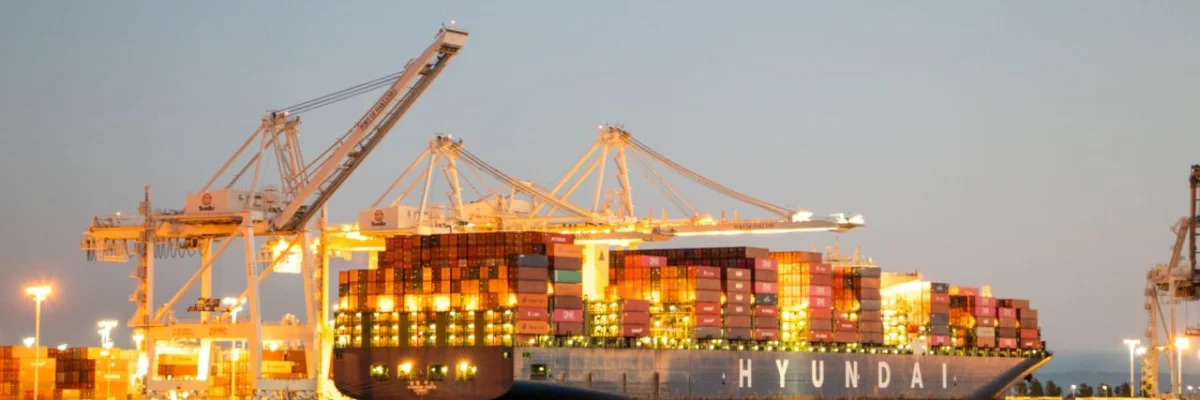
Navigating the complex landscape of international trade requires freight forwarders to maintain impeccable standards regarding customs and compliance. As global supply chains face increasing scrutiny from regulatory authorities, the margin for error has narrowed significantly. Staying ahead of evolving trade policies, tariff structures, and documentation requirements is no longer optional for firms aiming to scale their operations. By integrating robust digital processes and prioritizing accurate data management, logistics providers can effectively mitigate risk while accelerating cargo clearance times. This article explores essential strategies for enhancing compliance performance to ensure your brokerage remains agile, transparent, and fully prepared for the challenges of the modern shipping era.
Digital Documentation Precision

Modern customs compliance relies heavily on the accuracy of digital documentation. By transitioning from manual entry to automated data validation tools, freight forwarders can eliminate human error and ensure that every commercial invoice and packing list meets stringent international standards before reaching authorities.
- Automated Validation Checks: Systems now automatically flag missing data or incorrect tariff codes to ensure that documentation submitted to customs authorities is complete and error free upon initial submission.
- Standardized Data Entry: Implementing centralized software ensures that all team members input shipment details using uniform formats which significantly reduces the risk of misclassification and costly delays.
- Audit Trail Integrity: Maintaining a secure digital archive of every communication and document version provides a clear audit trail that simplifies compliance reviews during official customs inquiries.
- Cloud Based Collaboration: Enabling instant access for stakeholders allows exporters and customs agents to verify information in real time and solve discrepancies before cargo reaches the border.
- Real Time Notifications: Automated alerts keep teams updated on status changes and documentation requirements to ensure that shipments adhere to current regulations without unnecessary manual follow up.
Precision in digital documentation creates a foundation for smoother logistics workflows. By leveraging software that validates data at the point of origin, forwarders avoid common penalties and detentions. This proactive approach to data management transforms how firms handle complex customs filings. Ultimately, investing in digital accuracy is the most effective way to secure your reputation as a reliable partner in global supply chain logistics.
Tariff Classification Expertise

Classifying goods correctly is the bedrock of compliance. Even minor mistakes in HTS codes can lead to significant financial penalties, increased inspection rates, and potential legal exposure. Developing deep technical expertise in product classification protects your bottom line and maintains client trust.
- HS Code Accuracy: Assigning the correct Harmonized System code is vital for calculating duties accurately and preventing overpayments or legal challenges from national customs and border protection agencies.
- Advanced Research Tools: Utilizing sophisticated classification databases helps teams navigate complex regional regulations and identify specific tariff requirements based on the origin and destination of goods.
- Specialized Product Training: Regular training sessions equip staff with the knowledge to classify diverse items effectively which prevents common errors associated with ambiguous or highly specialized cargo items.
- External Expert Consultation: Engaging with trade attorneys or classification specialists provides a critical layer of defense when handling unique shipments that require detailed interpretation of tax regulations.
- Regulatory Update Tracking: Monitoring changes in tariff schedules via digital alerts ensures that your classification protocols remain current as global trade agreements shift throughout the year.
Mastering tariff classification requires constant diligence and a commitment to professional development. Freight forwarders must treat each classification decision as a high stakes task that impacts overall shipment viability. When you integrate expert tools and ongoing staff education, you reduce the risk of non compliance. A robust classification strategy ensures that your clients benefit from optimal duty rates and seamless border processing.
Risk Mitigation Strategies

Managing compliance risk involves anticipating potential bottlenecks before they disrupt your supply chain. Forwarders must adopt a holistic strategy that balances rigorous oversight with the need for speed, ensuring that all trade activities remain aligned with national and international legal requirements.
- Vendor Due Diligence: Performing background checks on all supply chain partners ensures that your firm avoids associations with entities that have a history of trade violations or sanctions.
- Sanction Screening Protocols: Deploying automated screening tools against global watchlists protects your operations from illegal trade activities and ensures compliance with ever changing international sanction and embargo lists.
- Internal Audit Cadence: Conducting scheduled internal reviews of operational processes helps identify potential compliance gaps that could be exploited or misinterpreted during a surprise inspection by local customs.
- Standard Operating Procedures: Developing comprehensive SOPs for customs clearance ensures that every team member follows the same legal guidelines which minimizes variation in how shipments are handled daily.
- Contingency Planning Protocols: Establishing clear response plans for potential compliance failures allows your team to react swiftly and resolve issues before they escalate into major port delays.
Strategic risk management is the most effective shield against the inherent unpredictability of international customs. By implementing a systematic approach to vendor screening and internal auditing, you fortify your operations against costly errors. These measures do not just ensure legal compliance, they establish your brand as a professional entity. Taking control of these risks allows you to navigate the global market with total confidence.
Technological Integration Benefits

Technology remains the greatest asset for the modern forwarder. By integrating your freight software with customs platforms, you create a unified environment where data flows freely, reducing the burden of manual reporting and improving transparency across your entire international logistics network.
- Unified Data Ecosystem: Connecting your freight platform with customs software ensures that shipment data remains consistent and accessible to all relevant parties throughout the entire logistics lifecycle.
- Automated Filing Solutions: Directly transmitting electronic manifests to customs authorities saves time and removes the need for manual paperwork which speeds up the overall cargo release process.
- Predictive Analytics Tools: Using data to identify trends in compliance issues helps managers address potential problems before they become systemic failures that could delay large scale shipments.
- API Driven Workflows: Integrating disparate systems through modern APIs allows for seamless communication between forwarders and authorities, creating a more efficient and responsive customs clearance experience today.
- Transparent Status Dashboards: Providing clients with live visibility into the customs clearance status builds trust and reduces the volume of repetitive inquiries that clog your support desk.
The shift toward integrated technology is a game changer for firms seeking growth. By linking your operational software with customs systems, you remove silos and gain unprecedented control over your data. This connectivity allows for faster processing and more accurate reporting. Ultimately, firms that prioritize technology will outperform competitors by offering superior speed, reliability, and compliance transparency in an increasingly complex global market.
Conclusion

Maintaining high standards of customs and compliance is essential for the longevity of any freight forwarding business. By embracing digital documentation, sharpening classification accuracy, managing risks through protocols, and integrating technology, you position your firm as a leader in global trade. These practices safeguard your operations, protect your clients from unnecessary delays, and build a reputation for excellence that drives sustained business growth.