Mastering Customs Compliance in Modern Freight Forwarding
Tuesday, August 4 2026
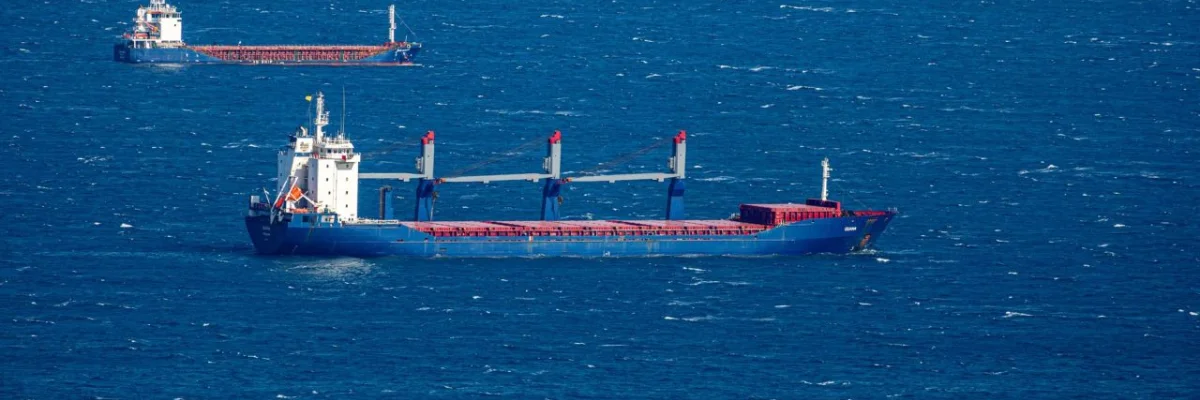
Navigating the complex landscape of global trade regulations requires precision, foresight, and robust digital infrastructure. As freight forwarding professionals, ensuring seamless cross-border movement demands a deep understanding of ever-changing customs mandates. A single administrative oversight can lead to significant delays, heavy financial penalties, and damaged client trust. By leveraging cloud-based platforms, forwarders can now automate tedious documentation processes, improve data accuracy, and maintain full visibility across the supply chain. This article explores essential strategies to optimize your compliance protocols, helping your logistics operations remain agile and competitive while successfully overcoming the persistent challenges of modern international trade requirements.
Digital Documentation Automation

Automating your documentation workflow removes the heavy burden of manual data entry and reduces the risk of human error in customs declarations. Integrating specialized software ensures that every piece of information remains consistent across all global shipping platforms and regulatory systems.
- Data accuracy boost: Automating the transfer of manifest data into customs filing systems eliminates typos that lead to costly shipments holds or regulatory investigations at international port terminals.
- Real time validation: Modern software platforms perform instant checks against regional tariff databases to ensure your cargo classifications are accurate before your shipment reaches the border.
- Cloud based storage: Keeping all essential export and import records in a secure cloud repository allows for instant retrieval during official audits or routine customs inspections.
- Reduced processing times: Digitizing your core workflow allows your internal team to focus on exception management instead of spending hours manually typing repetitive data into forms.
- Standardized data protocols: Implementing global electronic data standards ensures that your documentation remains readable and compliant for every international customs agency you interact with worldwide.
Adopting automated solutions transforms how your team handles high-volume document requests. By centralizing information, you create a single version of truth that simplifies communication between warehouse staff, carriers, and customs officers. This efficiency gain not only accelerates the clearance process but also minimizes the stress of peak shipping seasons, allowing your business to scale operations without sacrificing your stringent compliance standards or accuracy levels.
Tariff Classification Accuracy

Correctly classifying goods is the foundation of compliant customs declarations and effective duty management. Utilizing integrated product databases ensures that every item is coded correctly, preventing significant overpayments or underpayments that could trigger unwanted scrutiny from tax authorities.
- Global harmonization code: Using an automated look up tool ensures that your HS codes match the latest international standards to prevent shipment delays during border crossings.
- Duty rate optimization: Intelligent systems track fluctuating duty rates across various trade lanes to help your clients calculate total landed costs with extreme precision and transparency.
- Audit trail history: Maintaining a detailed log of every classification decision provides necessary evidence to protect your firm if your business faces a government tax audit.
- Vendor data integration: Syncing product data directly from your suppliers ensures that your classification labels remain consistent regardless of how many vendors you manage globally.
- Proactive alerts system: Receiving automated notifications about changing regulations for specific goods helps you adjust your shipping strategy before new trade policies impact your cargo.
Precision in classification is vital for maintaining a healthy relationship with customs authorities globally. By integrating smart lookup tools into your daily workflow, you protect your customers from unexpected costs and prevent common regulatory pitfalls. This proactive approach to duty management builds professional credibility, setting your freight forwarding company apart as a reliable expert capable of handling even the most complex cargo shipments.
Risk Mitigation Strategies

Proactive risk management is essential for identifying potential compliance issues before they escalate into expensive shipment delays. Utilizing data driven insights allows forwarders to spot anomalies in documentation or shipping patterns that might indicate a breach in regulatory security protocols.
- Automated security screening: Running all shipment parties against restricted party lists in real time prevents your firm from accidentally engaging with sanctioned entities or individuals.
- Shipment anomaly detection: Machine learning algorithms can identify irregular patterns in cargo weight or value that might trigger red flags during routine customs security checks.
- Supply chain visibility: Having full transparency across every movement of your cargo ensures that you remain in control of your freight from origin to destination.
- Third party verification: Digital platforms verify your subcontractors to ensure that every partner involved in your chain meets your strict internal compliance and security standards.
- Proactive compliance audits: Running internal health checks on your shipping data helps identify and correct mistakes before they evolve into systemic issues requiring government intervention.
Implementing a comprehensive risk strategy empowers your team to anticipate obstacles rather than just reacting to them. By leveraging digital tools to screen partners and track cargo, you minimize exposure to illegal shipments and financial fraud. This disciplined approach ensures your logistics operations remain secure and compliant, protecting your hard-earned reputation while allowing your business to thrive in a volatile international market.
Stakeholder Communication Efficiency

Streamlined communication is the glue that keeps complex customs processes together during busy shipping cycles. Effective information sharing between forwarders, brokers, and clients ensures that all parties remain aligned on the necessary requirements for smooth border transit and cargo delivery.
- Secure client portals: Providing your customers with direct access to their shipment status and customs documentation minimizes the need for endless email threads and phone.
- Instant notification alerts: Sending automatic status updates to all involved stakeholders ensures that everyone is aware of the exact moment a shipment clears customs.
- Unified messaging tools: Consolidating all shipping communications within your platform keeps every conversation recorded for future reference if a dispute regarding shipment requirements ever occurs.
- Customizable reporting templates: Generating professional reports for your clients simplifies the process of providing them with detailed insights regarding their overall customs compliance performance.
- Internal task delegation: Assigning specific documentation tasks to your team members within the software ensures that no critical deadline is missed during the customs filing.
Effective communication transforms the client experience by removing ambiguity from the customs process. When your customers have clear visibility into the status of their cargo, they are more confident in your ability to manage their freight effectively. By utilizing centralized messaging platforms, you foster long term trust and loyalty, turning standard logistics services into a premium partnership that drives consistent business growth.
Conclusion
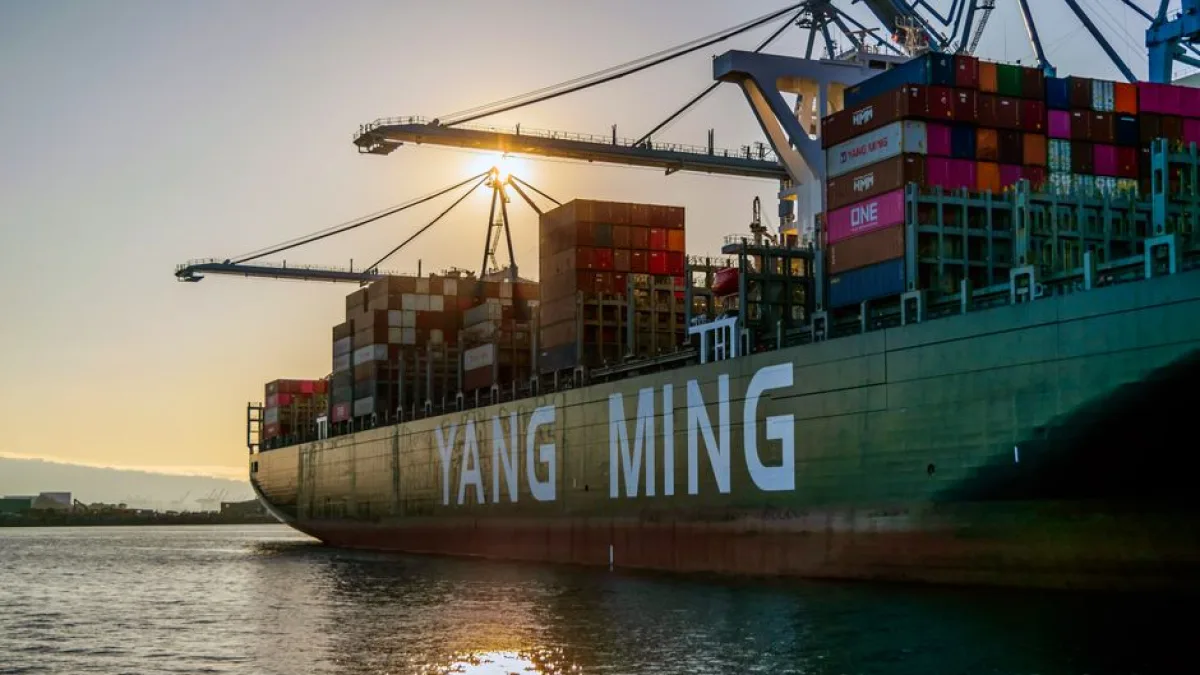
Successfully navigating customs and compliance is the hallmark of a professional freight forwarder. By integrating advanced software solutions, you can automate your documentation, sharpen your classification accuracy, mitigate risks, and enhance communication. These strategies empower your team to handle global trade complexities with confidence and efficiency. Embrace these digital tools today to secure your competitive advantage and ensure long term success in logistics.