Mastering Customs Compliance in Modern Freight Forwarding
Wednesday, August 5 2026
Navigating the complex landscape of global customs compliance remains one of the most significant challenges for modern freight forwarders. As international trade regulations evolve and border agencies demand greater transparency, firms must adopt robust strategies to avoid costly delays and severe penalties. Achieving total compliance requires a proactive approach, integrating digital solutions with deep expertise in tariff classification and documentation standards. By standardizing your internal customs processes and leveraging cloud-based platforms, you can ensure your operations remain resilient against shifting geopolitical tides while providing your clients with the seamless, reliable service they expect in an increasingly competitive global marketplace.
Automating Documentation Processes

Transitioning from manual data entry to automated documentation systems drastically reduces human error in customs declarations. Digital workflows allow freight forwarders to sync critical shipping data directly with customs portals, ensuring that every manifest and commercial invoice aligns perfectly with international regulatory requirements.
- Real-time Data Validation: Automated software checks your declarations against regional compliance rules before submission, preventing costly rejection notices from authorities and ensuring that your paperwork remains accurate every single time.
- Unified Document Storage: Centralizing your shipping files within a secure cloud environment creates a permanent audit trail, making it significantly easier to manage inspections or requests for supplemental information.
- Standardized Filing Workflows: By using pre-built templates for recurring trade routes, your team can maintain consistent reporting standards, which helps to mitigate risks associated with outdated or incorrect filing procedures.
- Integration With Customs: Modern API connections allow for seamless transmission of data to port authorities, minimizing manual intervention and accelerating the processing times for your high-priority international freight shipments.
Adopting automation is no longer an optional luxury but a fundamental necessity for competitive freight forwarding businesses. By minimizing manual input, you liberate your staff to focus on strategic client support instead of administrative burdens. This shift not only prevents expensive compliance errors but also improves your overall operational throughput, allowing your company to handle higher volumes of trade with increased confidence and precision.
Understanding Tariff Classification
Accurate tariff classification determines the duties and taxes applied to your goods, making it a cornerstone of compliant trade. Misclassification often leads to audits and financial penalties, highlighting the critical importance of keeping your team trained on current Harmonized System codes.
- Harmonized System Expertise: Maintaining a deep understanding of current Harmonized System codes ensures that your clients pay the correct duties, thereby avoiding potential fines for undervaluation or incorrect reporting practices.
- Proactive Classification Audits: Regularly reviewing your product database allows you to identify classification risks before they become issues, ensuring that your descriptions match the actual cargo being transported globally.
- Dynamic Regulatory Updates: Subscribing to automated alerts from customs authorities helps you track changes to tariff rates in real time, so your business always remains ahead of shifting market.
- Client Advisory Services: Positioning your firm as a source of classification knowledge adds immense value to your services, helping your customers navigate complex regulatory landscapes with professional and expert guidance.
Mastering the complexities of tariff codes builds long-term trust with both customs authorities and your international shipping partners. When you proactively manage classification accuracy, you protect your clients from unexpected duty hikes and regulatory scrutiny. Investing in ongoing education for your logistics coordinators is a strategic decision that pays dividends in operational efficiency and positions your forwarder as a reliable partner for global trade.
Managing Global Trade Regulations

Navigating varying regulations across different countries requires a sophisticated approach to global trade management. Forwarders must continuously monitor shifting legislation to ensure that shipments comply with both origin and destination requirements, regardless of how often trade laws might change globally.
- Cross-border Compliance Monitoring: Tracking legal developments in every territory you serve enables your team to adjust shipping strategies quickly, ensuring your cargo flows without unnecessary disruption or unexpected administrative hurdles.
- Import Control Compliance: Adhering to the specific security requirements of international agencies ensures that your shipments are screened and verified against global safety standards for all modes of transport.
- Restricted Party Screening: Implementing automated checks against international watchlists prevents your company from being involved in illicit trade, shielding your reputation and ensuring adherence to critical global sanctions programs.
- Value Added Tax: Maintaining accurate calculations for tax liabilities across different jurisdictions is vital for preventing delays, as fiscal authorities are increasingly strict about proper tax documentation for importers.
Global trade management is an ongoing task that demands constant vigilance and a robust framework for regulatory monitoring. By leveraging digital tools to track changing laws, your firm can navigate international shipping complexities with agility. This proactive stance ensures that your operations remain compliant regardless of the geopolitical environment, protecting your company and your clients from the severe risks associated with international trade violations.
Building Strong Audit Trails
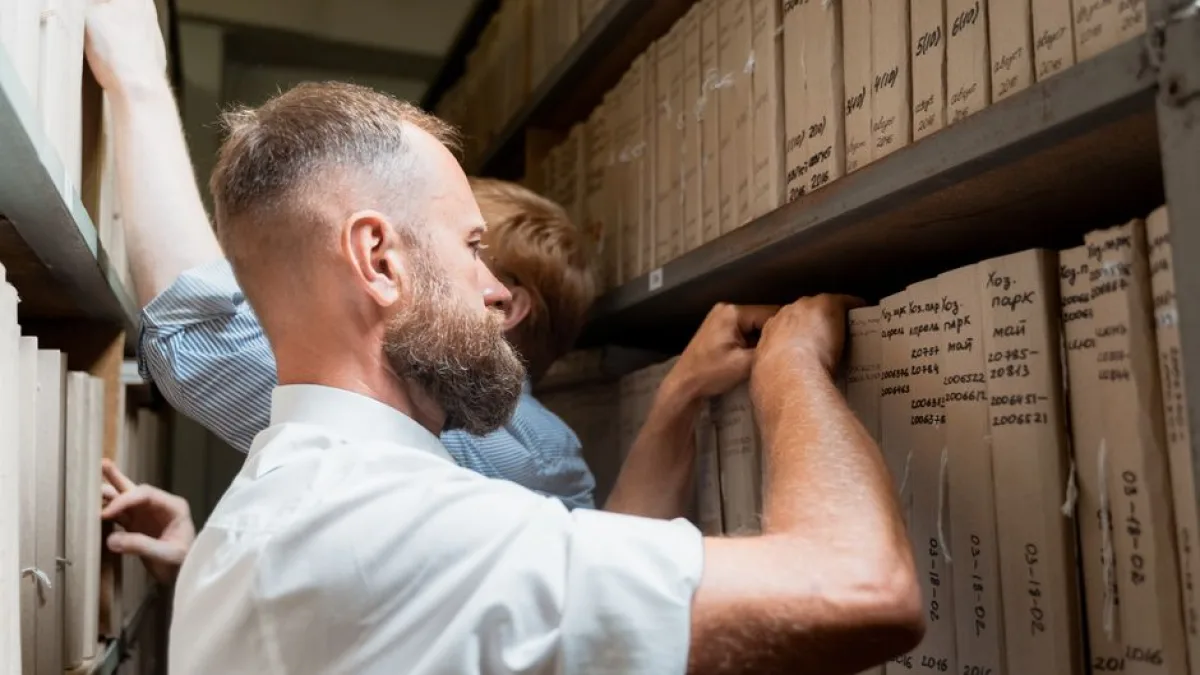
Maintaining comprehensive, accessible audit trails is essential for demonstrating compliance during government examinations. A well-organized digital repository allows you to retrieve documents instantly, proving your dedication to transparency and helping you resolve any discrepancies with customs officials in a timely manner.
- Detailed Shipment Logs: Keeping an extensive record of all correspondence and documents ensures that you can justify your actions during an audit, protecting your business from potential legal complications.
- Instant Retrieval Capabilities: High-speed document management systems enable your staff to pull historical records in seconds, which saves valuable time and resources during unexpected visits from border agencies.
- Secure Data Governance: Protecting sensitive cargo data with advanced encryption protocols demonstrates your commitment to security, ensuring that your firm remains a trusted partner in the global supply chain.
- Transparent Reporting Cycles: Regularly generating summary reports for your internal management team allows you to identify patterns in compliance, helping you refine your processes and minimize recurring shipment issues.
Building a transparent archive is the hallmark of a professional freight forwarder committed to excellence. When you maintain organized digital records, you transform compliance from a stressful obstacle into a seamless part of your daily routine. This level of organization not only satisfies regulators but also enhances your operational intelligence, allowing your business to scale while maintaining high standards of global trade compliance.
Conclusion
Successfully managing customs and compliance within the freight industry requires a synergy of skilled professionals and advanced digital tools. By prioritizing automation, accuracy in classification, and rigorous documentation, your organization can overcome regulatory hurdles and provide unmatched service to your clients. Stay informed, invest in technology, and maintain consistent standards to secure your place as a leader in the fast-paced global logistics market.