Mastering Customs Compliance: A Freight Forwarder Guide
Monday, August 10 2026
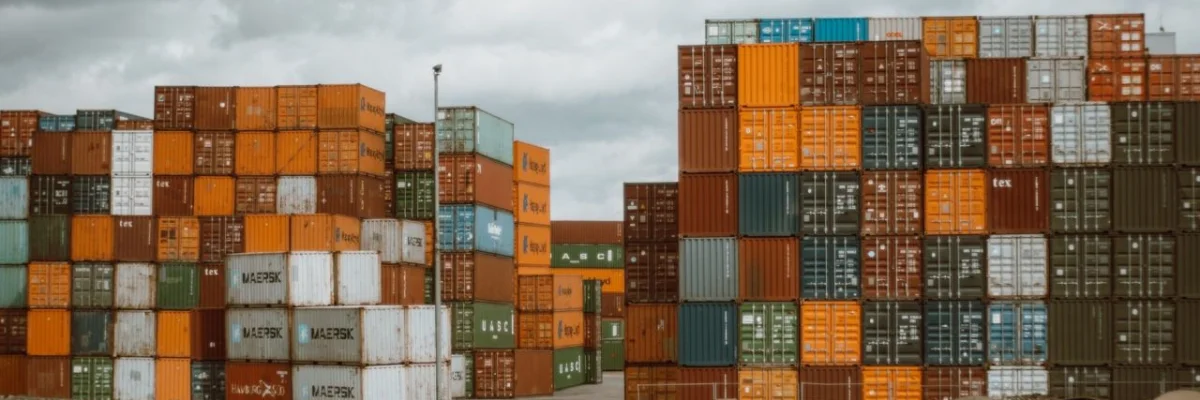
Navigating the complex landscape of international trade requires more than just logistical expertise. Freight forwarders must serve as the primary line of defense against customs non-compliance, which can lead to severe financial penalties and supply chain disruptions. As global regulations tighten and trade policies shift, the burden on logistics professionals to maintain accurate documentation and classification has never been higher. By leveraging modern cloud-based technology, forwarders can automate core compliance checks, ensuring that every shipment meets local and international standards. This guide examines the critical pillars of customs management to help your agency maintain integrity and operational efficiency in a competitive market.
Automated Classification Systems

Modern freight forwarding relies on precise tariff classification to ensure the correct duties and taxes are applied to imported goods. Using automated software reduces the risk of human error during the complex HS code selection process for varied international cargo shipments.
- Real-time database updates: Automated systems sync with global trade databases to ensure that your classification logic always reflects the most recent amendments to the Harmonized System tariff schedules.
- AI-powered code suggestions: Machine learning algorithms analyze product descriptions to recommend accurate HS codes, significantly minimizing the risk of misclassification and subsequent penalties during customs audits or inspections.
- Customized product profiles: You can store detailed product specifications within your cloud platform, allowing for rapid retrieval and consistent classification across every recurring shipment for your regular clients.
- Audit trail transparency: Every classification decision is logged with a timestamp and user ID, providing your team with an unalterable history for internal reviews or external regulatory inquiries.
- Error reduction strategies: Automated validation rules prevent users from processing entries that contain missing or invalid data, ensuring that only compliant documentation reaches customs authorities at the border.
By shifting to an automated classification model, your agency gains significant competitive advantages in speed and accuracy. These tools allow your team to process complex entries without the traditional manual bottlenecks that slow down clearance times. Maintaining a clean record of classifications prevents common compliance pitfalls and builds trust with customs officials, ultimately securing your reputation as a reliable and high-performing partner for your global clients.
Documentation Integrity Protocols
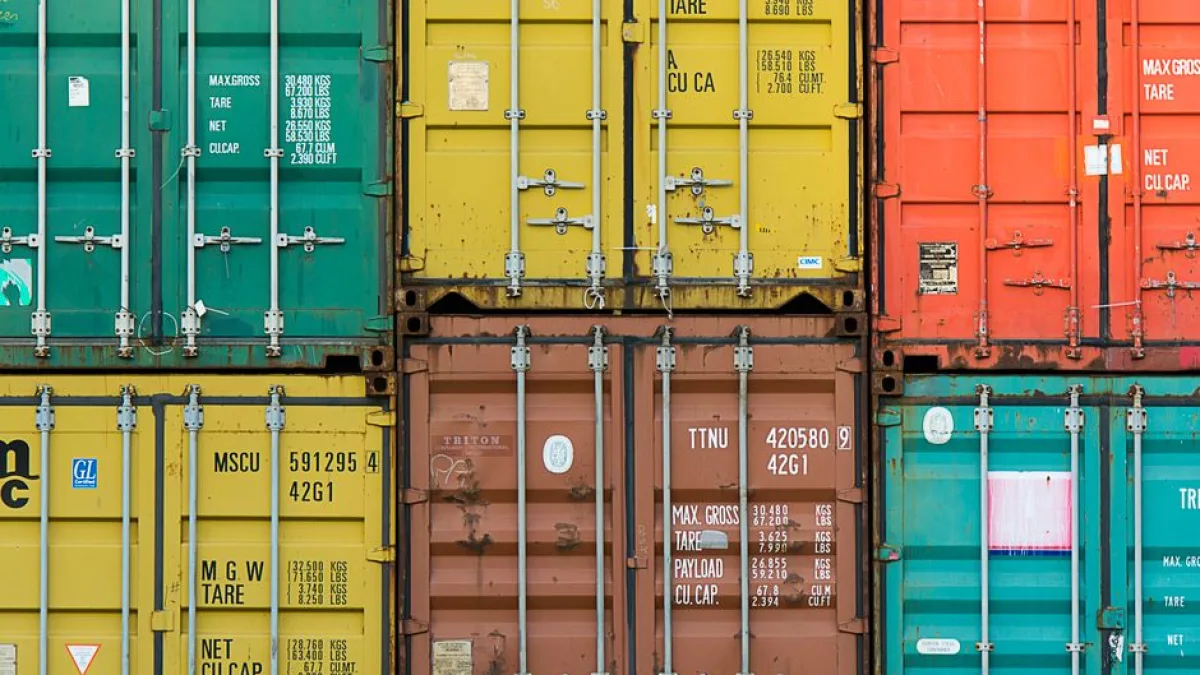
Standardized documentation is the backbone of efficient customs clearance. Forwarders must maintain rigorous protocols for managing bills of lading, commercial invoices, and certificates of origin to prevent delays and ensure full transparency throughout the entire cargo journey today.
- Integrated digital templates: Use standard templates embedded within your software to guarantee that every document captures the mandatory legal requirements specific to the destination country or region.
- Centralized document storage: Keeping all relevant trade documents in a single cloud repository ensures that your staff and authorized agents can access critical files from anywhere.
- Validation before submission: Automated workflows check for missing signatures or incorrect tax IDs before any document is electronically submitted to the customs agency or port authorities.
- Version control features: Advanced software tools track every modification made to a shipping document, ensuring that your team is always working on the latest, most accurate version.
- Secure sharing portals: Granting clients access to a secure portal allows them to upload necessary documents directly, reducing the back and forth via email and improving responsiveness.
Proper documentation management is not just about filing papers; it is about maintaining a complete evidence trail for regulatory bodies. When your processes are digitized, you reduce the risk of lost files and fragmented communications. This centralized approach ensures that your operations remain resilient against scrutiny, while simultaneously accelerating the speed at which your freight clears customs and enters the local supply chain ecosystem.
Risk Management and Audits

Risk management involves proactive monitoring and frequent internal audits to detect potential non-compliance issues before they escalate. By identifying weak points in your data flow, you can implement stronger safeguards that protect your company from high-cost regulatory fines.
- Automated risk scoring: Your software can assign risk scores to shipments based on origin, destination, and commodity type, highlighting high-priority items that require additional compliance documentation or inspection.
- Proactive audit triggers: Set up automated alerts that notify management when specific trade thresholds are met, ensuring that internal audits are conducted regularly according to corporate policies.
- Customs response monitoring: Capture and analyze feedback from customs authorities to identify recurring issues in your documentation, allowing you to refine your processes based on real evidence.
- Supply chain visibility: Enhanced tracking capabilities provide full visibility into your logistics network, helping you verify that your partners are following the same strict compliance standards.
- Compliance reporting tools: Generate detailed performance reports that summarize your compliance metrics, giving you clear insights into where your agency needs to improve its internal procedures.
Proactive risk management turns compliance from a reactive chore into a strategic asset for your freight forwarding business. When you continuously monitor your processes, you minimize the chance of unexpected disruptions that could damage your client relationships or company finances. Developing a culture of audit readiness ensures your team remains disciplined and prepared for any regulatory changes that may occur in the future.
Technology for Border Efficiency
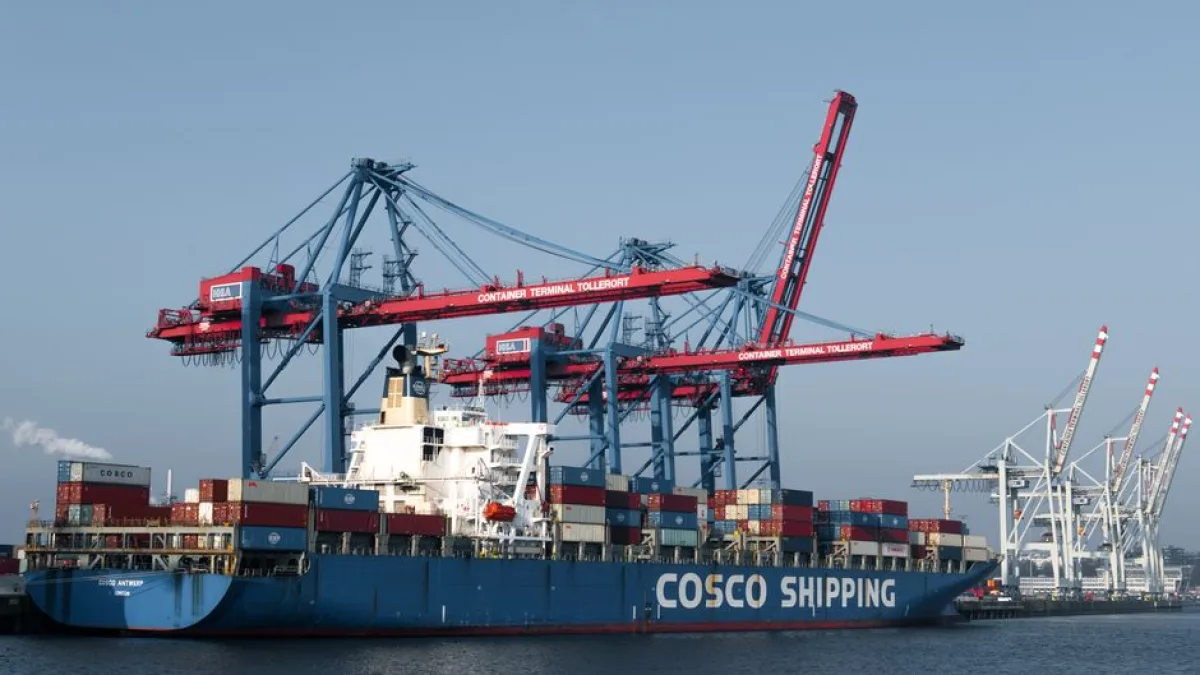
Integrating software directly with customs authorities creates a seamless flow of data that speeds up the release of goods. Technology serves as the bridge between your logistical operations and government systems, ensuring that trade remains both secure and efficient.
- Direct EDI integration: Establish direct electronic data interchange links with customs agencies to submit filings instantly, reducing the reliance on legacy manual entry methods and physical paperwork.
- Real-time status updates: Receive automatic notifications regarding the release status of your cargo, allowing you to inform your clients immediately and optimize local transportation scheduling effectively.
- Multi-country support: Cloud-based platforms offer specialized modules for different nations, enabling you to manage diverse customs requirements through one single, intuitive software interface for all regions.
- Data synchronization tools: Ensure that information entered into your freight software perfectly matches the data submitted to border agencies, preventing discrepancies that often lead to cargo holds.
- Scalable cloud infrastructure: As your business grows, your digital tools adapt to handle higher volumes of trade entries without requiring additional physical resources or manual labor.
Embracing technology to facilitate border efficiency is essential for the modern freight forwarder who wants to remain relevant. By automating the communication between your platform and customs systems, you eliminate redundant tasks and create a faster clearance cycle for your clients. This technological edge defines the most successful agencies in the industry today, setting them apart through reliability, speed, and superior service excellence.
Conclusion

Mastering customs compliance is a vital component of success for any modern freight forwarding agency. By adopting robust digital systems and maintaining a strong commitment to accurate documentation, your team can navigate complex regulatory environments with confidence. Focus on automating your classification and documentation processes to drive operational excellence. MakeCargo provides the tools you need to simplify your compliance strategy and scale your business efficiently.