Mastering Customs Compliance in Modern Freight Forwarding
Tuesday, August 11 2026
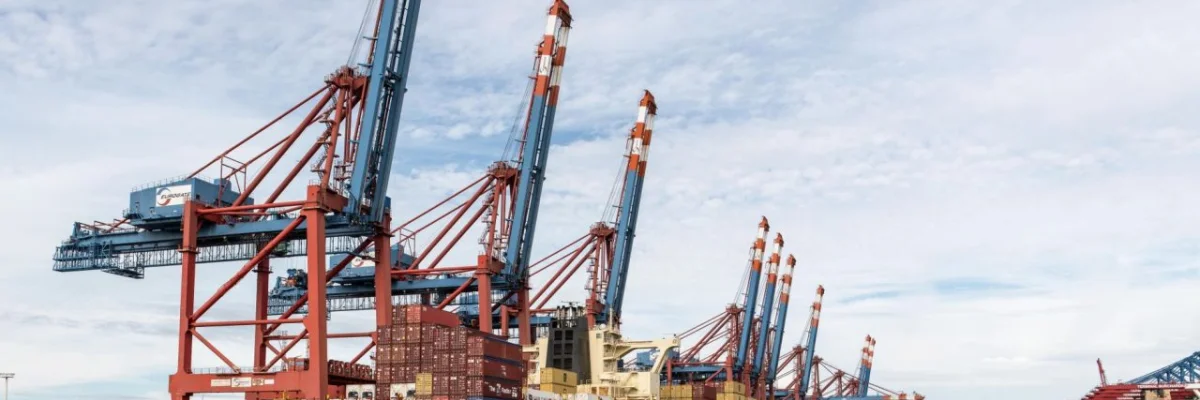
Navigating the complex landscape of international trade requires a meticulous approach to customs compliance that modern freight forwarders cannot afford to overlook. As global supply chains face increasing scrutiny from regulatory authorities, the risk of delays, heavy fines, and reputation damage remains a constant threat to logistics operations. By leveraging cloud-based technology and staying ahead of evolving trade policies, forwarders can transform compliance from a stressful administrative hurdle into a competitive advantage. This guide explores the essential pillars of maintaining seamless cross-border operations while ensuring that every shipment meets the rigorous standards demanded by global customs agencies today.
The Critical Role of Documentation

Accurate documentation serves as the backbone of every successful cross-border transaction in the logistics industry. When paperwork lacks precision or detail, shipments often face significant delays at the border, leading to increased storage fees and frustrated clients who expect timely delivery of their goods.
- Commercial Invoice Accuracy: Ensure that every commercial invoice clearly states the transaction value, detailed product description, and currency to prevent unnecessary audits by customs officials at the entry port.
- Precise Packing Lists: Detailed packing lists provide customs brokers with the weight, volume, and quantity data necessary to verify shipment integrity against the filed electronic manifests immediately.
- Harmonized System Codes: Assigning the correct HS codes is vital because incorrect classifications lead to improper tax assessments and potential regulatory penalties during the formal customs clearance process.
- Country of Origin: Clearly identifying the origin of goods is non-negotiable for trade agreements, as this information determines applicable duty rates and essential preferential tariff treatment eligibility.
- Digital Record Keeping: Maintaining a centralized digital repository for all customs forms ensures your team can retrieve critical documentation instantly during any unexpected regulatory or government inspections.
Adopting automated digital systems allows forwarders to eliminate manual entry errors that often lead to non-compliance issues. By integrating documentation workflows directly into your freight software, your team gains real-time visibility into the status of every filing. This level of oversight reduces the likelihood of manual oversight, keeps shipments moving smoothly across borders, and enhances the overall trust you build with global trade partners.
Navigating Changing Trade Regulations

Global trade regulations are in a constant state of flux, influenced by geopolitical shifts and new sustainability mandates. Freight forwarders must remain agile, proactively monitoring legislative updates to adjust their operational strategies before these changes negatively impact client shipments or result in penalties.
- Proactive Regulatory Monitoring: Establish a dedicated process for tracking government updates, ensuring that your operational procedures always align with the most recent international trade laws and requirements.
- Software Update Cycles: Utilize cloud-based platforms that automatically update to reflect current tariff schedules and reporting requirements, removing the burden of manual research from your employees.
- Staff Training Programs: Conduct regular internal training sessions to ensure every team member understands how new trade regulations affect daily tasks and high-level shipping strategy.
- Risk Management Assessments: Perform frequent risk audits to identify potential gaps in your compliance strategy, allowing you to mitigate issues before they escalate into formal disputes.
- Client Advisory Services: Position your firm as an expert by proactively informing clients about upcoming trade policy changes that may affect their specific industry or supply chain.
Staying informed about regulatory developments prevents reactive firefighting and establishes your company as a reliable leader in the logistics space. When you demonstrate a deep understanding of the legal landscape, clients feel more secure delegating their international shipments to your team. Continuous learning keeps your operations lean, compliant, and ready to navigate even the most challenging shifts in global trade policy requirements.
Leveraging Technology for Visibility
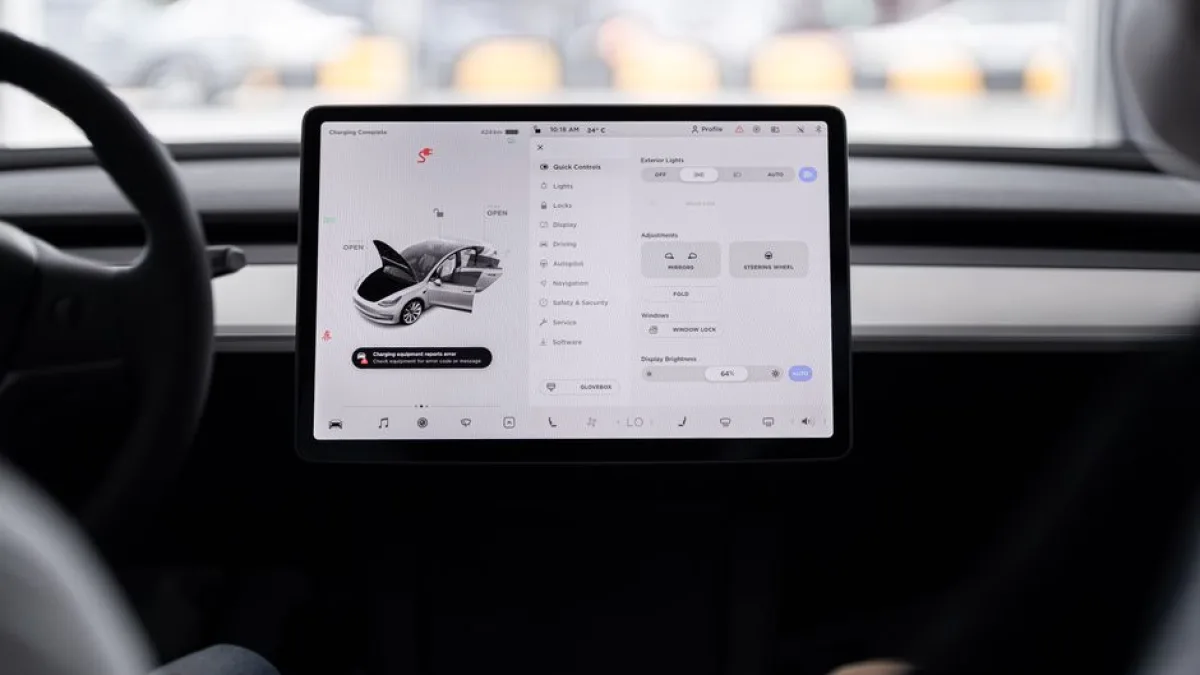
Modern cloud technology provides the visibility required to manage complex customs workflows efficiently. With real-time tracking and automated alerts, freight forwarders can identify bottlenecks in the clearance process, resolve discrepancies faster, and provide clients with accurate, transparent updates throughout the entire lifecycle of a shipment.
- Automated Data Validation: Use smart freight software to validate information against customs databases in real time, catching errors before files are submitted to the regulatory authorities.
- Centralized Cloud Portals: Create a single source of truth where all relevant parties can access current customs data, reducing communication silos that cause costly operational delays.
- Real-time Tracking Alerts: Set up automated notifications to alert your team immediately when a shipment is flagged for inspection or stuck in a customs clearance hold.
- Integrated Customs Declarations: Simplify your workflow by using platforms that facilitate direct electronic filing of customs declarations to government portals, drastically reducing processing times for cargo.
- Actionable Analytics Reporting: Generate comprehensive reports on clearance performance to identify recurring issues, helping your team refine internal processes and improve long-term customs compliance results consistently.
Technological integration serves as the ultimate catalyst for operational efficiency in the modern era of logistics. By moving away from legacy manual processes, your firm can handle higher shipment volumes without sacrificing the quality of your compliance efforts. Real-time data visibility empowers your staff to make data-driven decisions that save time and money, ultimately securing a significant edge in a highly competitive market.
Building Strong Partnerships

Cultivating strong relationships with customs brokers and regulatory agents is an often overlooked aspect of effective compliance management. These professional connections facilitate better communication, faster dispute resolution, and a deeper understanding of how to handle specific cargo types through diverse customs borders worldwide successfully and legally.
- Trusted Broker Networks: Build long-term partnerships with reputable customs brokers who possess specialized knowledge in specific regions, ensuring expert handling of your complex international trade shipments.
- Regular Review Meetings: Schedule consistent check-ins with your logistics partners to evaluate clearance performance, discuss process improvements, and address any recurring bottlenecks in the supply chain.
- Clear Communication Channels: Establish direct lines of communication with local customs authorities whenever possible to foster professional relationships that can simplify future clearance and auditing processes.
- Vendor Compliance Programs: Implement strict compliance standards for all third-party vendors, ensuring that everyone in your extended network adheres to the same high ethical standards.
- Transparent Performance Tracking: Use clear metrics to measure the effectiveness of your partners, rewarding high performance while working collaboratively to improve any areas of service failure.
Strong partnerships are essential for overcoming the unpredictable challenges inherent in global freight movement. When you treat customs brokers as strategic allies rather than just service providers, you create a support system that acts quickly during times of disruption. These robust professional relationships provide the stability necessary for your business to scale operations, ensuring that compliance standards remain consistently high across all borders.
Conclusion
Achieving excellence in customs compliance requires a blend of advanced technology, proactive policy management, and strong professional relationships. By prioritizing these elements, freight forwarders can effectively minimize risks, avoid costly delays, and deliver superior service to their global clients. Start integrating these best practices into your daily operations today to build a more resilient, compliant, and successful business within the modern logistics landscape.