Mastering Customs Compliance in Modern Freight Forwarding
Thursday, August 13 2026

Global trade complexity is rising at an unprecedented pace, leaving freight forwarders to navigate a labyrinth of international regulations and shifting tariff landscapes. Maintaining rigorous customs compliance is no longer just an operational requirement; it is a vital competitive advantage that protects your bottom line and safeguards your reputation. By integrating advanced digital solutions, forwarders can transition from reactive troubleshooting to proactive management. This article examines the essential pillars of modern compliance, helping you mitigate risk, avoid costly delays, and ensure seamless cross-border logistics movements that keep your clients satisfied and your business operations running efficiently during turbulent market cycles.
Understanding Regulatory Landscapes

Navigating the intricate web of international trade regulations requires a deep understanding of local and cross-border mandates. Staying updated on legislative changes ensures your documentation remains flawless throughout every transit phase, preventing unnecessary audits and protecting your organization from heavy government fines.
- Automated Tariff Classification: Leverage advanced classification software to determine accurate HS codes, reducing the risk of human error and ensuring that your duty calculations are consistently precise and legally compliant.
- Regional Trade Agreements: Stay informed about evolving free trade agreements that allow your clients to benefit from preferential duty rates, providing them with a significant financial edge during shipping.
- Sanction List Screening: Implement real-time monitoring of restricted parties to prevent illegal shipments, ensuring your logistics network remains transparent and fully aligned with international security and trade laws.
- Documentation Accuracy Protocols: Establish strict verification workflows for commercial invoices and packing lists to avoid discrepancy penalties that often trigger intensive customs examinations and extended cargo dwell times.
Proactive monitoring of global trade policies allows you to anticipate potential disruptions before they impact your supply chain. By centralizing regulatory data within your freight management software, you create a single source of truth for your entire team. This consistency minimizes the risk of manual entry errors and ensures that every shipment adheres strictly to destination requirements, ultimately fostering trust with both customs authorities and customers.
Digital Transformation in Compliance

Transitioning from paper-heavy workflows to digital platforms is critical for modernizing your compliance operations. Cloud-based tools provide real-time visibility, ensuring that every piece of customs data is accessible, auditable, and secured against potential data breaches or common processing errors.
- Cloud Document Management: Store and organize all customs-related documentation in a secure cloud environment, facilitating quick retrieval during inspections and ensuring that your historical records remain organized and accessible.
- Data Synchronization Tools: Ensure seamless integration between your forwarding platform and customs filing systems, reducing redundant data entry tasks that frequently lead to inconsistencies and shipment delay issues.
- Automated Compliance Alerts: Receive instant notifications regarding changes in import requirements, allowing your team to adjust operational processes dynamically and maintain full compliance without manual research or delays.
- Audit Trail Functionality: Maintain a transparent log of all changes made to your shipment declarations, which provides undeniable proof of due diligence in the event of an official customs inquiry.
Digital tools empower your team to work faster and with greater confidence. By automating repetitive administrative tasks, your staff can focus their energy on managing complex exceptions that truly require human intervention. This strategic shift not only reduces operational overhead but also significantly improves the overall speed of your customs brokerage processes, enabling your freight forwarding business to scale effectively in competitive markets.
Managing Risk and Liabilities
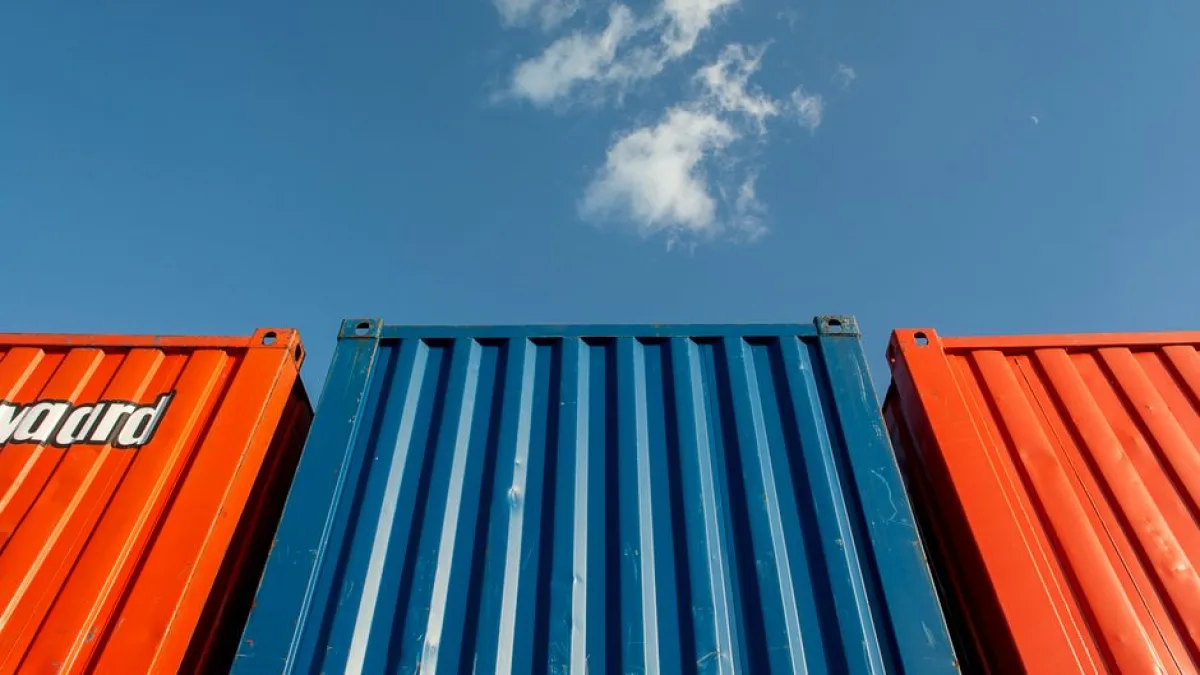
Risk management involves identifying potential bottlenecks in your customs process before they escalate into expensive delays. By implementing standardized assessment procedures, you can pinpoint vulnerabilities in your current documentation workflows and take decisive action to fortify your compliance framework.
- Shipment Risk Assessment: Utilize data analytics to identify high-risk shipments that may require extra scrutiny, allowing you to proactively resolve potential issues before the cargo reaches the border.
- Supplier Vetting Processes: Verify the legitimacy and compliance history of your international partners to ensure that your supply chain remains robust, transparent, and shielded from external liability risks.
- Liability Insurance Optimization: Work with customs experts to ensure your shipping terms and insurance policies cover specific regulatory risks, providing a financial safety net against unforeseen compliance costs.
- Periodic Internal Audits: Conduct regular internal reviews of your customs filing records to identify patterns of error, enabling you to refine your processes and maintain high compliance standards.
Mitigating risk is essential for protecting your forwarder reputation and ensuring long-term financial stability. When you document every step of your compliance process, you demonstrate a commitment to excellence that clients highly value. This proactive stance not only prevents fines and shipping delays but also positions your company as a reliable partner capable of handling the most challenging international trade requirements with ease.
Future Proofing Your Operations

Looking toward the future, the integration of artificial intelligence and machine learning will redefine how freight forwarders approach customs compliance. Preparing your team for this technological shift now will ensure you remain ahead of industry trends and regulatory updates.
- Predictive Compliance Analytics: Apply machine learning models to forecast potential customs delays based on historical data, enabling your team to reroute or expedite shipments for better efficiency.
- Artificial Intelligence Training: Invest in regular team training to ensure your staff understands how to use emerging AI-driven tools effectively for managing complex customs declarations and documentation.
- Scalable Cloud Infrastructure: Choose software platforms that grow alongside your business, ensuring that your compliance tools remain compatible with new international data reporting standards and evolving digital requirements.
- Collaborative Industry Networks: Participate in professional customs forums to share insights and stay abreast of upcoming trade regulations that will likely impact your global shipping strategy tomorrow.
Adopting a future-focused mindset allows you to turn compliance into a strategic asset rather than an administrative burden. By continuously evaluating your processes and embracing new technology, you ensure that your logistics operations remain resilient against market changes. Investing in robust, scalable solutions today prepares your business to handle future volume growth and regulatory demands, ensuring a smooth path to sustainable professional success.
Conclusion
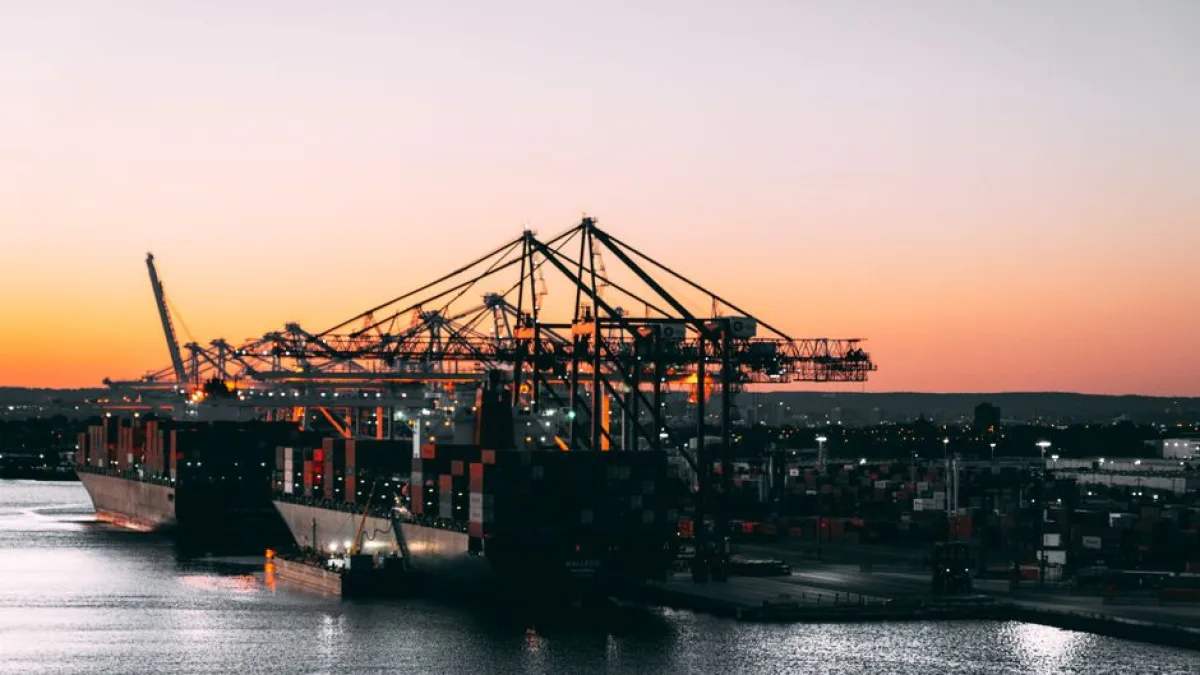
Mastering customs compliance is a continuous journey that requires dedication to accuracy and the adoption of modern technology. By centralizing your data and staying updated on regulatory shifts, you protect your business and enhance your service quality. Embrace these digital tools today to streamline your operations and ensure that your freight forwarding company stays fully compliant in an increasingly complex global marketplace environment.