Mastering Customs Compliance in Modern Freight Forwarding
Thursday, August 13 2026
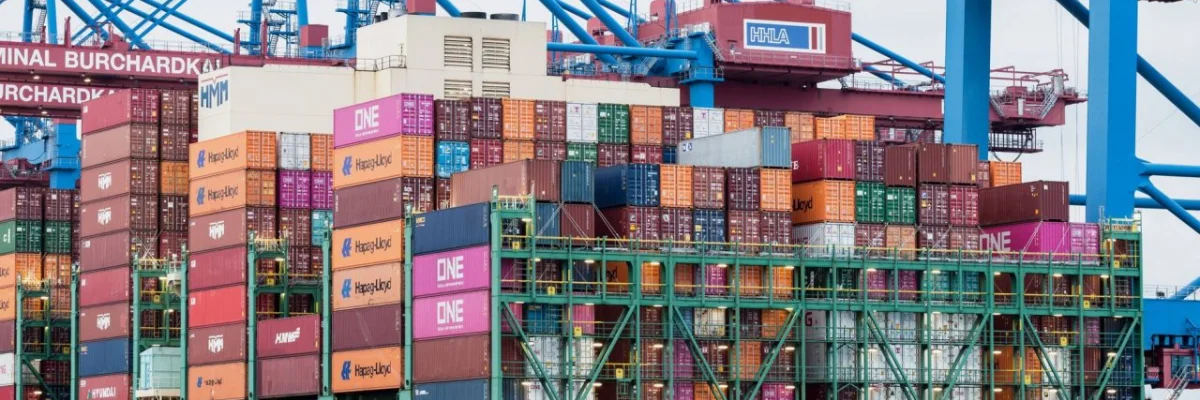
Navigating the complex landscape of global trade requires a sophisticated approach to customs compliance that goes beyond mere document filing. As international regulations shift and supply chains become increasingly volatile, freight forwarders must prioritize precision, transparency, and technology to mitigate risks. Staying ahead of changing tariff structures and import requirements is essential for maintaining operational efficiency and avoiding costly penalties. By integrating automated software solutions into daily workflows, businesses can transform their compliance processes into a strategic advantage, ensuring seamless cross-border movements while building trust with clients and customs authorities across the diverse international shipping network.
Understanding Regulatory Compliance Frameworks

Effective compliance starts with a deep understanding of the diverse regulatory frameworks governing international shipments. Mastering these rules ensures that cargo moves through borders without unnecessary delays or legal entanglements, protecting your reputation and your bottom line effectively today.
- Tariff Classification Accuracy: Assigning the correct Harmonized System codes is critical for determining accurate duties and taxes, preventing significant financial discrepancies during the final customs declaration process for clients.
- Export Control Laws: Freight forwarders must strictly monitor restricted party lists and dual-use goods to ensure that shipments do not violate international security agreements or national trade sanctions.
- Documentation Integrity Standards: Maintaining a rigorous system for verifying commercial invoices and packing lists helps eliminate human errors that often lead to customs audits or cargo seizures.
- Regional Trade Agreements: Leveraging specialized knowledge of free trade agreements allows your logistics company to optimize duty savings for clients while adhering to strict rules of origin.
Mastering these regulatory frameworks requires ongoing education and a proactive mindset toward changes in international trade law. When your team stays informed about specific country requirements, they act as reliable advisors rather than just service providers. This level of expertise reduces friction at border crossings and establishes your firm as a leader in the industry, ultimately fostering long-term relationships with global shipping partners.
The Role of Digital Automation

Manual processes are the leading cause of errors in the modern shipping industry. By utilizing cloud-based software, freight forwarders can automate repetitive tasks, ensure data consistency across multiple platforms, and significantly improve their overall compliance posture during high-volume periods.
- Real-time Data Syncing: Automated systems ensure that customs brokers have access to the latest shipment data, minimizing discrepancies between manifest information and actual cargo contents upon arrival.
- Automated Validation Rules: Smart software flags missing information or incorrect formatting before submission, reducing the likelihood of rejected entries from national customs agency processing systems globally.
- Digital Document Storage: Secure cloud repositories provide an audit-ready trail of all shipping documentation, making it easy to retrieve records when requested by tax authorities.
- Integration With APIs: Connecting your logistics platform directly to customs databases provides instant feedback on submission status and accelerates the clearance process for time-sensitive air shipments.
Digital transformation is no longer optional for firms aiming to maintain a competitive edge in international logistics. By implementing robust automated workflows, your team spends less time on tedious manual entry and more time on high-value tasks. This shift not only improves accuracy but also scales your capacity, allowing your business to handle larger volumes without increasing the risk of compliance failures.
Building Robust Risk Management Strategies

Proactive risk management is the cornerstone of a sustainable freight forwarding business. Identifying potential threats before they materialize allows for better planning, ensuring that your operations remain resilient even when facing unexpected changes in global trade policies or logistics.
- Vendor Compliance Audits: Regularly assessing the reliability of your sub-contractors and partner agents ensures that every link in the supply chain adheres to your internal standards.
- Sanctions Screening Protocols: Implementing automated screening tools helps your staff quickly verify the identity of all parties involved in a shipment against updated international watchlists.
- Incident Reporting Systems: Creating a standardized method for logging compliance breaches allows management to identify systemic issues and implement corrective actions that prevent future occurrences.
- Crisis Response Planning: Developing clear internal procedures for handling cargo holds or customs queries ensures that your team remains calm and efficient during unexpected delays.
When you build a culture of compliance, you create a buffer against the inherent risks of global trade. By empowering employees to prioritize safety and accuracy, your firm significantly lowers its exposure to potential fines and legal repercussions. Investing in comprehensive risk management strategies today provides the necessary stability to navigate tomorrow's unpredictable logistics environment with confidence and consistent performance for your clients.
Optimizing Workflow for Border Clearance
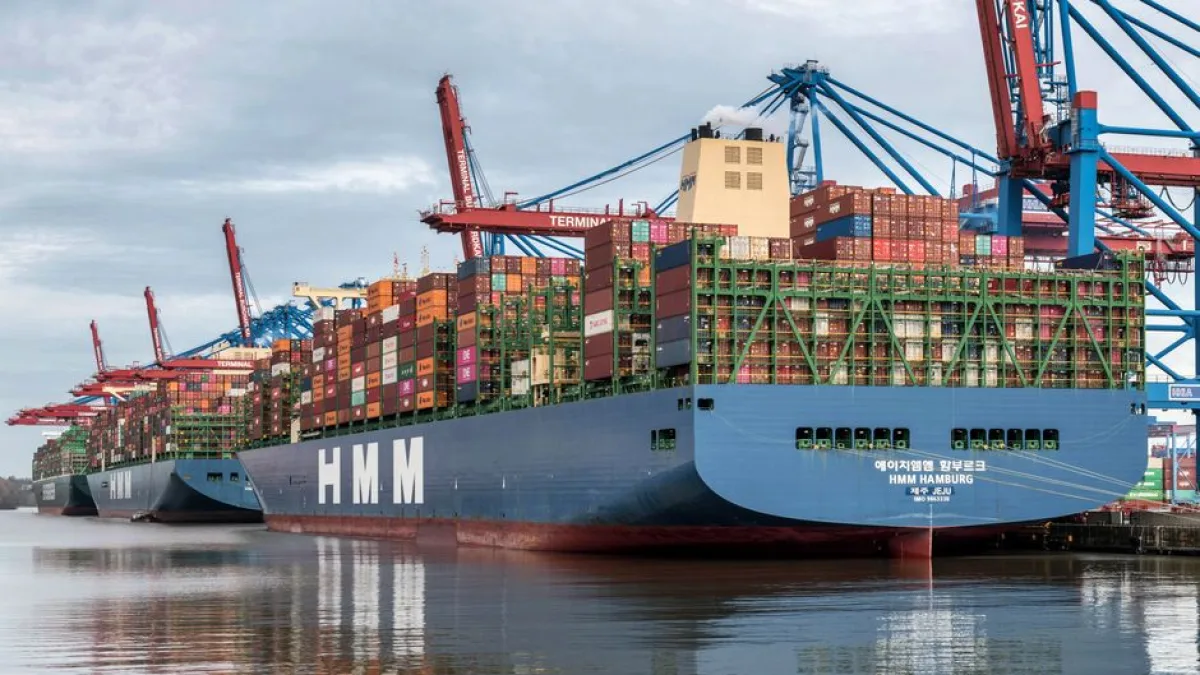
Efficiency at the border is largely determined by the quality of preparation performed weeks before the shipment arrives. Optimizing your workflow ensures that all stakeholders are aligned, documentation is perfect, and potential issues are identified long before they escalate into delays.
- Pre-Clearance Filing Procedures: Submitting required paperwork ahead of cargo arrival facilitates faster movement through ports, significantly reducing storage costs and demurrage charges for the end recipient.
- Effective Communication Channels: Establishing clear lines of communication between warehouse staff, brokers, and clients ensures that any missing documentation is sourced quickly to expedite clearance.
- Standardized Operational Procedures: Creating detailed manuals for your customs teams ensures that every shipment is handled with the same high level of accuracy and professional rigor.
- Continuous Process Evaluation: Regularly reviewing your clearance cycles helps identify bottlenecks where speed is compromised, allowing for iterative improvements that keep your logistics chain running smoothly.
Streamlined border clearance is the ultimate measure of a successful freight forwarding operation. By focusing on meticulous preparation and clear communication, your team can guarantee faster transit times and a superior experience for your customers. When you eliminate common obstacles through process optimization, you demonstrate your commitment to excellence, which is the key to maintaining a strong reputation in this highly competitive industry.
Conclusion

Navigating the complexities of customs and compliance is an ongoing journey that requires dedication, the right tools, and an expert approach. By embracing automation, robust risk management, and streamlined workflows, freight forwarders can effectively overcome trade barriers. Visit the MakeCargo platform today to learn how our software solutions help you maintain perfect compliance and scale your global operations with complete professional confidence.