Mastering Customs Compliance in Modern Freight Forwarding
Friday, August 14 2026
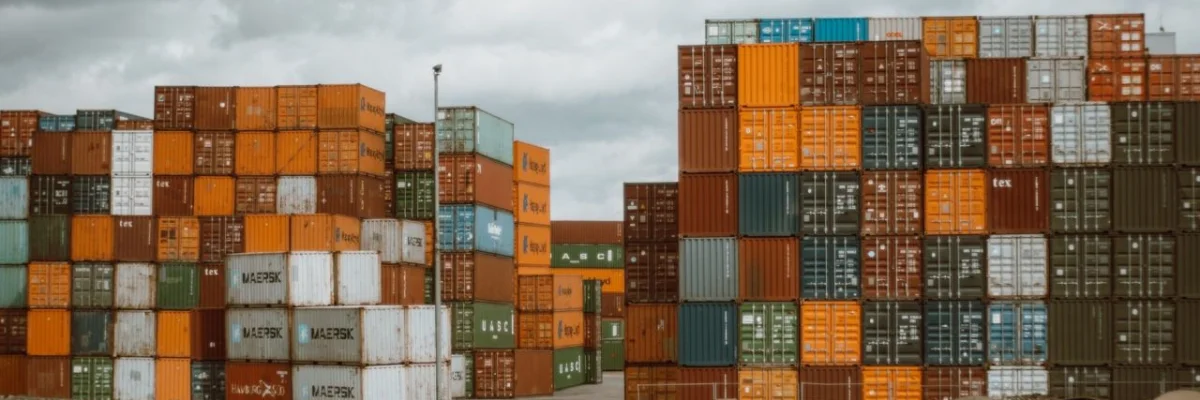
Navigating the complex landscape of international trade regulations requires absolute precision and constant vigilance from freight forwarding professionals. As global supply chains grow increasingly interconnected, customs authorities are implementing stricter digital reporting requirements and tighter border controls. For logistics providers, maintaining seamless compliance is not just about avoiding penalties, but about building long-term trust with clients and customs agencies alike. This guide explores the essential pillars of regulatory adherence, helping your firm leverage digital tools and expert workflows to ensure every shipment moves through customs checkpoints without unnecessary delays or costly disruptions in your global operations.
Digitizing Documentation Workflows

Transitioning from manual paperwork to cloud-based digital documentation systems dramatically reduces human error and speeds up clearance processes. By automating data entry and validation, forwarders can ensure that every customs declaration is accurate, consistent, and ready for regulatory review before reaching the border.
- Data Accuracy Verification: Automated software checks verify that invoice details align perfectly with packing lists to prevent discrepancies that often lead to sudden cargo inspections or significant financial penalties.
- Centralized Document Storage: Keeping all essential shipping documents in one cloud repository allows your team to access critical records instantly whenever an auditor requests verification for specific historical shipments.
- Real-time Status Updates: Integration with customs authorities provides immediate visibility into the clearance status of every container, enabling proactive communication with your clients regarding potential bottlenecks or processing delays.
- Electronic Filing Capabilities: Utilizing direct EDI connections to customs portals eliminates the need for physical paperwork, significantly shortening the time required to process complex entries across international borders.
Adopting a digital-first approach transforms your compliance workflow from a reactive task into a strategic advantage for your logistics firm. By reducing manual data handling, you lower operational overhead while increasing the reliability of your service offerings. Clients value forwarders who can demonstrate speed and accuracy. Leveraging technology ensures your business remains competitive while effectively managing the risks inherent in modern international customs regulations.
Harmonized Tariff Code Management
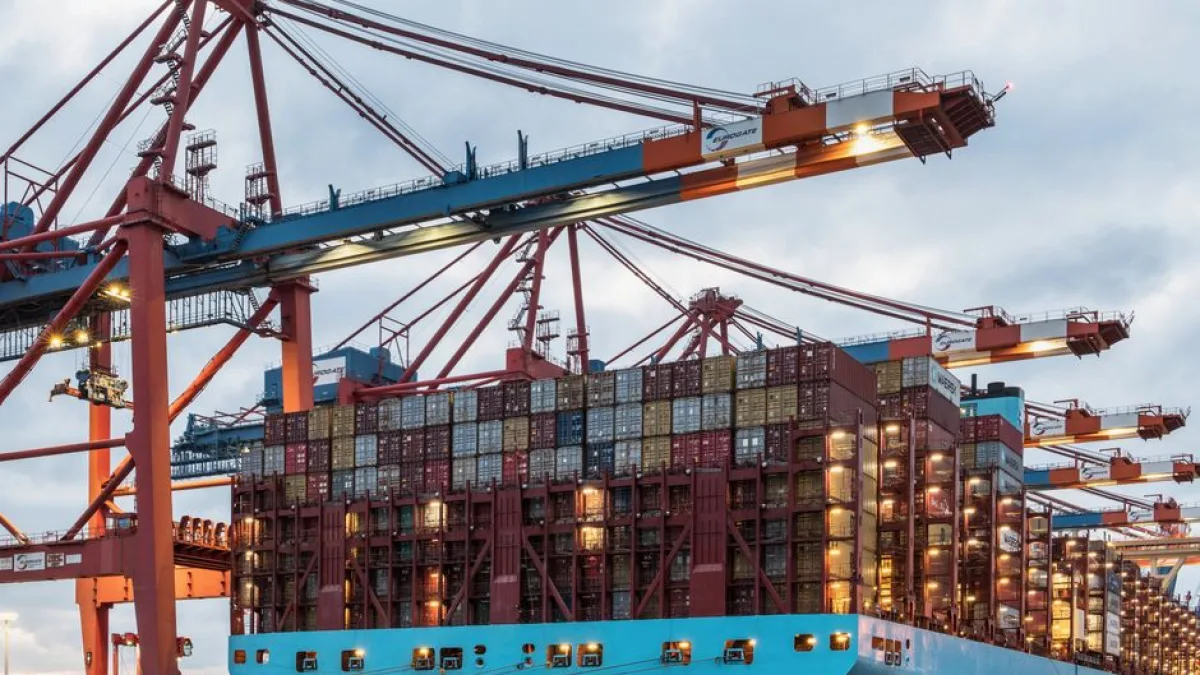
Correct classification of goods under the Harmonized System is the foundation of efficient customs operations. Misclassification can lead to incorrect duty payments, regulatory audits, and severe delays. Utilizing sophisticated classification software ensures consistency across all your shipping entries and compliance documentation.
- Standardized Product Databases: Storing pre-approved HS codes for regular clients ensures that every shipping entry remains compliant, reducing the risk of errors that occur when staff manually select classification codes.
- Automated Updates Monitoring: Software solutions track global trade updates to notify your team immediately when tariff classifications change, preventing the use of outdated codes that lead to shipment rejection.
- Detailed Audit Trails: Maintaining a comprehensive log of why specific classifications were chosen provides the necessary evidence to support your tax and duty calculations during official customs audits.
- Cross-Reference Validation: Advanced systems automatically cross-reference product descriptions with current regulatory requirements, alerting you to restricted goods or special permits required for specific international trade lanes today.
Proper tariff management requires a blend of expert knowledge and automated tools that minimize subjectivity. By implementing standardized classification workflows, you shield your clients from overpayment and avoid the regulatory scrutiny that accompanies frequent errors. This proactive stance on tariff management distinguishes top-tier freight forwarders who prioritize precision in their daily operations, ensuring that goods traverse global borders with minimal friction or risk.
Managing International Trade Barriers
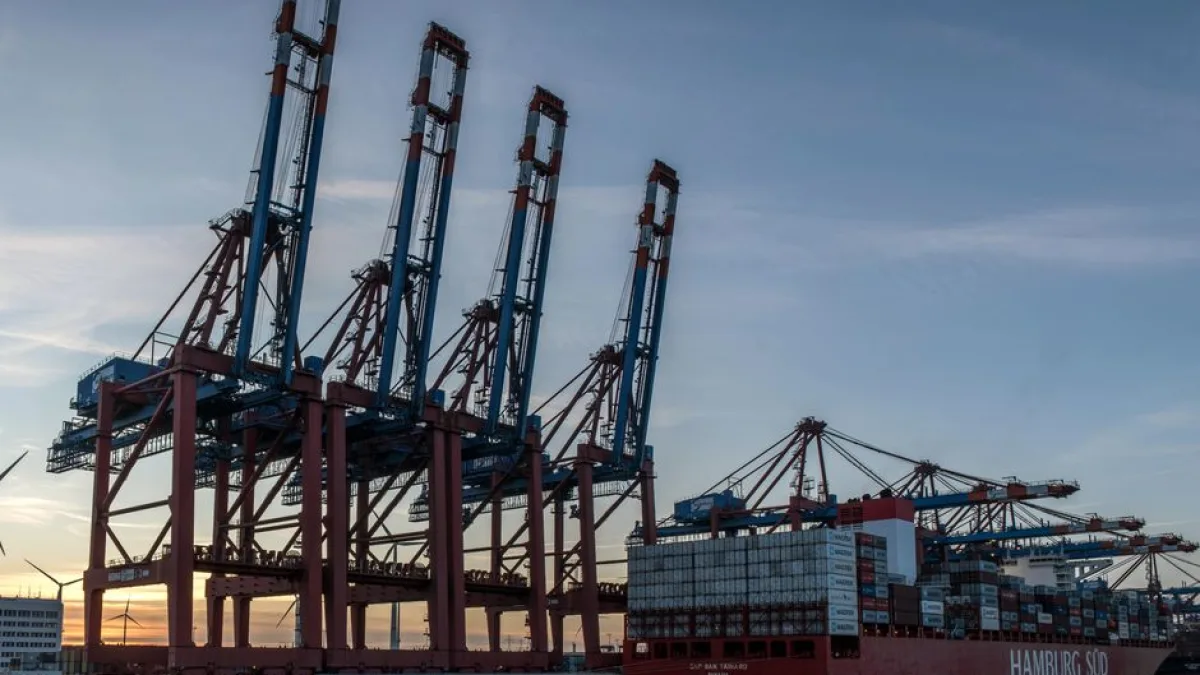
Global trade is heavily influenced by dynamic policy changes, including new trade agreements, import restrictions, and political sanctions. Forwarders must actively monitor these shifting international barriers to protect clients from sudden disruptions. Staying informed through centralized software platforms allows for immediate adaptation to these complex, ever-evolving trade environments and regulations.
- Real-time Trade Alerts: Automated notifications provide your team with instant updates on new sanctions, embargoes, or changes in regional trade laws that directly impact your current freight forwarding routes.
- Origin Verification Tools: Ensuring the certificate of origin is accurate helps clients utilize preferential trade agreements, which reduces overall landed costs while maintaining full legal compliance during audits.
- Restricted Party Screening: Built-in screening tools cross-reference shipping data against international watchlists to ensure your company never unknowingly facilitates trade with sanctioned individuals or entities in prohibited regions.
- Regulatory Gap Analysis: Scheduled reviews of your compliance processes identify potential weaknesses in your current strategy, allowing you to bridge gaps before they are discovered by customs enforcement authorities.
Successfully navigating trade barriers requires a robust strategy that combines technological monitoring with human expertise in global logistics. By identifying risks early, you can redirect shipments or adjust documentation to avoid compliance failures. Forwarders who prioritize these comprehensive monitoring efforts provide invaluable peace of mind to their clients, proving that your firm is capable of managing complex logistics even in unstable environments.
Building Robust Internal Compliance

Internal compliance programs are the final line of defense against regulatory violations. By fostering a culture of adherence and providing ongoing training, you ensure that every team member understands their role in maintaining high standards. Regularly auditing your internal processes is essential for long-term growth and stability within the competitive freight forwarding sector.
- Staff Training Programs: Regular educational sessions regarding changing international laws empower your employees to make informed decisions that align with current customs requirements and company policy goals.
- Internal Audit Schedules: Conducting periodic reviews of your operational data helps you detect patterns of non-compliance before they become systemic problems that could trigger an investigation from authorities.
- Standardized Operating Procedures: Documented workflows ensure that every staff member follows the exact same protocols for document handling, classification, and communication, which creates consistency across your entire logistics organization.
- Stakeholder Compliance Accountability: Clearly defined roles ensure that every individual is responsible for the accuracy of the tasks they complete, preventing mistakes that often occur in fragmented, siloed work environments.
Creating an internal compliance culture is not a one-time project but a continuous cycle of improvement and education. When every employee is empowered to verify and uphold standards, the risk of human error drops significantly. This commitment to internal rigor enhances your operational reputation and builds long-term success. Prioritizing these foundational principles ensures your firm remains resilient against any future regulatory or administrative challenges.
Conclusion

Maintaining excellence in customs compliance is the hallmark of a professional freight forwarder. By embracing digital tools, perfecting tariff classification, monitoring trade barriers, and fostering an internal culture of accountability, your team can navigate the complexities of global logistics with confidence. Contact the MakeCargo team today to learn how our software solutions can help you streamline your compliance workflows and improve your operational performance.