Mastering Customs Compliance in Modern Freight Forwarding
Saturday, August 15 2026

Navigating the complex landscape of international trade requires freight forwarders to maintain impeccable standards regarding customs and compliance. As global regulations shift rapidly, professionals must leverage advanced digital tools to ensure accurate documentation and timely reporting. Staying compliant is not merely about avoiding heavy fines or shipment delays, but about building long-term trust with clients and customs authorities across borders. Modern cloud-based platforms now enable forwarders to automate critical workflows, providing real-time visibility into regulatory changes. Mastering these compliance protocols is the essential foundation for any freight business aiming to achieve sustainable growth and operational excellence in today's demanding market.
Understanding Regulatory Shifts
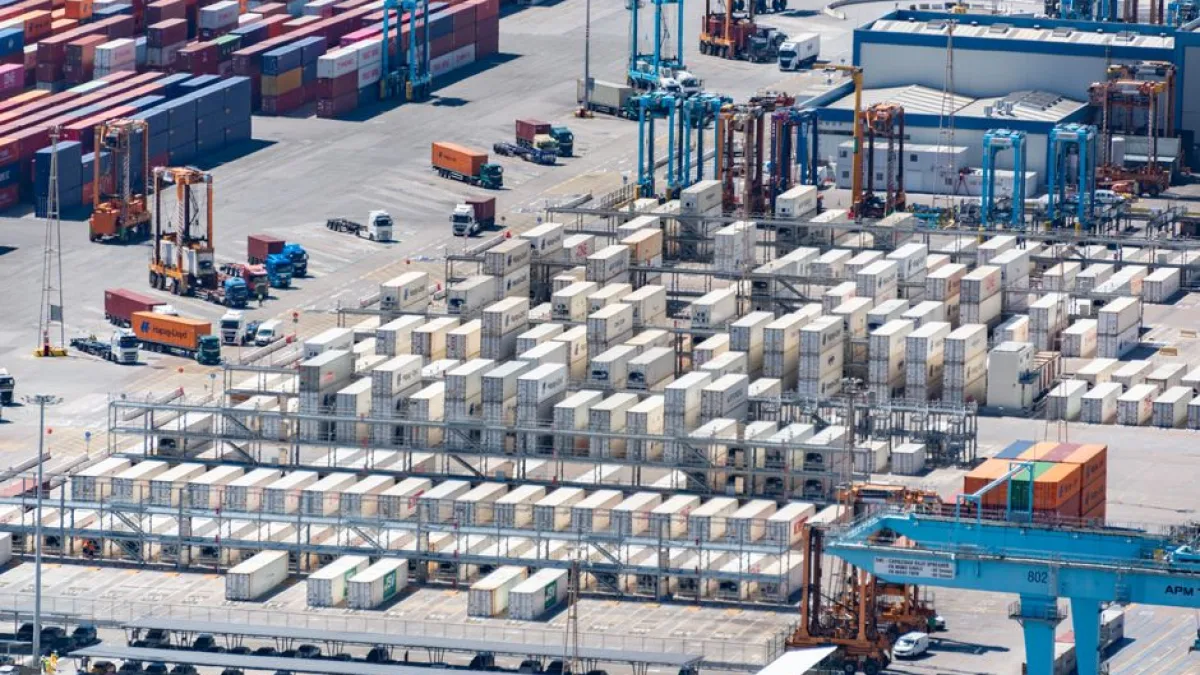
The global regulatory environment is constantly evolving, requiring forwarders to stay ahead of legislative updates to maintain seamless cross-border operations. Adaptive strategies are essential to ensure that every shipment adheres to the latest legal requirements while minimizing unnecessary administrative friction.
- Proactive Data Audits: Regularly reviewing your internal documentation processes helps identify gaps before authorities flag them, ensuring that your firm remains aligned with the latest international trade compliance standards.
- Digital Documentation Tracking: Utilizing modern software ensures that all essential customs paperwork is digitized, searchable, and instantly accessible to authorized personnel during unexpected audits by local trade officials.
- Monitoring Trade Policies: Keeping a watchful eye on changing international trade agreements allows your team to adjust transit routes and tax strategies to avoid costly legal penalties.
- Software Update Cycles: Integrating automated updates into your freight software ensures that you are always using the latest compliance forms and regulatory data sets required by customs.
- Cross-Border Risk Mitigation: Implementing robust verification checks on all shipment data significantly reduces the probability of human error, which is the leading cause of international customs hold-ups.
Adopting a proactive approach to regulatory changes transforms compliance from a burdensome chore into a competitive advantage for your firm. By prioritizing accuracy and digital integration, your team will significantly reduce manual errors while building stronger credibility with customs agencies. This level of diligence ensures that your operations remain fluid and uninterrupted, even when geopolitical shifts create sudden volatility in the global trade landscape.
The Role of Data Accuracy

Precise data is the lifeblood of international shipping, and any discrepancy between physical goods and documentation can lead to significant transit delays. Forwarders must prioritize data integrity throughout the entire supply chain process to ensure a frictionless border crossing experience.
- Standardized Input Protocols: Establishing rigorous data entry standards across your team ensures that all shipment information is consistent, error-free, and perfectly aligned with international customs reporting requirements.
- Automated Validation Tools: Deploying software-based validation checks helps catch inconsistent data or missing information immediately, preventing issues before they escalate into formal customs holds or fines.
- Real-time Data Integration: Connecting your freight platform directly with carrier and port systems provides a single source of truth that keeps all stakeholders informed and compliant.
- Historical Data Analysis: Reviewing past documentation cycles allows your team to identify recurring patterns of errors and refine operational procedures to enhance overall shipment accuracy levels.
- Supplier Data Verification: Collaborating closely with your suppliers to ensure they provide accurate commercial invoice details minimizes the risk of discrepancies during the final customs filing.
Consistently high levels of data accuracy act as a buffer against the unpredictability of international customs inspections. When your documentation is precise, you minimize the risk of costly delays and demonstrate professionalism to every client. Investing in validation tools is a direct investment in your operational efficiency, ultimately allowing your staff to focus on strategic growth rather than correcting repetitive clerical errors.
Optimizing Automated Customs Filings
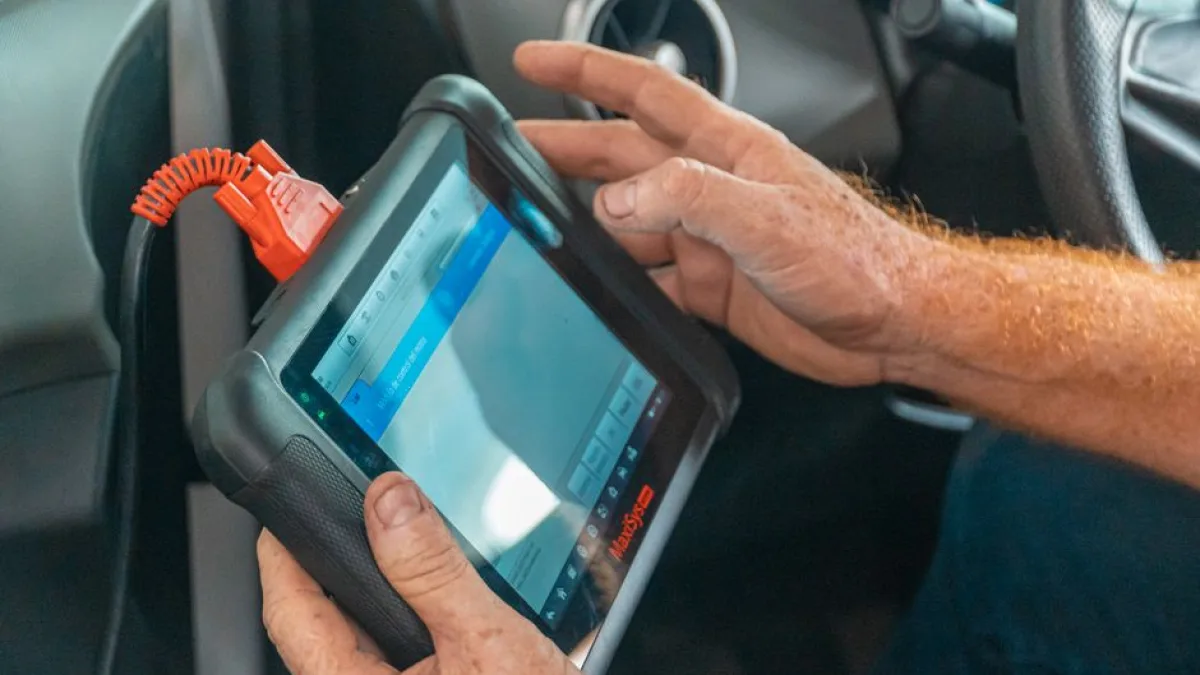
Automation is no longer optional for firms that wish to scale their operations and handle high volumes of international cargo. By automating the filing process, forwarders can ensure consistency and speed while reducing the heavy workload traditionally associated with manual entry.
- Seamless EDI Integration: Leveraging electronic data interchange allows for the direct transfer of shipment information to customs agencies, significantly reducing the time spent on manual input.
- Template Management Systems: Creating standardized templates for recurring shipments allows your team to generate accurate customs declarations in minutes rather than hours of repetitive manual labor.
- Workflow Automation Triggers: Configuring your software to trigger compliance checks at specific shipment milestones ensures that nothing is overlooked during the fast-paced logistics fulfillment lifecycle.
- Automated Filing Alerts: Setting up real-time notifications for filing status updates enables your team to react instantly to any feedback or requests from customs authorities worldwide.
- Cloud-Based Collaboration: Enabling remote access to filing systems ensures that your customs experts can manage international submissions from any location with secure, encrypted digital connectivity.
Embracing automation empowers your freight forwarding business to handle larger capacities without compromising on compliance quality. By shifting repetitive tasks to digital systems, you allow your human talent to focus on complex exception management and high-level strategy. This transition not only streamlines your daily filing workflows but also creates a scalable infrastructure that supports your firm as it enters new global markets.
Staff Training and Education

Compliance is ultimately a human-driven process that depends on the ongoing education and vigilance of your entire staff. A team that is well-versed in the latest regulatory nuances is the best defense against accidental violations and potential legal complications.
- Regular Compliance Workshops: Conducting quarterly training sessions on updated customs laws keeps your team informed about evolving requirements and reinforces the importance of meticulous operational documentation habits.
- Certification Programs: Encouraging your staff to earn professional customs and logistics certifications validates your team expertise and provides clients with confidence in your operational capabilities.
- Internal Compliance Manuals: Maintaining a living, digital repository of company standards ensures that every employee follows the same approved procedures for handling sensitive international shipping data.
- Scenario-Based Training: Simulating complex customs scenarios allows your team to practice their response strategies, ensuring they are prepared to handle real-world challenges with calm professionalism.
- Resource Sharing Networks: Promoting a culture of continuous learning and resource sharing enables team members to stay updated on niche customs developments in diverse geographic markets.
Building a culture of compliance is the most sustainable way to protect your freight forwarding business from external risks. By fostering deep internal expertise, you create a resilient organization capable of navigating any regulatory landscape with confidence. When your staff is properly trained, they become your most effective asset in maintaining operational integrity, ensuring that every shipment adheres to strict international standards consistently.
Conclusion
Mastering customs and compliance is an ongoing journey that requires dedication, technology, and a commitment to professional excellence. By implementing the strategies discussed, you can turn regulatory hurdles into opportunities for operational improvement. MakeCargo is committed to providing the robust software tools necessary to support your compliance efforts. Contact our team today to learn how our platform streamlines your daily logistics operations.