Mastering Customs Compliance in Modern Freight Forwarding
Saturday, August 15 2026
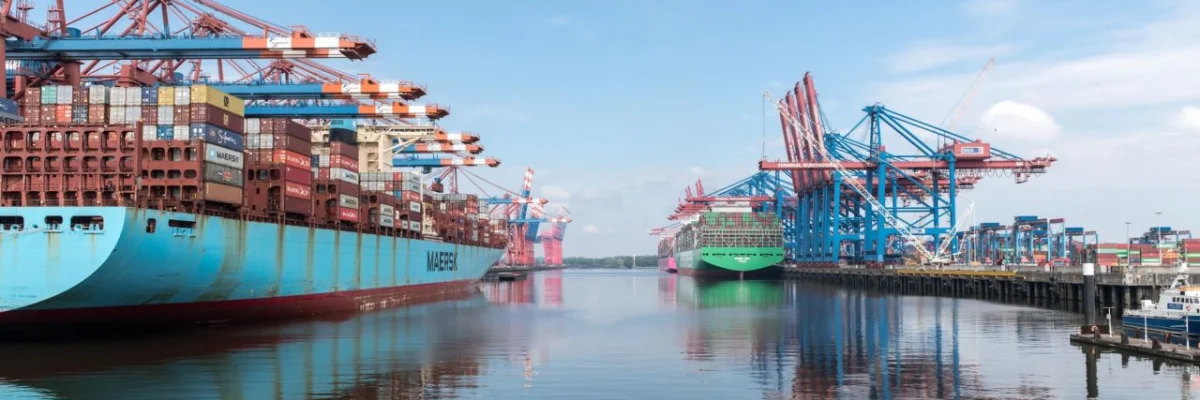
Navigating the complex landscape of international trade requires freight forwarders to maintain impeccable standards for customs compliance. As global regulations shift rapidly, the burden of ensuring accurate documentation and regulatory adherence falls squarely on logistics providers. Failure to meet these requirements leads to costly delays, heavy fines, and potential suspension of operating licenses. Leveraging cloud-based technology allows forwarders to centralize their data, automate repetitive filing tasks, and gain real-time visibility into shifting border requirements. By prioritizing a proactive approach to compliance, your logistics firm protects its reputation while fostering long-term trust with clients who demand seamless, transparent, and secure cross-border transit operations.
Automating Documentation Processes

Transitioning from manual data entry to automated documentation workflows significantly reduces the risk of human error in customs declarations. Modern platforms ensure that every mandatory field is completed accurately, preventing common mistakes that lead to costly detention and demurrage charges at border checkpoints.
- Data Accuracy Verification: Automated systems cross-reference shipment details against database records to identify discrepancies before documents are submitted to customs authorities for official processing and final clearance approval.
- Standardized Filing Templates: Utilizing pre-configured templates ensures that every customs entry follows regional regulatory requirements while maintaining consistency across all your logistics operations and international trade documentation workflows.
- Real-time Error Detection: Integrated compliance engines flag missing information or incorrect commodity codes instantly, allowing team members to resolve potential issues before they cause significant shipment delays at port.
- Cloud Storage Integration: Storing all compliance documents in a centralized cloud environment ensures that records remain accessible, organized, and audit-ready for regulatory inspectors during unexpected compliance checks or audits.
By digitizing your documentation, you eliminate the frantic search for physical papers that often plagues traditional logistics companies. This centralized approach enables your team to focus on high-level strategic tasks rather than administrative hurdles. Investing in reliable software creates a scalable framework that supports your growth while keeping your daily operations aligned with strict customs mandates and international safety standards every single day.
Managing Tariff Classifications
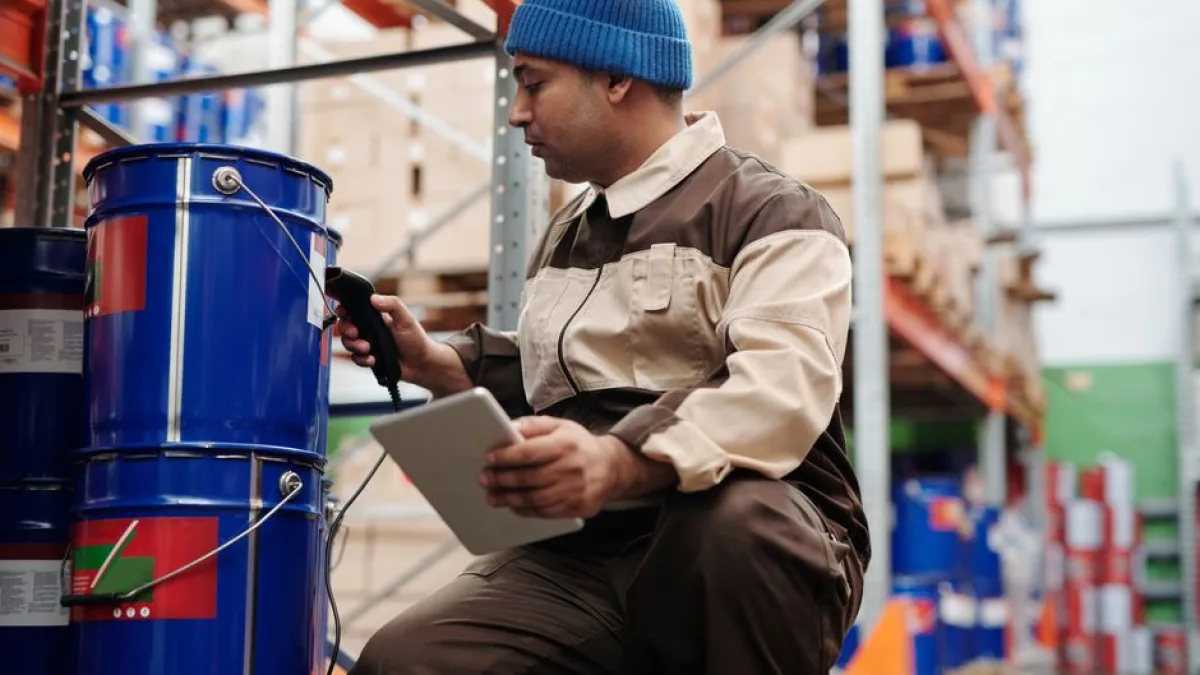
Correct HS code classification is the cornerstone of effective customs compliance. Misclassifying goods leads to incorrect duty payments and severe penalties from tax authorities, creating financial instability for your clients and jeopardizing your firm's standing with local customs offices around the world.
- Automated HS Lookup: Modern software provides instant access to global tariff databases, ensuring that your team selects the most accurate codes based on specific product descriptions and materials.
- Risk Mitigation Strategy: Implementing automated checks helps identify high-risk commodity classes that require additional scrutiny or special permits before the goods arrive at the border for final inspection.
- Regular Database Updates: Cloud platforms push automatic updates regarding tariff changes, ensuring your team is always using current classification data rather than outdated information from previous shipping cycles.
- Audit Trail History: Every classification decision is logged in the system, providing a clear history of why specific codes were selected for each shipment during customs inquiries.
Precise classification is not just about avoiding fines; it is about providing added value to your customers by optimizing their total landed costs. When you handle duty calculations with absolute precision, you demonstrate professionalism and reliability. This high level of service differentiates your freight forwarding firm in a competitive market while ensuring that your clients remain fully protected against unexpected customs challenges.
Handling Hazardous Materials

Transporting hazardous materials introduces layers of regulatory complexity that demand absolute precision in customs documentation. Forwarders must navigate international maritime and aviation safety protocols to ensure that every shipment of dangerous goods is packaged, labeled, and declared according to the highest industry standards.
- Hazmat Validation Checks: Software modules automatically check shipment contents against safety databases to ensure compliance with international hazardous material regulations and prevent illegal transit of restricted items.
- Specialized Documentation Templates: Gain access to pre-formatted dangerous goods declarations that meet specific carrier and customs requirements for each unique transit route across the global supply chain.
- Emergency Response Coordination: Integrated systems provide immediate access to emergency contact details and material safety data sheets, ensuring that safety protocols are followed in the event of incidents.
- Carrier Compliance Sync: Systems verify that the chosen shipping lines or airlines are authorized to transport specific hazardous categories, preventing loading rejections at the terminal gate.
Managing hazardous materials requires a zero-tolerance policy for errors. By using integrated software, you ensure that every safety precaution is documented and communicated to the relevant port authorities. This level of diligence protects your staff, the environment, and the goods themselves. Demonstrating excellence in hazmat compliance builds deep credibility with your clients, establishing your firm as a leader in specialized, secure global shipping.
Optimizing Trade Agreements

Leveraging preferential trade agreements is an excellent way to reduce costs for your clients, but it requires strict proof of origin and documentation. Navigating the nuances of free trade zones demands a thorough understanding of regional compliance requirements and rigorous record-keeping processes for all shipments.
- Origin Certification Tracking: Automatically track and store certificates of origin to provide immediate proof of eligibility when claiming duty benefits under specific international trade agreements and regional pacts.
- Benefit Analysis Reports: Generate analytical reports that identify potential cost savings for clients based on their shipping history and eligibility for various bilateral trade agreements and treaties.
- Regulatory Change Alerts: Receive proactive notifications when trade agreement status changes, allowing your team to update documentation procedures before current exemptions expire or new requirements are enacted.
- Supplier Compliance Management: Manage and verify documentation from global suppliers to ensure that origin data remains accurate throughout the entire product lifecycle from origin to final destination.
Maximizing the benefits of trade agreements requires a proactive partnership with your clients. By managing these complex processes through your cloud platform, you turn compliance into a strategic advantage that saves money for your customers. Providing this high level of expertise fosters long-term loyalty and ensures that your firm remains an indispensable partner in navigating the complexities of international trade and logistics.
Conclusion
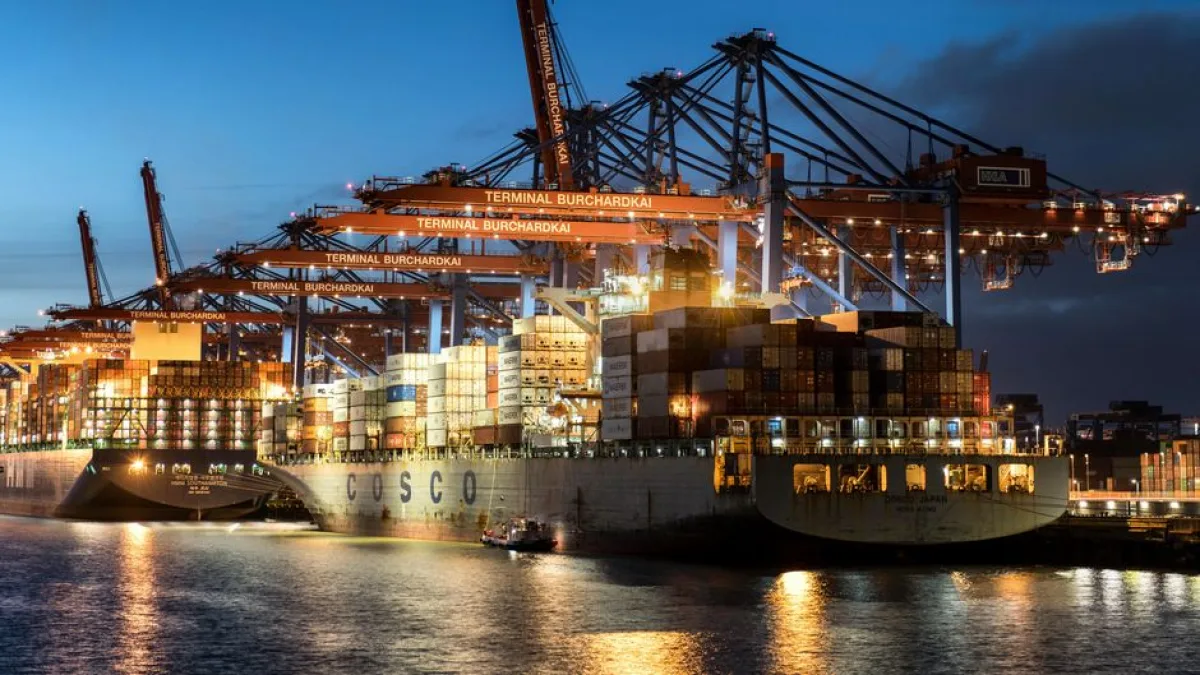
Maintaining customs compliance is the backbone of successful freight forwarding in today's volatile market. By leveraging cloud-based technology, you turn complex regulatory hurdles into manageable, efficient processes. Start optimizing your compliance workflows today with MakeCargo to ensure accuracy, reduce manual workload, and provide superior service to your clients. A commitment to precision today will secure your company's growth and reputation in the global industry.