Mastering Customs Compliance in Modern Freight Forwarding
Tuesday, August 18 2026
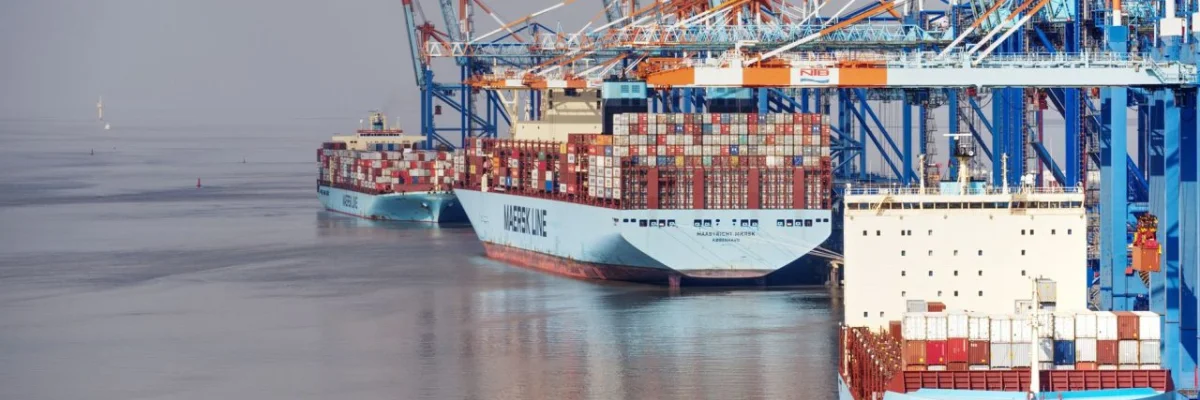
Navigating the complex landscape of international trade regulations requires more than just logistical expertise. As global supply chains face increasing scrutiny from regulatory bodies, freight forwarders must prioritize accuracy in customs documentation to avoid costly delays and severe penalties. Effective compliance is no longer just a legal necessity but a strategic advantage that fosters trust with clients and speeds up cargo movement across borders. By integrating advanced software solutions and adopting proactive verification workflows, professionals can simplify the intricate customs clearance process while ensuring that every shipment adheres to the latest global trade standards and requirements.
Understanding Regulatory Frameworks
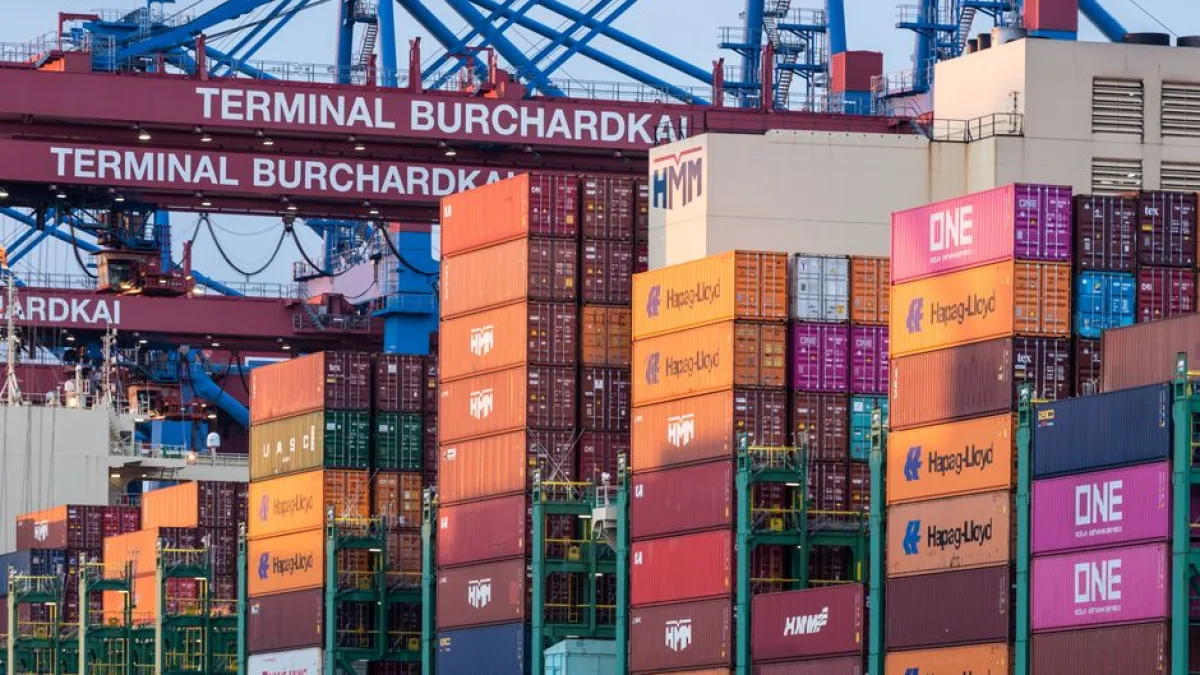
The global trade environment is governed by a diverse set of ever-changing international laws and local regional mandates. Keeping up with these regulatory shifts is essential for any professional aiming to maintain seamless operations and prevent significant financial or reputational damage.
- Harmonized System Codes: Properly identifying HS codes is critical for determining accurate duty rates and ensuring that your shipment complies with specific international trade classification standards for global goods.
- Export Control Laws: Adhering to strict export control regulations ensures that sensitive commodities are not sent to restricted destinations, preventing potential legal violations during the transit process.
- Preferential Trade Agreements: Leveraging existing trade agreements can significantly reduce duty costs for your clients while requiring strict adherence to documentation proving the origin of the goods.
- Sanctions Screening Protocols: Implementing automated software checks against updated global sanctions lists helps identify prohibited parties early, avoiding accidental involvement in illicit trade or restricted financial transactions.
Staying informed about shifting regulatory frameworks allows forwarders to proactively manage potential risks before they impact client operations. Regularly updating internal databases and utilizing modern software integrations ensures that your team remains compliant with the most current international standards. When your organization prioritizes this level of vigilance, you effectively safeguard your reputation while consistently delivering reliable and timely services to your global partners.
Optimizing Documentation Accuracy

Precision in data entry and documentation is the foundation of efficient customs clearance. Even minor errors in paperwork often trigger audits or shipment holds that disrupt supply chain timelines and inflate logistics costs for your high-value shipping clients.
- Digital Documentation Management: Centralizing your paperwork in a cloud-based system reduces physical clutter and minimizes the risk of losing critical documents during the complex international forwarding process.
- Automated Validation Tools: Using software to validate data fields automatically prevents common typos that lead to administrative rejections from customs authorities during the critical entry submission phase.
- Standardized Filing Processes: Adopting consistent procedures across your logistics team ensures that every file contains the necessary information required for rapid approval by national customs and border agencies.
- Electronic Data Interchange: Integrating EDI solutions facilitates seamless communication between your platform and government systems, drastically reducing manual entry requirements and improving overall processing speed and accuracy.
Reducing manual intervention through automation is the most effective way to improve the quality and accuracy of your shipping documents. By replacing paper-based workflows with digital tools, you empower your staff to focus on high-value tasks while software handles the repetitive validation steps. This systematic approach ensures fewer errors, faster processing times, and a significantly smoother experience for both your team and clients.
Leveraging Advanced Technology

Modern technology is the primary driver of operational efficiency in the freight sector. Adopting cloud-based platforms enables forwarders to gain real-time visibility into their customs status while ensuring that all stakeholders remain updated during every transit phase.
- Real-time Tracking Systems: Integrating live status updates into your dashboard provides immediate clarity on shipment progress, allowing for quick responses if a cargo item encounters any regulatory bottleneck.
- Cloud-based Collaboration Portals: Sharing critical documents securely with clients and agents via dedicated portals enhances transparency and ensures that everyone accesses the most current shipment information available.
- Predictive Analytics Integration: Utilizing sophisticated data analytics helps identify recurring issues in your customs clearance process, enabling you to refine your operations and avoid common transit delays.
- Automated Notification Alerts: Setting up system-driven alerts keeps your team informed about critical deadlines and document requirements, ensuring that no essential task is ever overlooked during transit.
Technology serves as the backbone for managing complex international trade hurdles in a fast-paced market environment. When you utilize a purpose-built software platform, you transform manual compliance challenges into automated, streamlined processes that enhance your overall service capabilities. Investing in these digital tools positions your company to scale effectively while maintaining strict control over the multifaceted requirements of global freight logistics today.
Managing Audit and Risk

Risk management involves a comprehensive strategy for handling unexpected audits and ensuring long-term adherence to international standards. Preparedness is the key factor that determines how effectively your organization responds to unexpected inquiries from official regulatory or customs authorities.
- Detailed Record Keeping: Maintaining an organized digital archive of all past shipments and interactions provides a clear audit trail that is essential for demonstrating historical regulatory compliance.
- Internal Compliance Audits: Conducting regular reviews of your internal processes helps identify potential weaknesses before they escalate into serious violations that could jeopardize your operating license or status.
- Employee Training Programs: Providing ongoing education for your staff ensures that everyone understands the latest customs laws and is prepared to handle complex regulatory questions with confidence.
- Contingency Planning Strategies: Developing robust backup plans for unexpected customs incidents enables your team to resolve transit disruptions quickly, maintaining trust with your clients even during crises.
Building a resilient culture of compliance is necessary for mitigating the inherent risks associated with global trade. By establishing clear policies and training your employees to handle regulatory scrutiny, you protect your business from potential penalties and operational setbacks. Ultimately, a proactive stance toward risk management strengthens your position in the competitive logistics industry and builds lasting confidence among your loyal client base.
Conclusion

Achieving excellence in customs compliance requires a dedicated commitment to accuracy, ongoing education, and the strategic use of modern technology. By standardizing your documentation workflows and staying ahead of evolving global regulations, your team can navigate international trade with confidence. Partner with MakeCargo today to streamline your logistics processes and ensure your operations remain both compliant and competitive in the global market.