Mastering Customs Compliance in Modern Freight Forwarding
Tuesday, August 18 2026
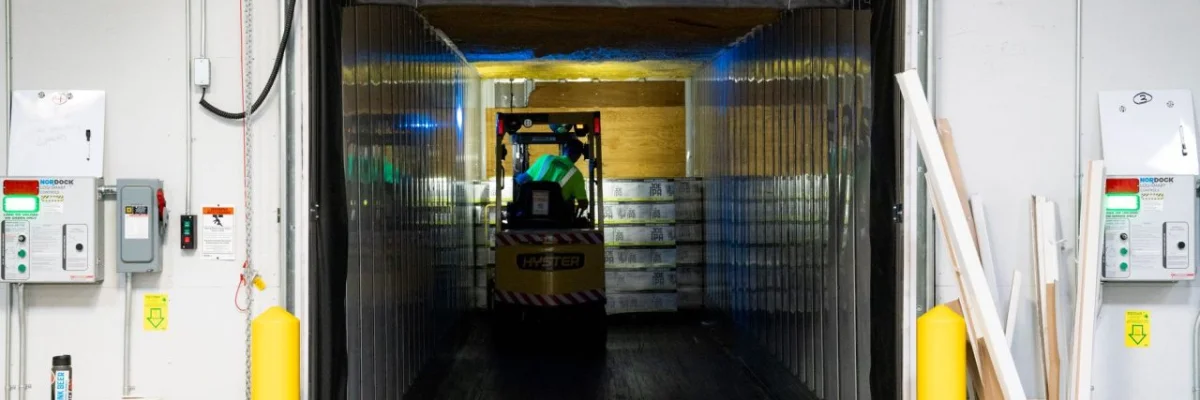
Navigating the complex landscape of international trade regulations requires precision, foresight, and a robust digital infrastructure. For modern freight forwarders, customs compliance is no longer a peripheral task but the backbone of operational success. As global markets fluctuate and regulatory requirements become increasingly stringent, organizations must transition from manual processes to automated solutions to avoid costly delays and penalties. By centralizing documentation and integrating real-time data flows, forwarders can ensure absolute accuracy while enhancing their value proposition. This article explores essential strategies to help your team stay ahead of shifting trade mandates and maintain seamless cross-border logistics flows every single day.
Automating Trade Documentation

Manual data entry often serves as the primary source of customs errors and administrative friction. By adopting automated documentation tools, forwarders can drastically reduce human error while accelerating the filing process for export and import declarations across multiple international customs portals.
- Data Accuracy Verification: Automated systems validate shipping data against official databases to identify discrepancies before documents are submitted to authorities for clearance, preventing costly fines and inspection hold-ups.
- Streamlined Workflow Integration: Connecting your freight software directly to customs agencies allows for near-instant data transmission, effectively removing the latency associated with manual uploads and redundant email exchanges.
- Standardized Document Templates: Pre-configured templates ensure that every shipping invoice, packing list, and certificate of origin contains the mandatory fields required by specific international trade regulatory bodies consistently.
- Version Control Management: Centralized digital platforms keep all stakeholders updated on the latest document versions, eliminating the confusion caused by multiple iterations of the same customs clearance files.
Digital transformation within the customs department is essential for forwarders who aim to scale their operations effectively. When documentation processes are automated, staff can shift their focus from tedious data entry to high-value client advisory services. This shift not only improves overall processing speeds but also builds deep trust with clients who demand transparency and reliability in an increasingly volatile global shipping environment.
Managing Regulatory Changes

Regulatory landscapes are constantly evolving, with new tariffs and trade policies emerging frequently across different regions. Forwarders must proactively monitor these shifts to adjust their operational workflows and maintain compliance without interrupting the smooth movement of goods across borders.
- Real-time Regulatory Alerts: Advanced software platforms provide instant notifications regarding changes in trade laws or tariff codes, allowing teams to adjust their declarations before shipments depart ports.
- Dynamic Compliance Audits: Regular automated audits of historical shipping data help forwarders uncover potential vulnerabilities and non-compliance patterns that could trigger future investigations by customs enforcement agencies.
- Customs Broker Collaboration: Utilizing unified cloud platforms ensures that freight forwarders and customs brokers share the same live data, preventing miscommunications regarding classification codes or product duty rates.
- Regional Trade Insights: Accessing updated information on free trade agreements enables forwarders to advise clients on duty savings, providing a competitive edge through deep regulatory knowledge and insight.
Staying ahead of the regulatory curve is the hallmark of a professional freight forwarding enterprise. By integrating intelligence feeds into your daily operations, you transform compliance from a reactive necessity into a strategic advantage. This proactive stance protects your reputation with customs authorities and ensures that your clients never face unexpected hurdles due to oversight or lack of current regulatory information.
Risk Mitigation Strategies

Risk management remains a top priority for businesses involved in complex global logistics. Identifying potential bottlenecks early and implementing robust safety checks serves as an insurance policy against supply chain disruptions and legal liabilities during international transit phases.
- Verification of Parties: Screening all shippers, consignees, and carriers against denied party lists is vital to ensure that your firm is not inadvertently facilitating prohibited international transactions.
- Harmonized System Classification: Utilizing sophisticated classification tools helps determine the correct HS codes for goods, ensuring accurate duty payments and reducing the risk of being penalized for misclassification.
- Audit Trail Integrity: Maintaining a comprehensive and immutable digital log of all customs interactions provides necessary transparency for internal reviews or official government inquiries during compliance investigations.
- Supply Chain Visibility: Real-time tracking allows forwarders to monitor cargo status constantly, providing early warnings if a shipment is flagged for secondary inspection by authorities at the border.
Mitigating risk in freight forwarding requires a comprehensive approach that combines technical tools with vigilant human oversight. When you maintain a rigorous standard for compliance checks, you shield your operations from significant financial and operational damage. Investing in these defensive measures allows your organization to handle complex international shipments with total confidence, regardless of the tightening requirements imposed by global customs agencies today.
Building Operational Resilience
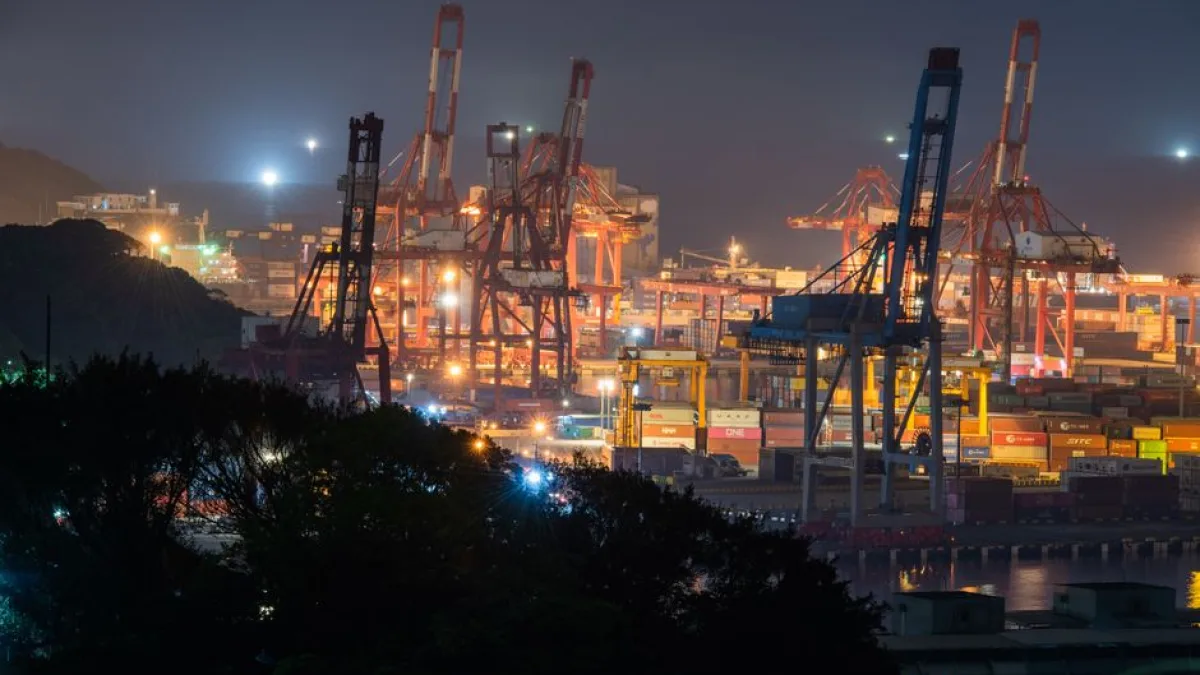
Operational resilience depends on your ability to maintain consistent output while managing external shocks. By centralizing your customs operations within a flexible cloud-based platform, your business gains the agility needed to pivot quickly when unforeseen trade challenges disrupt normal shipping lanes.
- Cloud-based Centralization: Hosting all customs-related workflows in a secure cloud environment allows your team to access critical documentation and compliance data from any global location.
- Interdepartmental Data Sharing: Breaking down operational silos ensures that sales, finance, and operations teams have a unified view of customs status, improving internal communication and response times.
- Scalable Processing Power: Digital infrastructure can easily handle spikes in shipment volume, ensuring that your customs filing capabilities remain fast even during the busy peak shipping seasons.
- Ongoing Staff Training: Linking your digital platforms with training resources helps employees stay updated on software features and changing customs procedures, ensuring the workforce remains highly capable.
Building a resilient foundation means your freight forwarding company is prepared for any regulatory shifts or market changes. By prioritizing the integration of smart software and robust communication, you ensure that your operations are both efficient and durable. This long-term focus on excellence and adaptability positions your firm as a leader in the industry, capable of delivering reliable service under any global conditions.
Conclusion

Achieving excellence in customs compliance is a continuous journey that demands both advanced technology and a culture of precision. By automating documentation, monitoring regulations, mitigating risks, and building operational resilience, freight forwarders can effectively manage the complexities of modern trade. MakeCargo is committed to helping you streamline these vital processes, ensuring that your business remains compliant, competitive, and ready for future global challenges.