Mastering Customs Compliance in Modern Freight Forwarding
Friday, August 21 2026
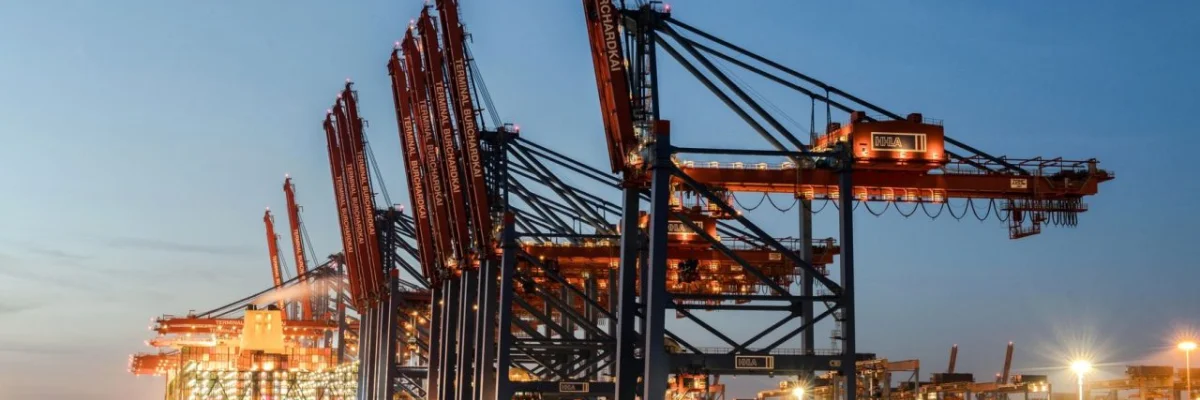
Navigating the complex landscape of global trade requires precision, deep regulatory knowledge, and robust technological support. As freight forwarding professionals, ensuring that your shipments meet all international standards is not just a legal requirement but a fundamental service to your clients. From shifting tariff classifications to evolving regional trade agreements, staying informed is the primary defense against costly delays and administrative penalties. By leveraging cloud-based platforms to automate document management and real-time tracking, forwarders can turn compliance from a burdensome operational hurdle into a competitive advantage that builds long-term trust with shippers and customs authorities alike.
Automating Trade Documentation

Digital transformation has redefined how documentation is processed within the customs sector. Moving away from manual entry to automated cloud systems minimizes errors and speeds up the filing process significantly, ensuring that your organization remains compliant with international regulatory filing requirements.
- Real-time data synchronization: Cloud-based platforms ensure that all stakeholders access the most current documentation, preventing discrepancies that often arise from outdated versions or fragmented communication channels across international teams.
- Error reduction algorithms: Advanced software tools utilize built-in validation checks to flag missing information or incorrect tariff codes before they reach customs officials, effectively reducing the risk of costly administrative fines.
- Centralized document repository: Maintaining a secure and searchable digital archive allows your team to retrieve essential compliance records instantly during audits, ensuring transparency and accountability in your operational procedures.
- Automated filing updates: Integrated software solutions track changes in international customs regulations and automatically update your workflow to match new requirements, keeping your operations compliant without manual interference.
Adopting automated workflows for documentation management is no longer optional for forwarders aiming to scale. By shifting to a centralized, software-driven approach, your company can eliminate repetitive manual tasks and minimize human error. This transition allows your staff to focus on high-value logistics strategy rather than chasing paper, ultimately leading to faster clearance times and significantly improved reliability for every single client shipment.
Understanding Tariff Classifications

Correctly identifying the right HS code is the foundation of successful customs clearance. Mistakes in this area lead to significant fiscal penalties and extended port delays, necessitating a rigorous and systematic approach to product classification for every international shipment processed.
- Precise product identification: Detailed classification of goods prevents incorrect duty calculations and ensures that your shipments align with global trade standards, avoiding audits triggered by inconsistent or vague commodity descriptions.
- Ongoing compliance training: Investing in regular professional development for your team ensures they remain experts on current HS code changes and regional variations in product classification across global borders.
- Integrated software databases: Modern freight platforms feature live databases that cross-reference product descriptions with current national tariff schedules, providing automated guidance to help your staff select the right codes.
- Consistent classification logs: Keeping a detailed history of how specific products are classified creates a reliable audit trail, allowing for greater consistency in your future customs submissions and filings.
Building a robust internal strategy for tariff classification is critical for maintaining healthy profit margins and keeping your clients satisfied. By combining skilled human expertise with modern software tools, forwarders can ensure that every customs declaration is accurate and defensible. This proactive approach to managing complex classification tasks reduces the risk of shipments being held in customs for extended periods of time.
Managing Regulatory Trade Shifts
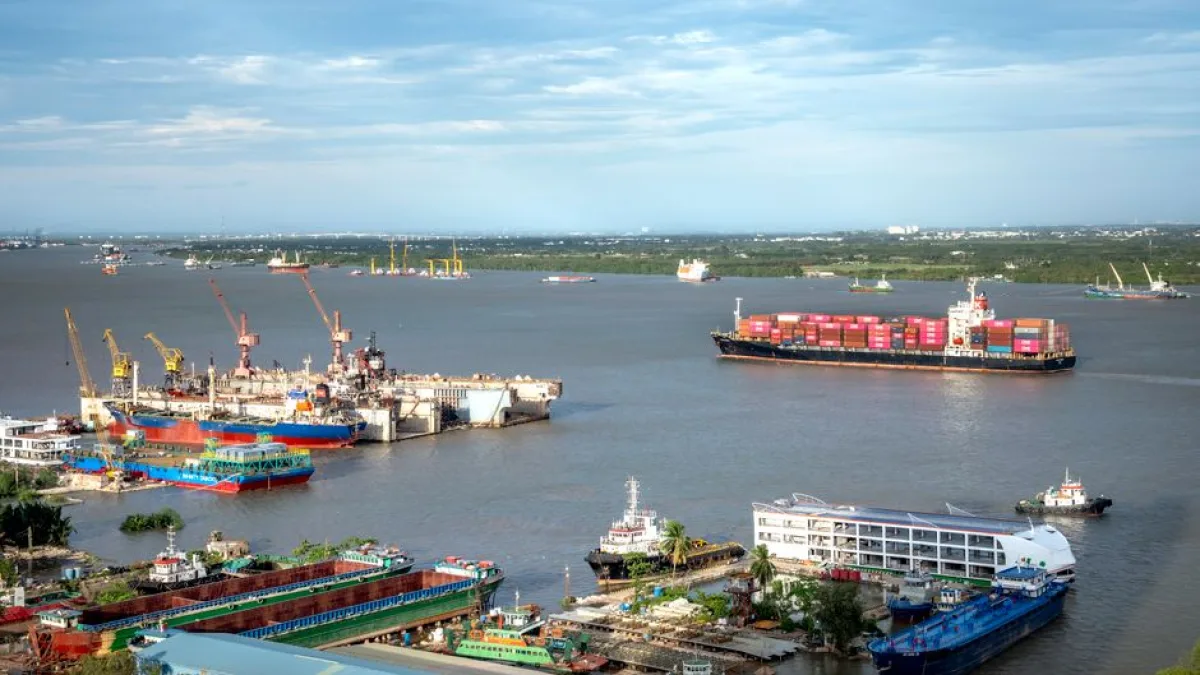
Geopolitical tensions and economic policies often trigger rapid changes in trade agreements and import regulations. Freight forwarders must maintain agility to adapt their compliance frameworks, ensuring that client supply chains remain uninterrupted despite the volatility of international commercial policies.
- Regulatory monitoring alerts: Subscription-based alerts and software notifications ensure that your team receives immediate updates about sudden policy changes that could potentially impact cargo movement or associated duty costs.
- Agile supply routing: When trade barriers emerge, having the technological capability to quickly reroute shipments through alternative regions keeps your supply chains flowing without excessive customs-related delays or obstacles.
- Cross-border agreement expertise: Maintaining deep knowledge of free trade zones and bilateral agreements allows forwarders to suggest cost-effective routes that optimize duty payments while staying fully within legal.
- Impact assessment workflows: Utilizing analytical software to simulate the impact of new trade policies helps your team prepare contingency plans, allowing for swift reactions when major regulations suddenly change.
Success in this volatile environment depends on your ability to process regulatory shifts quickly. By prioritizing the integration of live data feeds into your logistics software, you can remain one step ahead of the market. Staying agile in your decision-making process, supported by high-quality data, ensures your firm provides professional counsel and maintains compliance, even when global trade rules face significant sudden changes.
Leveraging Compliance for Growth

Compliance management provides a unique opportunity to build brand authority. When your company demonstrates a flawless track record in customs, you become a trusted partner that clients rely on for their most sensitive and high-value international trade logistics operations.
- Building client trust: Demonstrating consistent adherence to international customs protocols creates a reliable reputation, which is a powerful sales tool when you are bidding for major global shipping contracts.
- Risk management efficiency: A proactive compliance strategy acts as a buffer against unforeseen disruptions, allowing your business to handle complex logistics challenges without compromising the security of shipments.
- Competitive operational speed: Firms that excel at compliance move goods faster because they avoid the common traps of rejected filings and audits, giving them a speed advantage over competitors.
- Data-driven operational insights: Using compliance data to track your own performance metrics allows for continuous improvement of your internal processes, driving long-term efficiency across your entire logistics organization.
Viewing compliance as a strategic asset rather than a back-office necessity transforms how your business grows. When you consistently deliver reliable, compliant services, you foster loyalty and attract clients who value security above the lowest price. This mindset shift positions your forwarding business as a market leader, capable of managing complex global requirements while maintaining the operational excellence required for long-term sustainable growth.
Conclusion

Mastering customs compliance is an essential pillar of success for any modern freight forwarder. By adopting cloud-based technology, prioritizing accurate tariff classification, and remaining agile amidst regulatory changes, your firm can convert compliance hurdles into distinct competitive advantages. Focus on building robust, automated processes to ensure your operations remain secure, efficient, and profitable, allowing your team to focus on delivering superior logistics solutions to your clients.