Mastering Customs Compliance in Modern Freight Forwarding
Sunday, August 23 2026

Navigating the complex landscape of global trade requires freight forwarders to maintain rigorous standards of customs compliance. As international regulations evolve and border agencies demand greater transparency, the risk of delays, financial penalties, or shipment seizures grows for those who rely on outdated manual processes. Success in today's volatile supply chain environment depends on your ability to integrate compliance checks directly into your digital workflow. By leveraging cloud-based platforms, forwarders can ensure accuracy, reduce human error, and provide clients with the peace of mind that their cargo moves smoothly through international checkpoints without any unexpected legal friction.
Understanding Regulatory Shifts
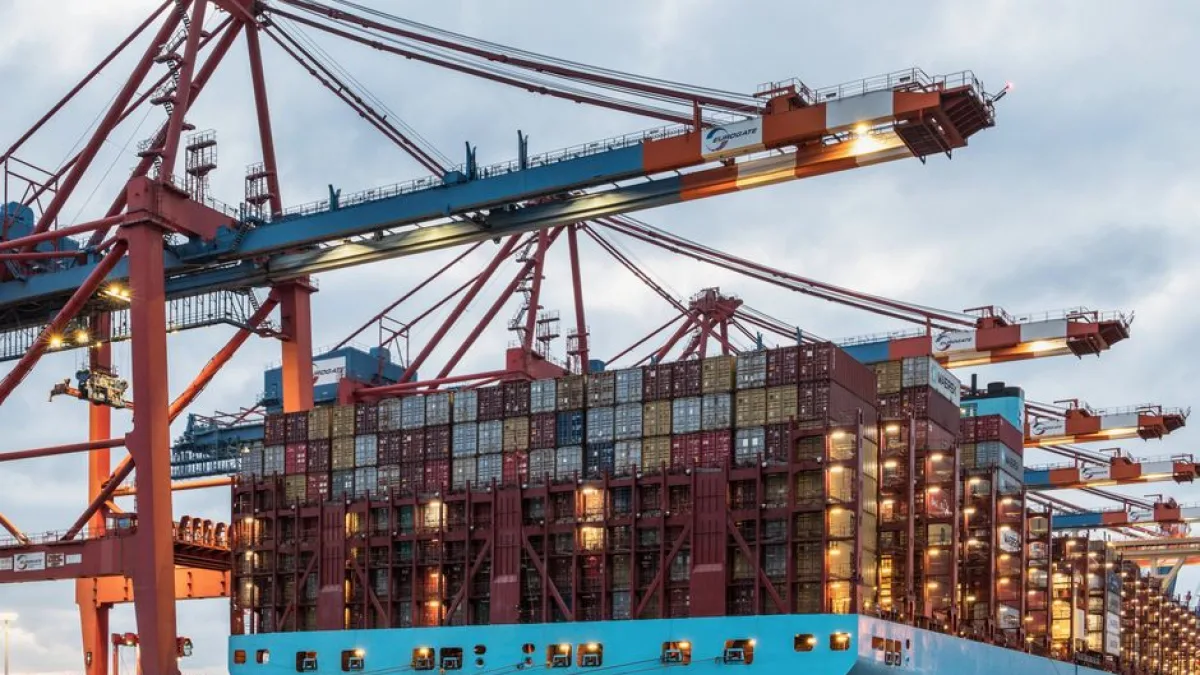
The global trade environment is constantly shifting as governments implement new tariff structures and security mandates. Staying ahead of these changes requires a proactive approach to monitoring international trade laws, ensuring your digital documentation tools reflect the latest global compliance requirements.
- Real-time regulation updates: Our platform automatically fetches the latest changes from international trade authorities to ensure that your classification and duty calculations remain accurate and compliant with current legal frameworks.
- Automated duty calculation: Eliminate the risk of manual data entry errors by using software that automatically applies the correct tariff codes and tax rates based on origin data.
- Enhanced audit trails: Maintain a comprehensive digital history of every transaction and communication, ensuring that you are fully prepared for unexpected customs audits or detailed agency inspections.
- Proactive risk assessment: Identify potential compliance red flags in your documentation before cargo reaches the port, allowing for rapid corrections that prevent costly delays and shipments being held.
- Standardized documentation templates: Utilize pre-validated templates that align with international standards, ensuring your paperwork always contains the required fields to meet the rigorous demands of modern customs officials.
By integrating these sophisticated tools, forwarders can transform their compliance operations from a defensive necessity into a strategic advantage. Automating the identification of changing regulations reduces the burden on your team while increasing overall reliability. This technological shift allows you to focus on growing your business while the software manages the intricate details of legal adherence and cross-border paperwork requirements for every shipment.
Digitizing Documentation Workflows

The transition from paper-based archives to digital storage is vital for modern forwarders. Centralized cloud platforms enable instant access to essential shipping documents, ensuring your team has the accurate information needed to clear customs quickly in every jurisdiction worldwide.
- Cloud document storage: Securely store all your shipping documents in one centralized location that is accessible by authorized staff from anywhere in the world during critical operations.
- Integrated scanning solutions: Quickly convert physical documents into searchable digital formats, allowing you to attach them directly to specific job files for faster retrieval and verification processes.
- Version control management: Track every change made to your documents to prevent the use of outdated files that could lead to non-compliance issues at the border.
- Secure client portal: Provide your customers with a secure interface to upload their own trade documents, ensuring that all data remains encrypted and protected throughout the shipping cycle.
- Automated filing systems: Streamline your organization by using smart tagging features that automatically route documents to the correct folders based on shipment status or destination country.
Adopting a robust digital workflow eliminates the chaos often associated with paper files and physical storage. By digitizing your operations, your team can access vital records in seconds rather than hours. This efficiency not only speeds up the customs clearance process but also builds trust with your clients by demonstrating that their cargo information is handled with the highest level of security and professionalism.
Streamlining Broker Communication

Clear communication between forwarders, customs brokers, and agents is essential for seamless clearance. A cloud-based platform fosters collaboration by providing a single source of truth, reducing the likelihood of misunderstandings that lead to customs delays or heavy administrative fines.
- Instant status notifications: Keep all stakeholders informed with real-time updates on customs clearance progress, ensuring that everyone remains aligned throughout the entire international shipping process for every client.
- Internal chat integration: Replace scattered email threads with an integrated messaging system attached to specific shipments, ensuring context is never lost during high-pressure clearance situations at borders.
- Task assignment features: Clearly delegate specific customs clearance tasks to team members or external partners, ensuring accountability and preventing important steps from falling through the cracks during transit.
- Shared visibility dashboards: Grant authorized brokers access to specific project data, reducing the need for back-and-forth emails and enabling faster resolution of any issues that might arise.
- Priority clearance flagging: Use visual indicators to highlight shipments that require urgent attention, ensuring your team focuses on high-risk or time-sensitive cargo before problems can escalate further.
Effective collaboration is the backbone of efficient freight forwarding. By centralizing communication within your software platform, you eliminate the delays caused by missed messages or lost documents. This collaborative environment ensures that when a customs challenge arises, your team has the tools to address it immediately. This level of transparency strengthens relationships with partners and ensures your logistics operations run smoothly and consistently.
Leveraging Advanced Data Analytics

Data is a powerful asset in the world of customs compliance. By analyzing historical shipment patterns, forwarders can predict potential bottlenecks and optimize their documentation strategies to ensure faster clearance times for their clients across various global trade lanes.
- Trend analysis reports: Utilize built-in reporting tools to identify recurring issues with specific shipment routes, allowing you to adjust your compliance strategy and improve overall performance results.
- Error tracking metrics: Monitor common mistakes in your documentation process to identify training opportunities for your staff, effectively reducing the frequency of errors in future shipments.
- Customs performance benchmarks: Compare your clearance times against industry averages to gauge your operational efficiency and identify specific areas where your processes could be further optimized today.
- Predictive delay modeling: Use historical data to anticipate potential customs delays during peak seasons, enabling you to advise clients on better shipping schedules to avoid typical port congestion.
- Revenue impact reports: Quantify the financial impact of improved compliance efforts, demonstrating the value of your services to clients through detailed data-driven insights and clear reporting dashboards.
Turning raw data into actionable intelligence is a defining characteristic of top-tier freight forwarders. These analytics help you understand the health of your compliance program and uncover hidden opportunities for process improvements. When you base your decisions on reliable performance metrics, you mitigate risk effectively and deliver superior value. Such insights help you maintain a competitive edge while ensuring long-term success for your firm.
Conclusion

Prioritizing customs compliance through digital transformation is essential for the modern freight forwarder. By adopting cloud-based tools for documentation, communication, and analytics, you ensure your operations remain secure and efficient. Start streamlining your compliance workflows today with MakeCargo to reduce risk and enhance your service quality. Investing in the right technology now will secure your position as a trusted leader in the global logistics industry.