Mastering Customs Compliance in Modern Freight Forwarding
Sunday, August 23 2026

Navigating the complex landscape of international trade requires freight forwarders to maintain impeccable standards of customs compliance. As global regulations shift rapidly due to changing trade policies and technological advancements, forwarders must balance operational speed with rigorous documentation accuracy. Failing to adhere to local and international import-export laws often leads to costly delays, heavy financial penalties, or even the loss of operating licenses. By integrating robust digital compliance strategies into your daily workflow, you can mitigate risk effectively and build stronger trust with your clients while ensuring that your cargo moves across borders without friction.
Digital Documentation Accuracy

Modern customs processes rely heavily on the precision of digital data inputs provided to authorities. As manual entries frequently lead to classification errors, automating your documentation flow ensures that every declaration matches the physical goods precisely before they reach the terminal gates.
- Automated Data Validation: Digital tools verify Harmonized System codes in real time to ensure accuracy across all international shipments and prevent costly misclassification penalties during the customs audit process.
- Cloud Based Storage: Centralizing your shipping documents in a secure cloud platform allows for instant retrieval during inspections and provides a transparent audit trail for every single cargo.
- Standardized Form Templates: Utilizing pre-populated templates for commercial invoices and packing lists reduces human error and ensures that all mandatory information is included for every specific trade route.
- Real Time Integration: Connecting your freight software directly to customs authorities allows for immediate filing and status updates which significantly reduces the dwell time at congested international ports.
Adopting digital systems allows your team to move away from tedious manual paperwork and toward high level strategic oversight of global shipments. By ensuring that your data architecture is built for accuracy and speed, you turn compliance into a competitive advantage. This transformation minimizes common bottlenecks and helps your company maintain a clean record with regulatory agencies, ultimately fostering long term professional growth and stability.
Understanding Trade Regulations

Staying updated on the latest international trade laws is essential for any professional managing cross border logistics. Since regulations often change overnight, forwarders need a reliable method for tracking jurisdictional requirements to prevent shipping delays and protect their valued customers from risks.
- Regulatory Monitoring Tools: Specialized software alerts your team immediately when trade policies change in key regions to ensure your current practices align with the most recent legal updates.
- Customs Broker Collaboration: Maintaining strong communication channels with licensed brokers ensures that local nuances in transit countries are fully addressed before the cargo begins its complex international journey.
- Incoterm Clarity Protocols: Clearly defining shipping terms at the start of every transaction prevents disputes regarding who is responsible for customs duties and tax payments at destination.
- Tariff Management Systems: Tracking changes in duty rates and tax obligations allows forwarders to provide accurate quotes to clients while maintaining profitability and avoiding unexpected financial losses.
Knowledge serves as the primary currency for successful freight forwarders navigating global markets. By investing time into continuous education and leveraging smart software alerts, you ensure that your operations remain compliant regardless of how often trade policies shift. This proactive approach protects your bottom line and builds confidence among your clients, as they trust that you are handling their goods with expert awareness.
Optimizing Risk Management
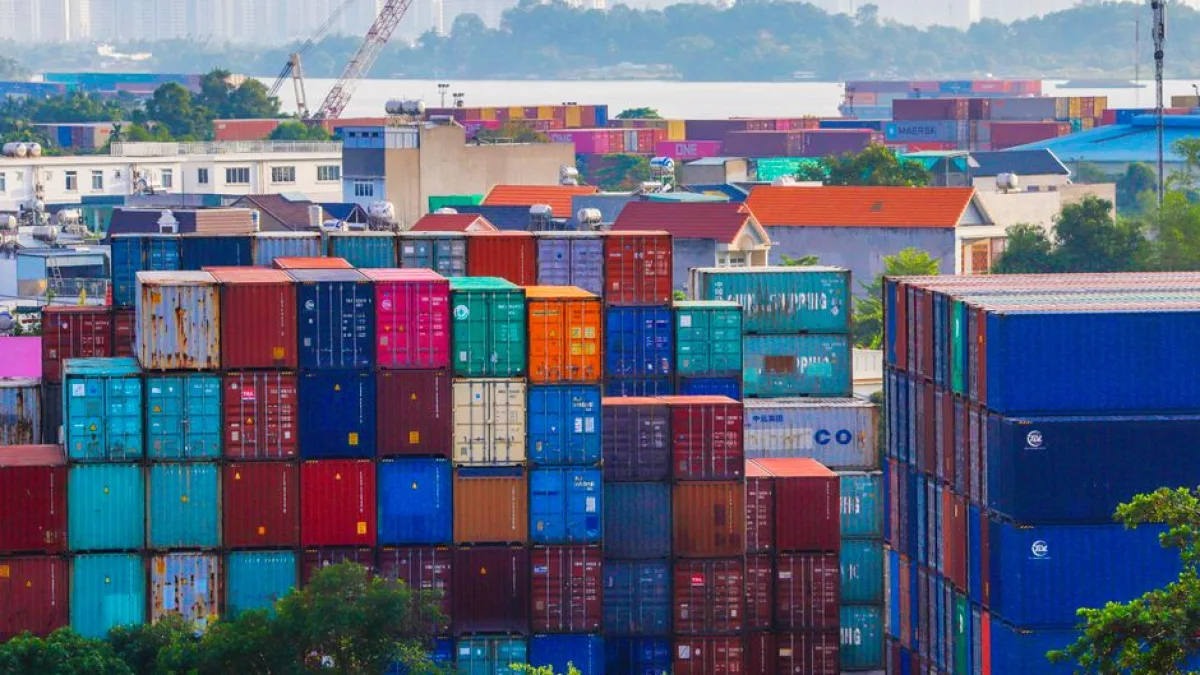
Risk is inherent in global supply chains, but effective management practices can minimize the impact of unforeseen customs complications. Forwarders must actively assess the vulnerabilities in their shipping processes and implement safeguards that protect cargo, the client, and their own brand reputation.
- Vulnerability Assessment Audits: Regularly reviewing your internal shipping processes helps identify potential weak points where documentation might be incomplete or inaccurate before the cargo is processed for export.
- Supplier Vetting Programs: Establishing a rigorous process for verifying the credentials of your carriers and partners prevents compliance issues from entering your network through third party vendors.
- Insurance Coverage Strategies: Securing comprehensive cargo insurance protects your company and clients from the financial fallout of unexpected seizures or fines imposed by local customs authorities globally.
- Internal Compliance Training: Educating your staff on the specific risks associated with different regions empowers your team to make informed decisions that align with safety protocols.
Risk management is not just about avoiding problems but about building a resilient organization that can handle disruptions effectively. By fostering a culture of compliance and continuous improvement, you create a safer environment for every shipment in your pipeline. This focus on detail ensures that you remain a reliable partner for your clients, capable of overcoming even the most complex customs challenges with ease.
Leveraging Modern Technology

Technological integration is the backbone of modern customs management for successful freight forwarders. By utilizing cloud based platforms, companies can achieve higher levels of visibility and control, turning the often fragmented customs process into a streamlined operation that supports faster, more secure trade flows.
- Unified Dashboard Views: Modern software displays the real time status of every customs filing in a single location, allowing managers to monitor progress and identify any potential delays.
- Machine Learning Analytics: Advanced algorithms detect patterns in your shipping data to predict potential compliance risks before they become significant issues during the actual clearance process.
- API Driven Workflows: Connecting your software with government portals via secure APIs removes the need for manual data re-entry and eliminates the risk of human error entirely.
- Encrypted Data Security: Protecting sensitive client information with advanced encryption standards is essential for maintaining compliance with international data privacy laws and building deep client trust.
Integrating advanced technology into your customs compliance strategy is no longer optional in the competitive world of freight forwarding. It is the most effective way to scale your business while maintaining high service standards. When you leverage the power of cloud platforms, you gain the clarity needed to navigate complex regulatory environments, ensuring your clients enjoy seamless logistics and you remain highly profitable.
Conclusion

Success in freight forwarding requires a commitment to customs compliance through digital transformation and proactive risk management. By leveraging modern technology, your team can ensure accuracy and speed while navigating complex international trade laws. This strategic approach minimizes potential delays and penalties, allowing your business to thrive in a global market. Make compliance the foundation of your operations to build lasting client trust and operational success.