Mastering Customs Compliance in Modern Freight Forwarding
Tuesday, August 25 2026
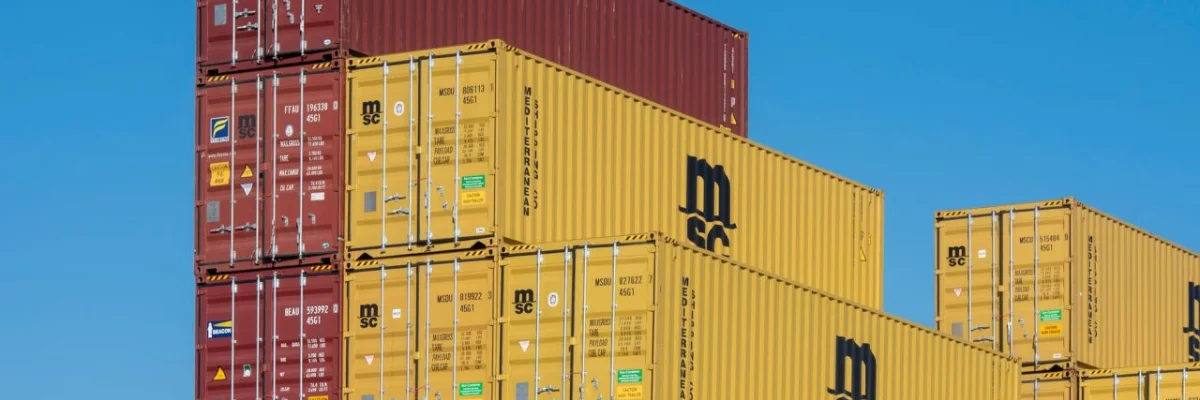
Global trade is accelerating at an unprecedented pace, placing significant pressure on freight forwarders to maintain flawless customs compliance. Navigating the labyrinth of international trade regulations requires not only deep industry expertise but also robust technological integration. As government agencies move toward digital platforms, customs clearance speed depends on data accuracy and proactive regulatory monitoring. For forwarders, the challenge lies in balancing logistical agility with strict legal adherence to avoid costly penalties or cargo delays. This article explores how modern software and systematic processes can simplify your compliance strategy, ensuring your logistics operations remain both efficient and secure in an increasingly volatile global environment.
The Digital Shift in Customs Documentation

Transitioning from paper-based legacy systems to digital platforms is the most critical step for modern forwarders. Digital connectivity facilitates seamless communication between logistics providers and regulatory bodies, reducing human errors that often lead to inspection delays or heavy fines for shippers.
- Automated Data Validation: Software tools now perform real-time checks on shipment data to ensure that harmonized system codes and duty calculations are accurate before submission to customs authorities globally.
- Centralized Cloud Storage: Storing all customs declarations and supporting documents in a single cloud database creates a clear audit trail that is accessible during regulatory compliance inspections.
- Real-time Status Updates: Integration with customs systems allows forwarding teams to monitor clearance status instantly, providing proactive visibility to clients regarding their cargo movement and potential processing bottlenecks.
- Standardized Form Filling: Electronic templates ensure that every customs declaration form adheres to current regional requirements, preventing common mistakes associated with manual data entry processes for international transit.
Adopting digital solutions is no longer a luxury but a necessity for surviving modern trade volatility. By automating data workflows, forwarders minimize the risk of human error while significantly accelerating document processing times. This shift provides the transparency needed to handle complex cross-border regulations with confidence. Ultimately, digital infrastructure enables logistics firms to focus on scaling their operations while maintaining impeccable standards of regulatory adherence.
Navigating Evolving Trade Regulations

Global trade policies shift frequently, often leaving forwarders struggling to keep up with changing import rules and tariff updates. Staying informed about current legal requirements is essential to prevent cargo seizures and protect your professional reputation with loyal international clients.
- Regulatory Alert Systems: Modern software platforms provide automatic notifications when trade regulations change in specific regions, ensuring your team is always working with the latest legal requirements and standards.
- HS Code Classification: Accurate classification of goods is the cornerstone of customs success, and specialized tools assist your staff in assigning the correct codes to avoid overpayment.
- Proactive Risk Assessment: Forwarders can utilize integrated analytics to evaluate the risk profile of various shipping routes and cargo types, effectively mitigating potential issues before they cause costly delays.
- Audit Readiness Protocols: Building a systematic approach to documentation means your firm is always prepared for sudden government audits, as every required certificate is filed and indexed correctly.
Keeping pace with changing international laws demands a proactive stance and reliable information sources. Forwarders must view compliance as a dynamic process rather than a static task performed once. By utilizing specialized regulatory tools and fostering a culture of continuous learning, your firm effectively mitigates risk. These measures ensure that your cargo moves through borders smoothly, maintaining client trust during periods of global uncertainty.
The Importance of Accurate HS Classification

Properly classifying cargo using Harmonized System codes is the most vital element of efficient customs clearance. Misclassification can result in incorrect duty payments, severe legal penalties, and significant delays at the border that negatively impact your customer satisfaction ratings.
- Precise Product Descriptions: High-quality software prompts users to provide detailed descriptions of goods, which helps ensure that HS codes assigned are accurate and defensible during customs verification processes.
- Database Integration Tools: Advanced logistics platforms link directly to official customs databases, allowing staff to search for and verify commodity codes quickly without leaving the core system interface.
- Consistency Across Shipments: Automated classification modules maintain a history of codes used for repeat clients, ensuring consistency that helps avoid red flags raised by regional customs officers or agents.
- Regular Code Audits: Systems should be configured to trigger periodic reviews of your HS code library, keeping your classification data up to date with the latest annual international revisions.
Accurate classification serves as the foundation for smooth customs processing and effective cost management for your customers. Errors in this area are easily preventable when the right technical tools are integrated into your operational workflow. By dedicating resources to rigorous HS code management, you significantly reduce the risk of border delays. This commitment to precision distinguishes top-tier forwarders from their competitors in crowded markets.
Leveraging Technology for Audit Trails

Maintaining a comprehensive and easily accessible audit trail is essential for long-term customs compliance. Regulatory bodies often require detailed evidence of previous declarations years after the actual transit has concluded, making digital archiving a vital part of your modern business strategy.
- Immutable Log Records: Software solutions create unchangeable logs of every data entry and amendment, ensuring that your firm maintains high levels of integrity throughout the entire shipping cycle.
- Instant Search Capabilities: Advanced indexing features allow compliance officers to locate specific shipment files or customs declarations within seconds, simplifying the process of responding to government information requests.
- Granular Access Controls: Role-based access ensures that only authorized personnel can view or modify sensitive documentation, maintaining high security while meeting the rigorous requirements set by international trade laws.
- Integrated Document Archiving: Automatic systems ensure that all related bills of lading, packing lists, and clearance certificates are permanently linked to the primary shipment file for long-term storage.
Digital audit trails are your strongest defense during regulatory inquiries and institutional reviews. By ensuring all relevant information is stored securely and is easily retrievable, you protect your company from unnecessary liability. This level of organization not only satisfies legal requirements but also demonstrates high levels of professionalism to your clients. Investing in these systems creates long-term resilience and stability for your logistics business.
Conclusion

Achieving excellence in customs compliance requires a dedicated focus on technology, accuracy, and continuous learning. By streamlining your documentation and staying updated on evolving trade laws, you provide superior value to your clients. We invite you to explore how our platform can support your team in navigating these complex regulatory landscapes. Contact our experts at MakeCargo today to transform your compliance operations and reach success.