Mastering Customs Compliance in Modern Freight Forwarding
Wednesday, August 26 2026
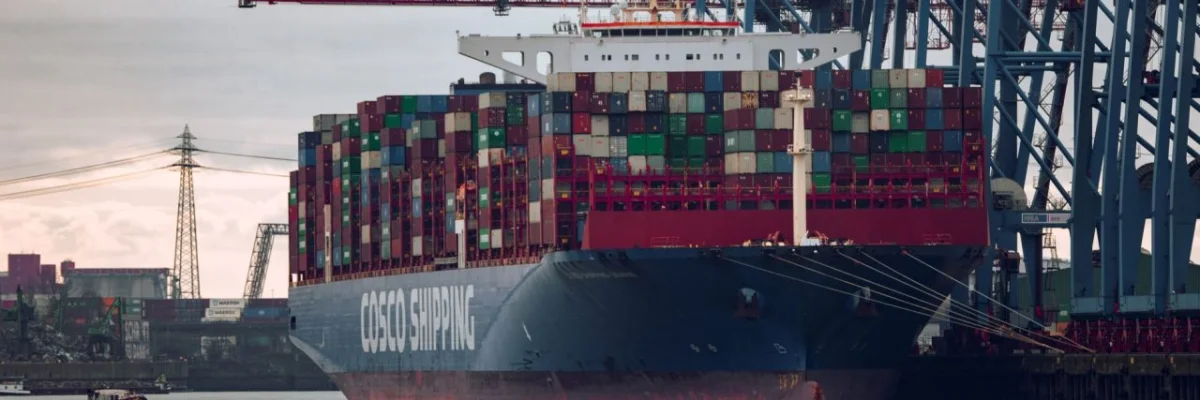
Navigating the complex landscape of global customs compliance remains one of the most significant challenges for modern freight forwarders. As international trade regulations evolve with unprecedented speed, the margin for error shrinks daily. Forwarders must balance the pressure for rapid logistics throughput with the absolute necessity of regulatory adherence. Failure to comply leads to severe financial penalties, operational delays, and damaged reputation. Leveraging modern technology platforms like MakeCargo helps professionals streamline documentation and ensure visibility across every shipment. By prioritizing accuracy and digital transformation, forwarders can turn compliance from a burdensome administrative hurdle into a competitive advantage that fosters long-term client trust and operational success.
Automating Trade Documentation Processes

Digital transformation revolutionizes how forwarders handle trade paperwork, replacing error-prone manual entry with automated precision. By integrating cloud-based software, teams can ensure that every customs declaration aligns perfectly with underlying shipping documents, minimizing the risk of costly discrepancies during port clearance.
- Data accuracy validation: Integrated software tools automatically verify data points against current trade regulations to flag potential errors before they reach customs officials, significantly reducing the likelihood of shipment rejections.
- Standardized digital templates: Pre-configured document templates ensure consistency across all client files, allowing your team to generate necessary forms instantly while maintaining full compliance with international trade requirements.
- Real-time document tracking: Cloud platforms provide centralized storage for all essential manifests and certificates, giving your team immediate access to historical data for audits and rapid status updates.
- Automated workflow alerts: Smart systems notify staff when documentation is incomplete or nearing expiration, ensuring that proactive measures are taken to prevent bottlenecks during the critical customs release phase.
Adopting automated documentation workflows allows your team to focus on high-value logistics challenges rather than repetitive manual data entry. By minimizing human error through intelligent software, you ensure that every manifest adheres to local regulations. This shift not only accelerates the speed of customs clearance but also creates a more reliable and transparent experience for your global clients, ultimately strengthening your professional reputation.
Navigating International Trade Regulations

Staying updated with the shifting tides of international trade law is essential for any forwarder operating in a global market. Regulatory frameworks change frequently, requiring logistics professionals to remain agile and informed to prevent unexpected shipments from being held at borders.
- Proactive regulatory updates: Monitoring global tariff changes and import requirements allows forwarders to adjust their operational strategies in advance, ensuring clients remain fully compliant despite sudden policy shifts worldwide.
- Cross-border compliance expertise: Developing deep knowledge of specific regional trade agreements and local customs requirements helps forwarders navigate complex cross-border scenarios with high confidence and minimal operational disruption.
- Client advisory services: Providing expert guidance on classification and valuation helps your clients avoid common pitfalls, positioning your company as a strategic partner in their global supply chain.
- Audit readiness preparation: Maintaining organized records of all regulatory filings ensures your business is always prepared for external reviews, demonstrating your commitment to transparency and legal adherence.
The ability to interpret and apply complex trade regulations effectively distinguishes leading forwarders from their competition. By maintaining a deep understanding of regional compliance needs, you provide clients with peace of mind. This expertise acts as a shield against potential disruptions and costly fines, proving that your firm is not just moving cargo but managing risk intelligently within the global trading ecosystem.
Leveraging Technology for Risk Mitigation
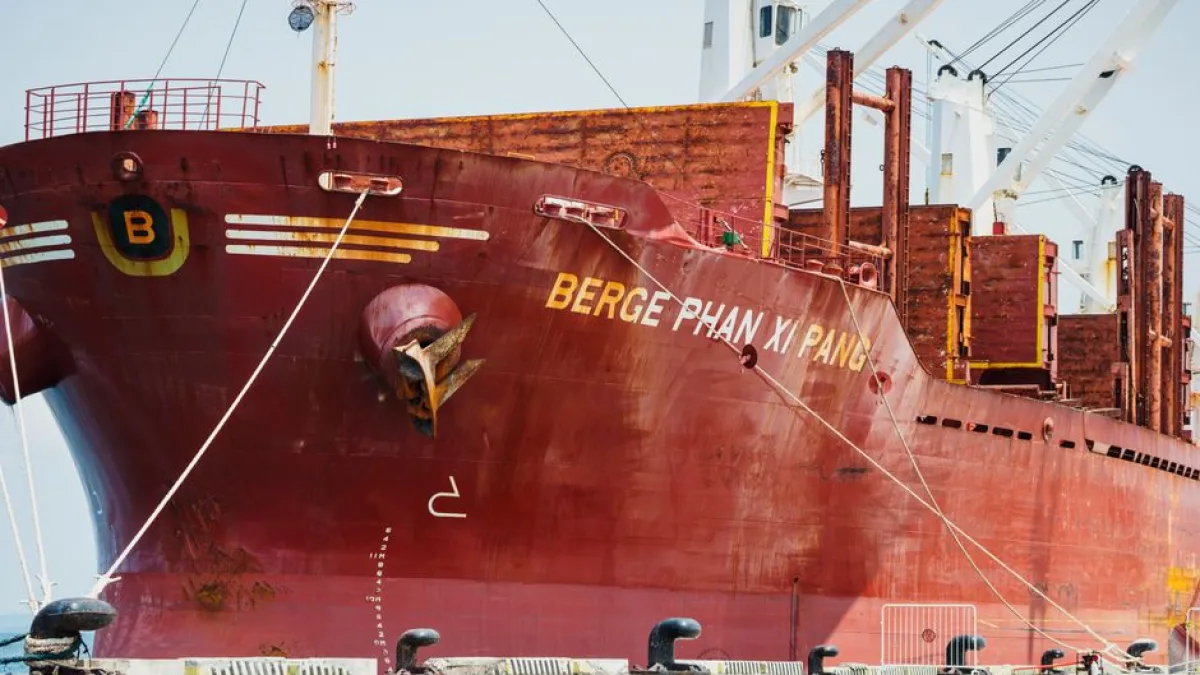
Technology serves as the primary defense against the multifaceted risks inherent in customs clearance. Advanced cloud software provides the visibility needed to manage potential liabilities, allowing forwarders to anticipate challenges before they escalate into serious issues that delay the entire supply chain.
- Predictive compliance modeling: Sophisticated data analytics help forwarders forecast potential clearance issues by identifying patterns in historical documentation, enabling teams to mitigate risks before they impact active cargo shipments.
- Secure cloud infrastructure: Protecting sensitive trade data with robust cybersecurity measures is vital for maintaining client confidentiality and meeting modern digital compliance standards during international shipping operations.
- Integration with authorities: Direct connectivity with customs portals allows for real-time filing and immediate feedback on shipment status, effectively streamlining the communication gap between forwarders and regulatory government agencies.
- Centralized error logging: Keeping a detailed log of every clearance discrepancy allows your team to perform root cause analysis, continuously improving your internal compliance protocols for future performance.
Using specialized software to mitigate risk is no longer optional in the freight industry. By harnessing real-time data and automated communication channels, you gain unprecedented control over the clearance process. This proactive approach prevents costly delays and builds a reputation for reliability. As technology continues to evolve, forwarders who prioritize digital risk management will be the ones who thrive in the global marketplace.
Building Trust Through Transparency

Transparency serves as the foundation for successful partnerships between freight forwarders and their clients. By providing clear visibility into the customs process, you create an environment of accountability, ensuring that all parties stay informed and aligned regarding the status of their cargo.
- Transparent status reporting: Providing clients with automated, live updates on their customs release status fosters high levels of confidence and reduces the frequency of urgent client support inquiries.
- Clear fee disclosure: Maintaining complete transparency regarding customs duties, taxes, and service charges prevents disputes and ensures a fair, predictable billing process for all of your global customers.
- Collaborative digital workspaces: Using shared software environments enables effective communication between forwarders, shippers, and customs brokers, ensuring that everyone works from a single source of truth at all times.
- Commitment to ethics: Demonstrating a firm stance on compliant and ethical trade practices attracts high-quality partners who value integrity, helping you build a sustainable business model long-term.
Establishing a culture of transparency is the most effective way to retain clients in a competitive market. When your clients understand every stage of the customs process, they feel more in control of their own supply chains. This clarity, supported by the right software, transforms the forwarding relationship from a transactional interaction into a durable, value-driven partnership that yields consistent results for years.
Conclusion
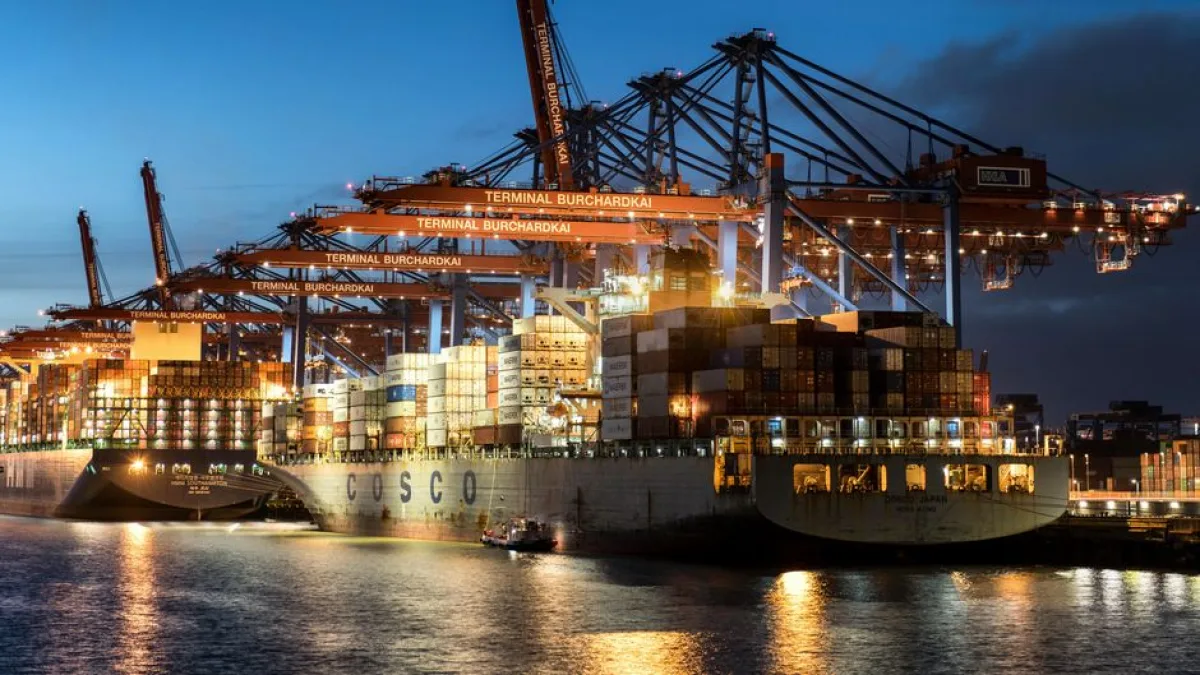
Achieving excellence in customs compliance requires a dedicated focus on technology, continuous learning, and absolute transparency. By integrating powerful software solutions like MakeCargo into your daily operations, you can effectively eliminate manual errors and streamline the complex clearance process. Commit to these professional standards today to secure your company against regulatory risks while delivering superior service that keeps your global clients consistently satisfied.