Mastering Customs Compliance in Modern Freight Forwarding
Thursday, August 27 2026
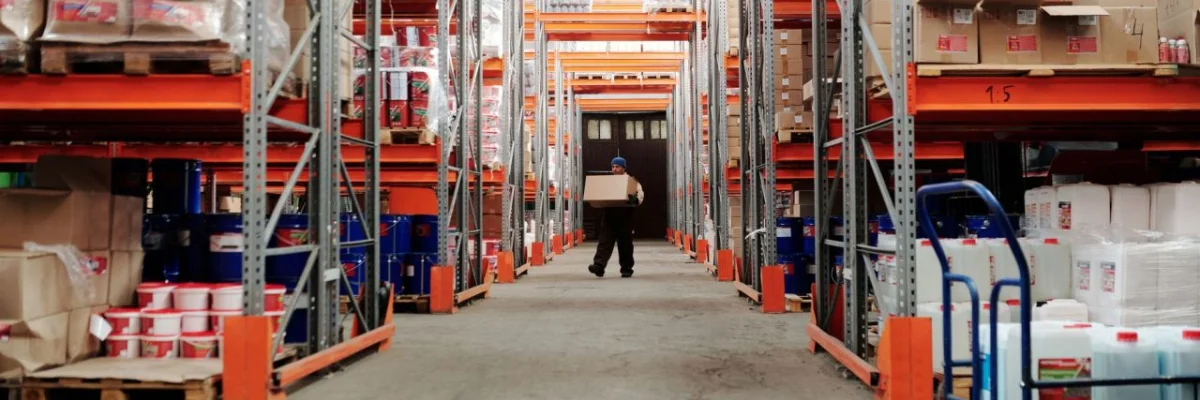
Navigating the complex landscape of international trade requires freight forwarders to maintain impeccable standards for customs compliance. As global regulations tighten and digital transformation sweeps through the logistics sector, accuracy in documentation and classification is no longer optional but a critical business necessity. By leveraging automated systems and staying informed on shifting trade policies, forwarders can mitigate risks, avoid costly penalties, and ensure the seamless movement of goods across borders. This article explores the vital strategies that professionals must adopt to remain competitive and compliant in an increasingly regulated and data-driven global supply chain environment.
The Criticality of Accurate Documentation

Precision in documentation serves as the backbone of every successful shipment. Forwarders must ensure that every commercial invoice, packing list, and certificate of origin aligns perfectly with regulatory requirements to prevent delays during customs clearance at major international ports or borders.
- Verification of Data: Every detail must be cross-referenced against the master bill of lading to ensure consistency across all shipping records, which effectively minimizes the risk of clearance hold-ups.
- Timely Filing Procedures: Submitting required declarations well ahead of arrival deadlines helps forwarders avoid unnecessary storage fees and administrative penalties that often arise from incomplete or late documentation filings.
- Standardised Document Templates: Utilizing cloud-based software ensures that all team members use consistent templates, which significantly reduces human error and maintains high data integrity across every single transaction.
- Audit Trail Maintenance: Keeping a clear and digital record of every document version provides necessary transparency for regulatory audits, ensuring that your operations remain fully accountable to authorities.
- Digital Integrity Checks: Automated validation tools can instantly flag missing signatures or incorrect tax identification numbers, allowing staff to correct errors before the shipment reaches a customs official.
Establishing robust documentation protocols is essential for protecting your reputation and operational budget. By embracing digital systems that enforce data consistency, you reduce the likelihood of manual entry errors. Consistently accurate paperwork accelerates the movement of freight, improves client satisfaction, and fosters long-term trust with customs authorities globally, ultimately positioning your firm as a reliable partner in the fast-paced world of logistics.
Navigating Evolving Trade Regulations
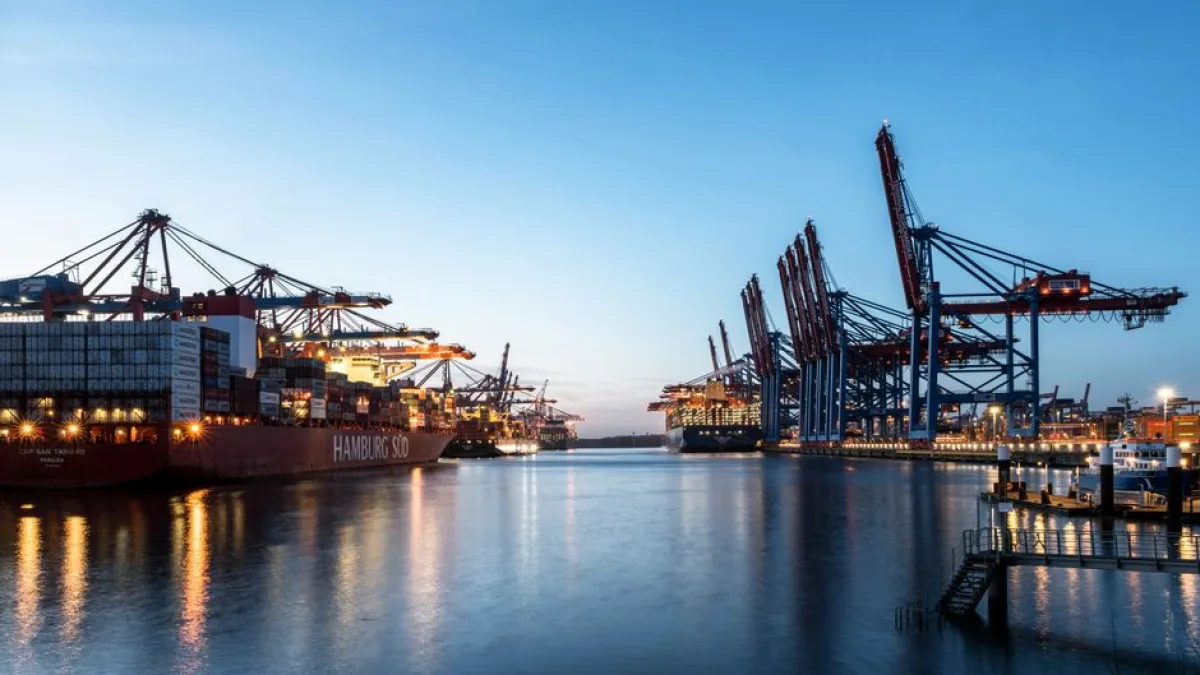
Global trade laws are constantly changing due to geopolitical shifts and environmental policies. Forwarders must proactively monitor these developments to adjust their operational strategies, ensuring that all cargo remains fully compliant with the latest international trade restrictions and tariff structures.
- Monitoring Policy Shifts: Dedicated teams or automated alerts should track updates from trade departments to ensure that your business strategy adapts rapidly to new international shipping requirements.
- Tariff Classification Accuracy: Correctly assigning Harmonized System codes is crucial for calculating duties accurately, preventing significant financial losses or legal disputes with national customs departments and trade agencies.
- Sanctions Screening Tools: Integrating advanced screening software helps identify restricted entities or prohibited items, protecting your company from severe legal repercussions and unintentional involvement in illicit trade activities.
- Regional Trade Agreements: Understanding specific regional deals allows forwarders to leverage preferential duty rates, which provides your clients with a distinct competitive advantage during international pricing negotiations.
- Regular Staff Training: Continuous education programs ensure that your employees understand the latest regulatory nuances, which is vital for maintaining high standards of service throughout your operations.
Proactive monitoring of global trade law changes is the only way to avoid the pitfalls of non-compliance. By investing in real-time alert systems and conducting frequent staff training, your company stays ahead of legal curveballs. This forward-thinking approach prevents the costly delays associated with regulatory updates, ensuring that your clients enjoy a seamless and worry-free experience regardless of the shifting international political landscape.
Leveraging Technology for Compliance

Digital tools have revolutionized how freight forwarders handle customs filings. By integrating sophisticated software solutions, companies can automate repetitive tasks, ensure data transparency, and drastically reduce the risk of non-compliance through advanced validation and real-time shipment monitoring capabilities.
- Automated Data Entry: Implementing intelligent data capture tools eliminates manual typing mistakes, ensuring that critical information flows directly from orders into customs systems with extreme accuracy and speed.
- Real-time Visibility Dashboards: Centralized digital platforms provide total control over documentation, allowing managers to monitor compliance status in real-time across multiple shipments and different international shipping corridors.
- Integration With Authorities: Connecting directly to government trade portals via API streamlines the submission process, creating a faster pathway for electronic clearance and reducing total transit times.
- Cloud Data Storage: Storing all compliance information in a secure cloud environment guarantees that documents are accessible for inspection anytime, anywhere, and from any authorized device.
- Predictive Risk Analytics: Modern software can analyze historical data to predict potential compliance bottlenecks, allowing your team to proactively address risks before they cause any disruption.
Adopting cutting-edge technology is no longer optional for freight forwarders striving for excellence. The transition from manual processes to integrated digital platforms creates a scalable foundation for growth. These systems not only enhance speed but also provide an audit-ready environment that satisfies the most stringent regulatory requirements, allowing your team to focus on strategic growth rather than getting bogged down in administrative errors.
Building Strong Customs Relationships

Fostering positive, professional relationships with local customs officials and regulatory bodies is a strategic advantage. Open communication and transparency can lead to smoother interactions, faster problem-solving during inspections, and a deeper understanding of regional requirements that differ across various global shipping markets.
- Open Communication Channels: Maintaining a constructive dialogue with local port authorities helps in resolving minor classification disputes quickly before they escalate into significant delays for your customers.
- Trusted Trader Status: Applying for authorized economic operator certifications can fast-track your cargo through customs, providing a distinct service advantage that your competitors may not yet offer.
- Transparency During Audits: Approaching regulatory inspections with full transparency and prepared documentation demonstrates professionalism, which builds long-term credibility with customs agents in your primary operating regions.
- Collaborative Problem Solving: When an issue arises, presenting a clear explanation and supporting documentation to officials demonstrates your commitment to compliance, often resulting in more favorable resolutions.
- Industry Networking Groups: Participating in trade associations allows your company to share intelligence about customs challenges, fostering a community-wide approach to solving complex international shipping hurdles effectively.
Building strong professional ties with customs authorities transforms a transactional relationship into a collaborative partnership. This trust often results in prioritized clearance and a smoother operational process during high-volume periods. By consistently demonstrating integrity and transparency in your communication, you secure your role as a preferred partner, minimizing friction and ensuring that your firm remains resilient even during times of heightened border scrutiny.
Conclusion

Maintaining high standards for customs compliance is the hallmark of a world-class freight forwarding firm. By integrating automated technology, staying updated on global policies, and building strong relationships with authorities, you safeguard your business against risks. Use these strategies to refine your compliance operations today. Contact our team at MakeCargo to learn how our software platform can help you achieve total operational excellence.