Mastering Customs Compliance in Modern Freight Forwarding
Saturday, August 29 2026

Navigating the complex landscape of international trade requires freight forwarders to maintain impeccable standards for customs compliance. As global regulations evolve and authorities implement stricter digital oversight, the risk of delays, penalties, and cargo seizure increases for those relying on outdated manual processes. Freight professionals must prioritize accuracy in documentation, classification, and reporting to ensure smooth cross border movements. This article explores essential strategies for modern forwarders to streamline their compliance workflows, mitigate risks, and maintain the trust of their clients while leveraging cloud technology to stay ahead of ever changing international customs requirements.
Automated Classification Processes

Modern freight forwarding relies on high speed data processing to ensure that every commodity receives the correct tariff classification code. Leveraging automated tools reduces human error and ensures that shipment descriptions align perfectly with global harmonized system requirements for every destination.
- Tariff code accuracy: Automated systems cross reference commodity descriptions against global databases to ensure the most precise HS codes are applied to every single line item in your shipment.
- Reduced manual errors: By removing manual data entry from the classification workflow, your team minimizes the risk of costly typos that often trigger customs audits and significant delays.
- System integration benefits: Direct integration with regulatory databases allows your software to pull the latest updates automatically, ensuring your classifications remain compliant with sudden changes in trade policy.
- Audit trail transparency: Digital logs provide a comprehensive history of how each classification was determined, offering peace of mind during potential reviews by government customs officials and auditors.
- Compliance consistency levels: Standardized digital workflows ensure that all team members apply identical logic to similar shipments, fostering a reliable and predictable environment for your global logistics operations.
Adopting automated classification is no longer optional for forwarders aiming to scale their operations effectively. By integrating these tools, you reduce the heavy administrative burden on your staff while significantly lowering the risk of fines and delivery delays. Consistent and accurate data handling is the foundation of a robust compliance strategy, allowing your business to manage complex international trade demands with confidence and professional agility.
Real Time Regulatory Updates
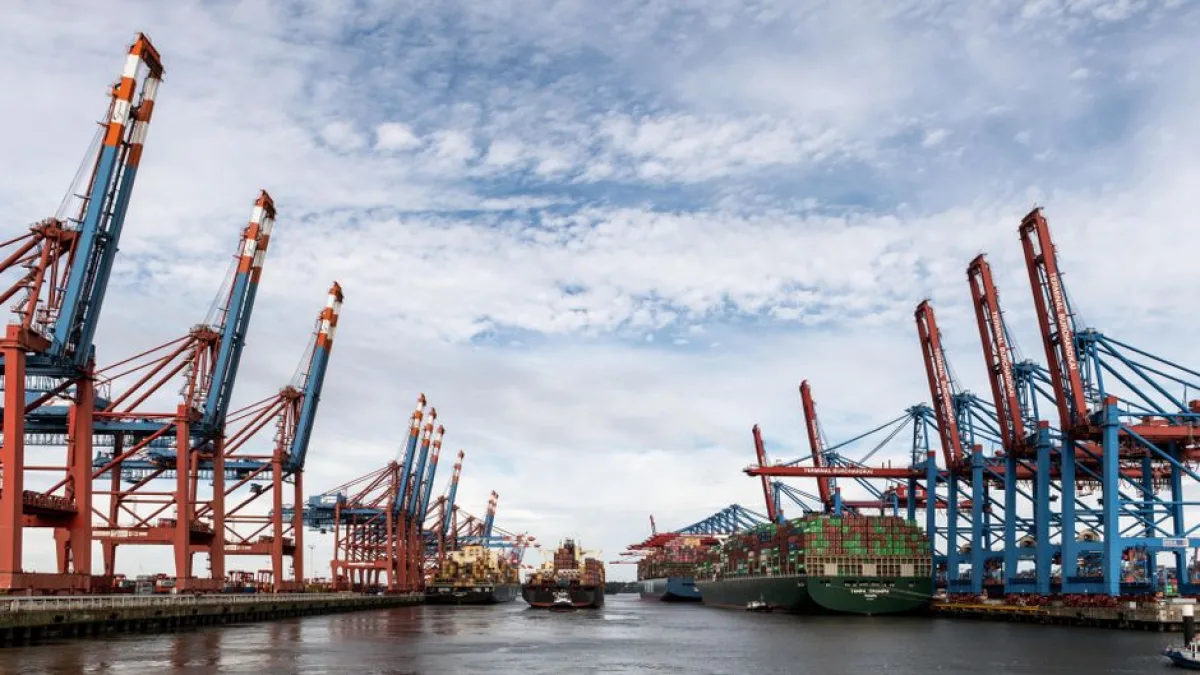
Staying informed about global trade regulations is a full time challenge for forwarders. Utilizing cloud platforms that push real time notifications about trade barriers, tariff changes, and documentation requirements ensures that your logistics operations remain compliant even during volatile geopolitical shifts.
- Instant regulatory alerts: Receive immediate notifications whenever trade laws change in your key operating regions, allowing you to adjust your documentation and shipping strategies well before departure.
- Global trade intelligence: Access comprehensive insights into international trade agreements that could impact your pricing, routing choices, and overall compliance strategy for various types of cargo.
- Duty calculation precision: Real time data feeds ensure that your duty and tax estimations are based on current regulations, preventing unexpected billing issues for your clients.
- Sanction list screening: Automatically verify all parties involved in a shipment against updated international denied party lists to protect your firm from potential legal repercussions.
- Policy change monitoring: Continuous updates regarding restricted items and new import quotas help you maintain compliance without requiring constant manual checks by your internal operations team.
Proactive monitoring of regulatory changes enables your firm to navigate international trade with unmatched precision. Instead of reacting to disruptions after they occur, you can adjust your planning to avoid non compliance issues entirely. This strategic approach strengthens client relationships by providing a layer of reliability that competitors often lack, ultimately positioning your business as a leader in the global freight industry.
Advanced Documentation Management
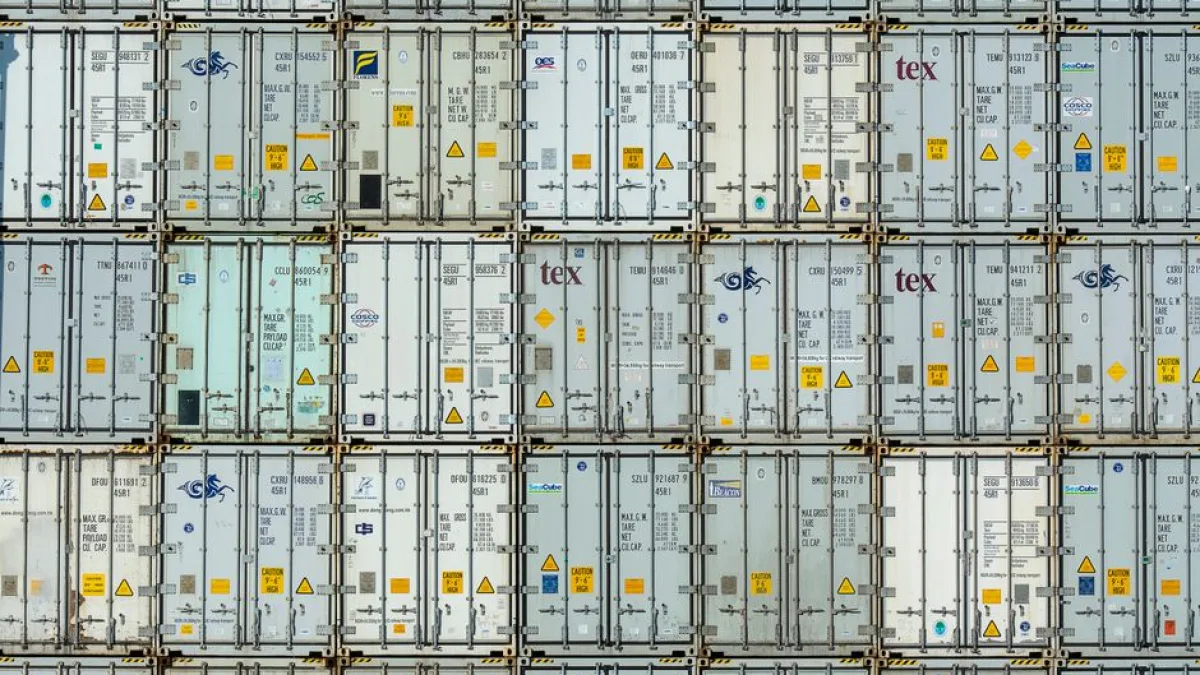
Effective customs compliance hinges on the quality and accessibility of your documentation. Centralizing all digital paperwork within a cloud based freight management system ensures that every document is accurate, secure, and available for instant submission to customs authorities globally.
- Centralized document storage: All bills of lading, commercial invoices, and packing lists are stored in one secure digital repository, making them easy to retrieve and audit.
- Digital signature authentication: Secure electronic signature processes verify the integrity of your documents, ensuring that they meet the rigorous legal standards required by international customs agencies.
- Version control systems: Automated version tracking prevents the use of outdated templates or incorrect data, ensuring only the most accurate information is submitted to authorities.
- Secure document sharing: Controlled access permissions allow you to share sensitive documentation with partners and customs brokers securely without risking unauthorized data exposure or leaks.
- Standardized template usage: Predefined document templates ensure consistency across your entire organization, which reduces confusion and improves the likelihood of rapid customs clearance for your customers.
High quality documentation is the primary defense against customs scrutiny and shipment holdups. By digitizing your filing systems, you transform a traditionally chaotic process into a structured, reliable workflow that supports high volume operations. This transition improves overall document accuracy and empowers your team to handle complex customs entries with speed, effectively removing the common bottlenecks that hinder growth and service delivery.
Seamless Broker Integration

Effective customs clearance requires tight collaboration between freight forwarders and licensed customs brokers. Connecting these parties through a unified software platform bridges the gap, ensures data parity, and accelerates the entire clearance process for your international import and export shipments.
- Unified data exchange: Direct system integration eliminates the need for manual file transfers, ensuring that brokers receive the exact data required to file entries without delay.
- Communication efficiency gains: Integrated chat and task management features reduce back and forth emails, keeping all status updates in a single, easy to track digital channel.
- Status update transparency: Both you and your clients can monitor the real time progress of customs entries, providing visibility that significantly improves the customer experience level.
- Error reporting loops: Automated alerts notify your team immediately if a broker identifies a discrepancy, allowing you to resolve the issue before it impacts your schedule.
- Performance tracking metrics: Analyze the performance of different brokerage partners using data gathered within your software to ensure that you are working with the best providers.
Building strong integration with your brokerage partners creates a unified front in the fight for customs compliance. By removing silos, you ensure that vital information flows seamlessly between parties, leading to faster clearance times and fewer disputes. Investing in these technical connections elevates your service standards, proves your commitment to operational excellence, and allows your logistics business to handle even the most complex cargo shipments.
Conclusion
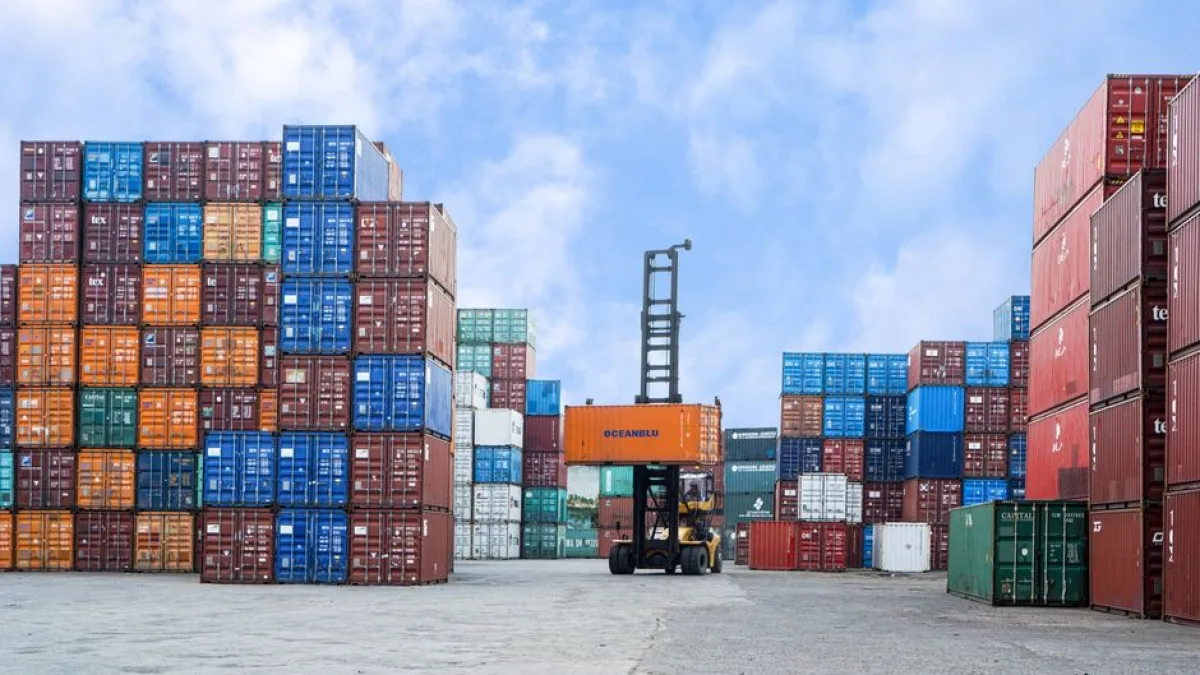
Maintaining excellence in customs compliance is the hallmark of a professional freight forwarder. By leveraging automated classification, real time regulatory monitoring, structured documentation, and integrated broker communication, you can build a resilient logistics network. MakeCargo supports your journey toward complete compliance, providing the digital tools necessary to streamline your workflows. Start optimizing your customs operations today to ensure long term success in global trade.