Mastering Customs Compliance in Modern Freight Forwarding
Tuesday, September 1 2026
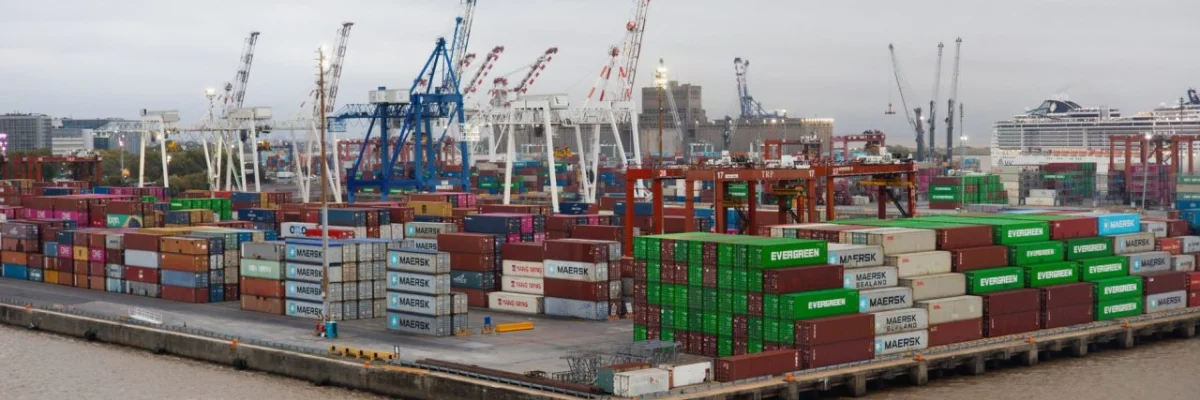
Navigating the complex landscape of international trade regulations remains a critical challenge for freight forwarders operating in today globalized economy. As supply chains become increasingly intricate, the burden of ensuring absolute customs compliance falls squarely on logistics professionals. From tariff classifications to country specific filing requirements, the margin for error is razor thin. Failure to adhere to these strict mandates can lead to costly shipment delays, heavy financial penalties, and significant damage to your professional reputation. By prioritizing proactive compliance strategies and adopting advanced digital logistics technology, forwarders can mitigate these risks while streamlining the entire cross border movement process efficiently.
Automated Classification Systems

Modern freight forwarding relies heavily on precision when identifying goods for international import. Automated classification systems significantly reduce the risk of human error by utilizing advanced databases to categorize shipments correctly, ensuring that duties and taxes are calculated accurately every single time.
- Real time updates: These systems integrate directly with government customs portals to ensure that your classification codes reflect the most recent regulatory changes without any manual intervention or delay.
- Standardized data entry: By enforcing rigid input requirements, automated tools prevent incomplete declarations that frequently trigger inspection requests from border agencies or result in unexpected financial penalty assessments.
- Historical data tracking: Maintain a centralized record of previous classifications to ensure consistency across similar commodities and provide a reliable audit trail for future customs compliance inspections.
- Integrated duty calculation: Instant access to tariff schedules and tax rates allows logistics managers to provide accurate landed cost estimates to their customers before the cargo departs.
- Cloud based access: Centralized digital platforms allow your entire operations team to collaborate on customs documentation from any location, ensuring that information remains consistent and easily accessible.
Adopting these automated systems transforms how your agency approaches customs compliance by shifting from reactive troubleshooting to proactive management. When your team can rely on precise classification data, the entire workflow becomes more transparent and less prone to expensive interruptions. Investing in such technology is no longer an optional luxury but a fundamental requirement for staying competitive in the fast paced logistics sector today.
Global Regulatory Harmonization

Operating across international borders demands a deep understanding of varied regional trade laws and customs frameworks. Effective compliance management requires forwarders to stay aligned with global standards, ensuring that shipment documentation satisfies the diverse legal requirements of both exporting and importing countries.
- Standardized filing formats: Utilizing globally recognized digital standards for customs documentation ensures that data is easily readable by customs authorities in various jurisdictions around the world simultaneously.
- Country specific profiles: Maintain updated digital profiles for every destination market to ensure that your staff is always aware of unique import restrictions or documentation mandates.
- Ongoing compliance training: Invest in regular education for your staff members to ensure they remain informed about evolving international trade agreements and regional compliance updates regularly.
- Multi language capabilities: Advanced software solutions support documentation generation in multiple languages, reducing confusion and preventing delays caused by misunderstandings between regional agents and customs officials.
- Customs broker collaboration: Foster strong partnerships with local customs brokers who possess specific expertise in regional laws, ensuring that your compliance efforts are supported by local knowledge.
Navigating the complexities of global harmonization is essential for maintaining a seamless international supply chain. By prioritizing standardized processes and continuous staff training, your agency can avoid the pitfalls of regional noncompliance. Focusing on these core elements allows your team to expand their global reach confidently, knowing that every shipment is backed by a robust and reliable compliance framework that effectively protects you.
Proactive Risk Mitigation Strategies

Identifying potential vulnerabilities before they turn into shipment delays is the hallmark of a successful freight forwarding agency. Proactive risk management involves continuous monitoring of trade flows and documentation to detect irregularities early, thereby allowing for swift corrective actions before cargo reaches customs.
- Predictive data analytics: Use sophisticated analytical tools to identify high risk shipments that might trigger inspection alerts, allowing you to review documentation thoroughly before the cargo arrives.
- Document audit trails: Maintain granular digital records of all communication and paperwork changes, providing full transparency and accountability for every step within your internal shipping processes.
- Compliance monitoring alerts: Configure automated alerts within your software platform to notify team members when regulatory thresholds or specific document expiry dates are approaching for active shipments.
- Vendor compliance validation: Implement a systematic process for vetting all external partners and carriers to ensure they meet your high standards for legal and ethical trade.
- Regular internal audits: Conduct periodic reviews of your customs filing processes to identify weaknesses and refine your procedures, ensuring that you remain audit ready at all times.
Building a proactive culture around compliance significantly reduces the likelihood of facing punitive actions from trade authorities. When your internal teams are empowered with the right tools to identify and address risks in real time, the entire operation becomes more resilient. This strategic shift not only protects your bottom line but also enhances the trust and confidence that your customers place in you.
Optimized Digital Customs Workflow

The final pillar of effective customs management is the full integration of digital workflows that remove manual bottlenecks. By connecting your freight forwarding software directly to customs filing systems, you achieve a higher degree of speed and accuracy that manual data entry simply cannot match.
- Seamless system integration: Connect your primary freight platform to government filing APIs to facilitate the direct transmission of shipment data without any repetitive manual data entry tasks.
- Centralized document storage: Keep all invoices, packing lists, and compliance certifications in a secure cloud environment, ensuring that relevant authorities can access required information instantly when requested.
- Electronic signature support: Streamline the approval process by utilizing digital signatures for all customs declarations, which significantly accelerates the document preparation phase for time sensitive international shipments.
- Workflow automation rules: Set custom business rules within your software to trigger specific compliance tasks, ensuring that nothing is overlooked during the busy cargo booking and movement process.
- Performance reporting tools: Analyze your compliance performance metrics to identify trends or recurring issues, providing actionable insights that help you optimize your shipping workflows over time.
Optimizing your digital customs workflow is the ultimate way to maximize efficiency and maintain long term compliance excellence. By removing the friction associated with traditional paper based systems, you create a scalable environment where your team can handle increased shipment volumes without compromising accuracy. Embracing these advanced digital tools ensures your freight forwarding business remains agile, compliant, and ready for future industry growth.
Conclusion
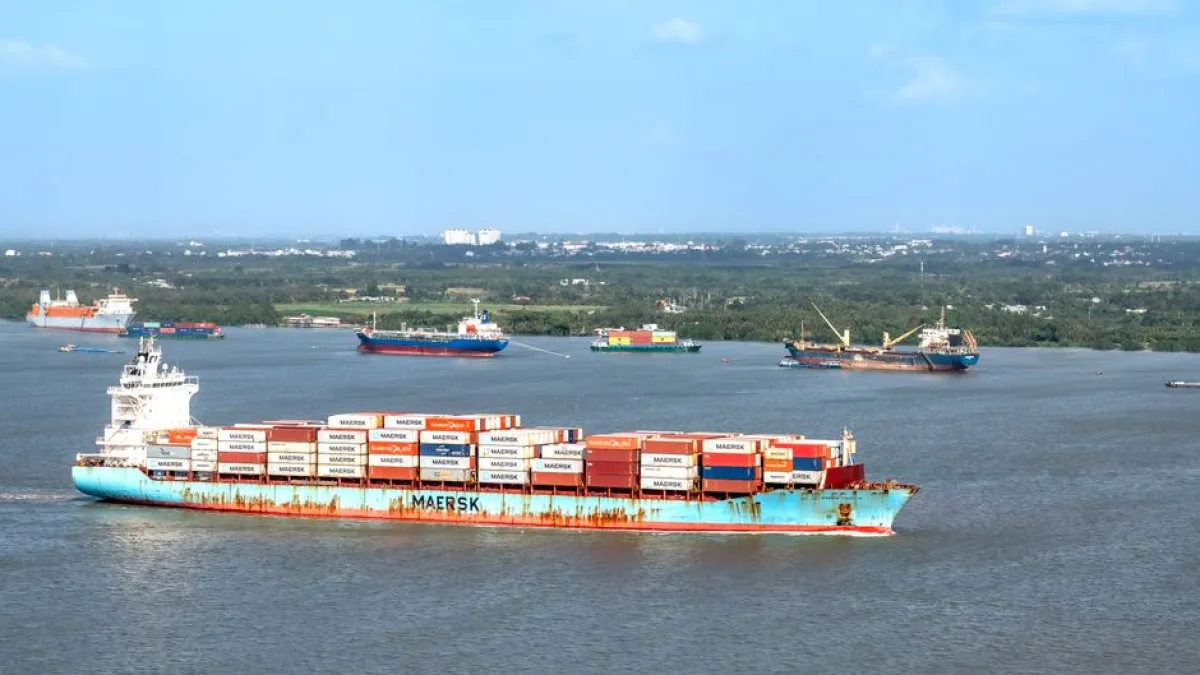
Staying ahead of the evolving customs landscape requires a blend of advanced technology and rigorous operational standards. By centralizing your data, automating key compliance tasks, and fostering a culture of proactive risk management, your agency can overcome regulatory hurdles with ease. Use these strategies to refine your operations today and strengthen your reputation as a trusted, compliant partner in the global freight forwarding industry.