Mastering Customs Compliance in Modern Freight Forwarding
Tuesday, September 1 2026
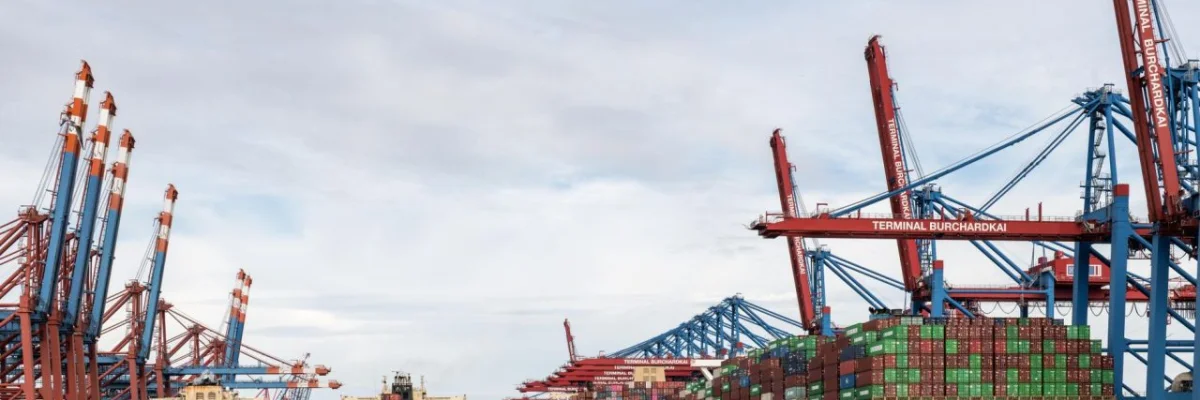
Navigating the complex landscape of international trade requires freight forwarders to maintain impeccable standards of customs compliance. As global regulations evolve and digital transformation reshapes the supply chain, the margin for error diminishes significantly. A single documentation oversight can lead to costly delays, heavy fines, or even the seizure of cargo. By leveraging advanced cloud-based technologies and adhering to rigorous classification protocols, forwarders can mitigate risk while ensuring the seamless movement of goods across borders. This comprehensive guide outlines the critical strategies every professional needs to implement to stay ahead of regulatory changes and enhance operational efficiency.
Understanding Trade Regulations
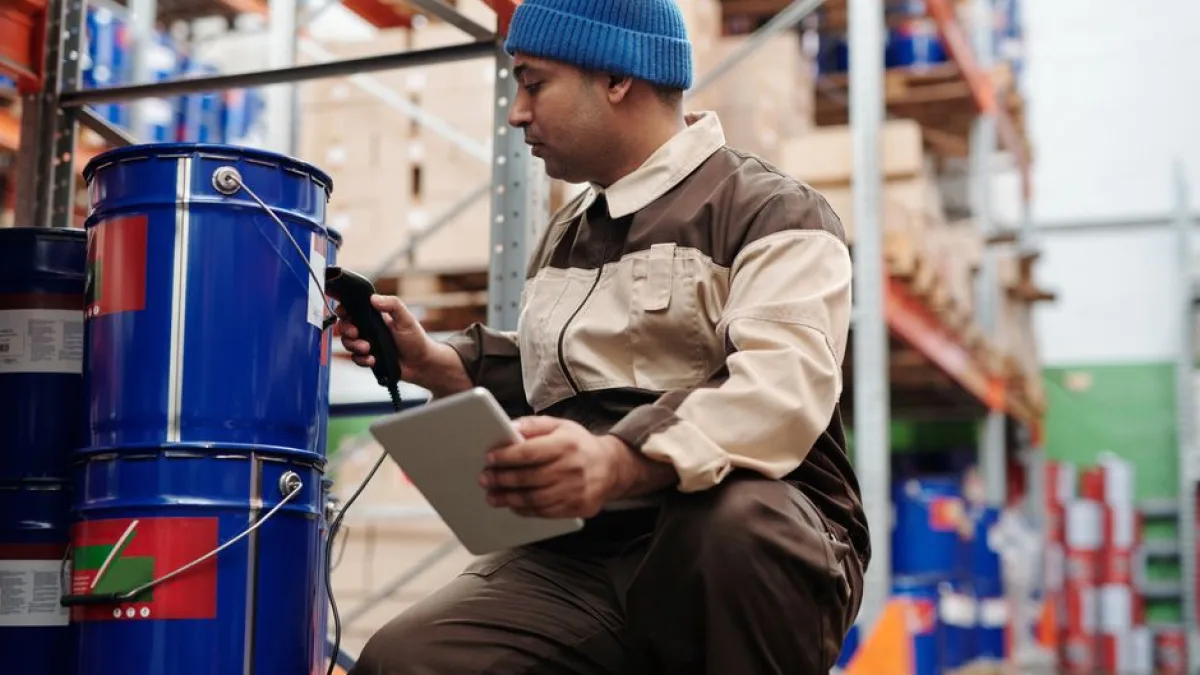
Staying updated with international trade law is a fundamental necessity for every logistics provider today. Global regulations fluctuate frequently, requiring constant monitoring of legislative updates that impact duty rates, preferential trade agreements, and essential security protocols for global freight transport.
- Continuous Legislative Monitoring: Freight forwarders must establish automated systems to track global trade policy changes in real time to ensure all shipments adhere to the most current international mandates.
- Harmonized System Accuracy: Assigning correct HS codes is vital because incorrect classifications lead to miscalculated duties, severe shipping delays, and potential audits from national customs authorities globally.
- Preferential Trade Agreements: Professionals should actively identify eligible trade deals to leverage reduced tariff rates, which significantly improves the competitive cost profile for their client base shipping globally.
- Risk Mitigation Strategies: Implementing internal audit programs helps identify non-compliance issues before they escalate into expensive legal penalties or permanent loss of cargo import privileges for clients.
- Documentation Verification Protocols: Rigorous secondary checks on commercial invoices and certificates of origin are essential to prevent costly discrepancies during the final customs clearance processing of goods.
Adopting a proactive stance toward regulatory updates transforms compliance from a burdensome administrative task into a competitive advantage for your firm. By integrating automated software solutions into your daily workflow, your team can eliminate manual errors and ensure consistent adherence to changing legal standards. Consistent attention to these details builds long-term trust with customs agencies and establishes your reputation as a reliable logistics partner.
Digital Documentation Management

The transition from paper-based processes to digital document management represents the most significant advancement in customs compliance. Digital platforms allow for secure, instantaneous data sharing between forwarders, shippers, and customs agencies, effectively minimizing human error and accelerating the clearance cycle.
- Cloud-Based Data Storage: Centralizing documentation in a secure cloud platform ensures that all stakeholders access the latest version of shipping records, preventing costly miscommunications during critical clearances.
- Automated Filing Systems: Using advanced software to automate the submission of electronic entries significantly reduces the workload on staff while ensuring accuracy in data transmission to authorities.
- Digital Audit Trails: Maintaining a comprehensive digital history of every transaction provides immediate transparency for regulatory audits, saving time during inspections and verifying full institutional compliance.
- Interoperability With Authorities: Seamless integration between freight software and government customs portals ensures rapid processing times and provides immediate feedback on the status of imported shipments.
- Security and Encryption: Protecting sensitive client trade data with advanced encryption protocols is mandatory to maintain professional integrity and prevent unauthorized access to proprietary shipping information globally.
Modernizing your documentation workflow is no longer optional but a strategic imperative for surviving in the modern logistics sector. By utilizing cloud-based systems, you provide your clients with enhanced visibility while reducing the administrative burden on your staff. Embracing this digital shift ensures that your company remains resilient against supply chain disruptions and highly prepared for the demands of modern international trade.
Classification and Valuation Accuracy
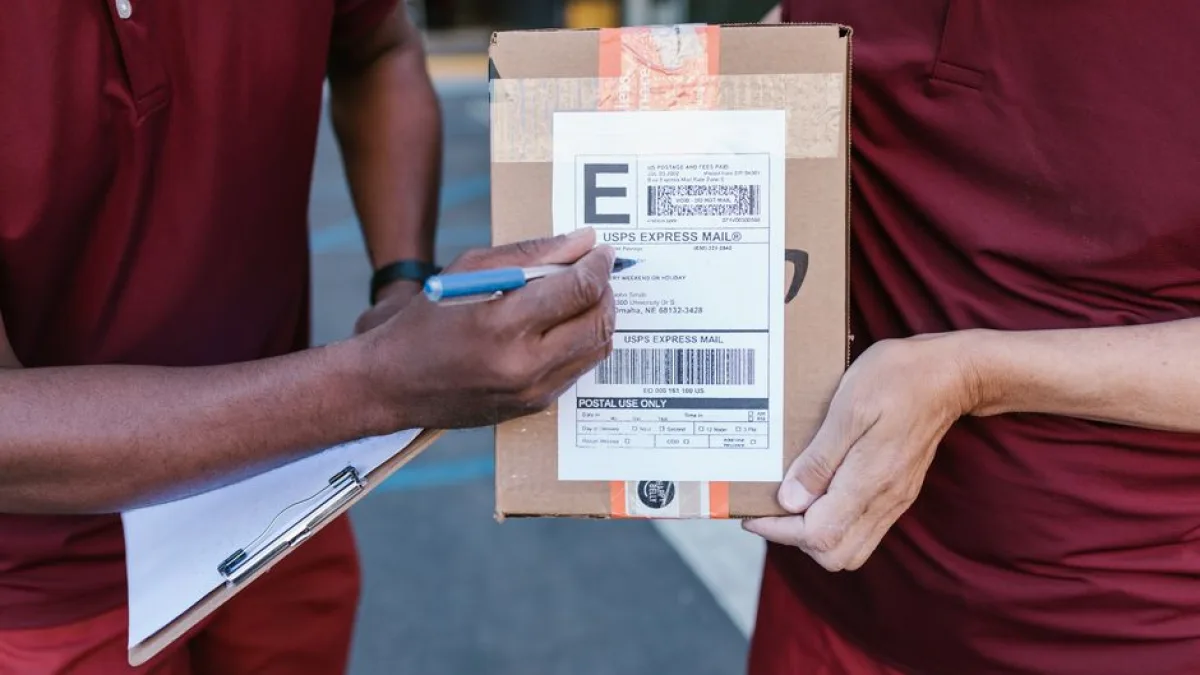
Precise product classification and accurate valuation remain the bedrock of global trade compliance. These elements determine the exact duties and taxes applicable to every shipment, and any discrepancy here often triggers intense scrutiny from customs inspectors during the border clearance process.
- Product Master Databases: Creating a centralized database of your clients products allows for consistent and rapid classification that prevents discrepancies across multiple shipments and diverse geographical regions.
- Valuation Method Compliance: Ensuring all valuation methods follow WTO guidelines protects your firm from allegations of undervaluation, which frequently leads to significant fines and increased audit scrutiny.
- Detailed Commodity Descriptions: Providing exhaustive descriptions of transported goods allows customs agents to verify classifications easily, thereby minimizing the risk of cargo being held for examination.
- Handling Controlled Goods: Specialized training is required for managing goods subject to export controls, including dual-use technology, to ensure compliance with strict national security and trade regulations.
- Duty Drawback Identification: Expertly managing duty drawbacks allows your clients to recover paid duties on re-exported goods, which adds substantial financial value and strengthens your client partnerships.
Mastering the intricacies of classification and valuation distinguishes high-performing forwarders from the rest of the industry. By investing in staff training and specialized software, you ensure that every declaration accurately reflects the nature and value of the shipment. This precision minimizes the likelihood of costly interventions at the border, allowing your clients goods to move efficiently and effectively through the customs process.
Building Strong Regulatory Relationships

Developing collaborative relationships with customs authorities and trade professionals creates a buffer during challenging regulatory shifts. Open communication channels with government agents allow forwarders to clarify complex requirements and ensure they are well prepared for changes in import or export security measures.
- Engagement With Authorities: Participating in industry forums allows forwarders to discuss regulatory trends directly with officials, facilitating a deeper understanding of upcoming changes in trade enforcement standards.
- Continuous Professional Training: Regular workshops and certification programs for staff ensure that your team remains knowledgeable about the latest legal requirements and compliance best practices worldwide.
- Client Education Programs: Educating your customers on their compliance responsibilities improves the overall quality of documentation provided, leading to fewer delays and a smoother shipping experience overall.
- Industry Association Membership: Joining trade associations provides access to critical updates and collective advocacy efforts that shape the future of customs policies and operational logistics standards.
- Proactive Conflict Resolution: Establishing clear protocols for communicating with customs agencies during shipment holds enables faster resolution times and demonstrates professional competence to both clients and authorities.
Strong relationships with regulatory bodies foster an environment of trust that facilitates smoother operations for your global clients. When you take the time to engage constructively with officials, you gain valuable insights that help you navigate complex trade landscapes. This collaborative approach ensures that your firm stays compliant while demonstrating the professional dedication necessary to excel in the global freight forwarding industry today.
Conclusion

Success in modern freight forwarding is inextricably linked to your ability to maintain rigid customs compliance. By mastering documentation, leveraging digital tools, ensuring classification accuracy, and building professional relationships, you safeguard your business against avoidable risks. Prioritizing these foundational elements allows you to deliver exceptional service while maintaining the trust of customs authorities and your diverse client base in the global market.