Mastering Customs Compliance in Modern Freight Forwarding
Wednesday, September 2 2026
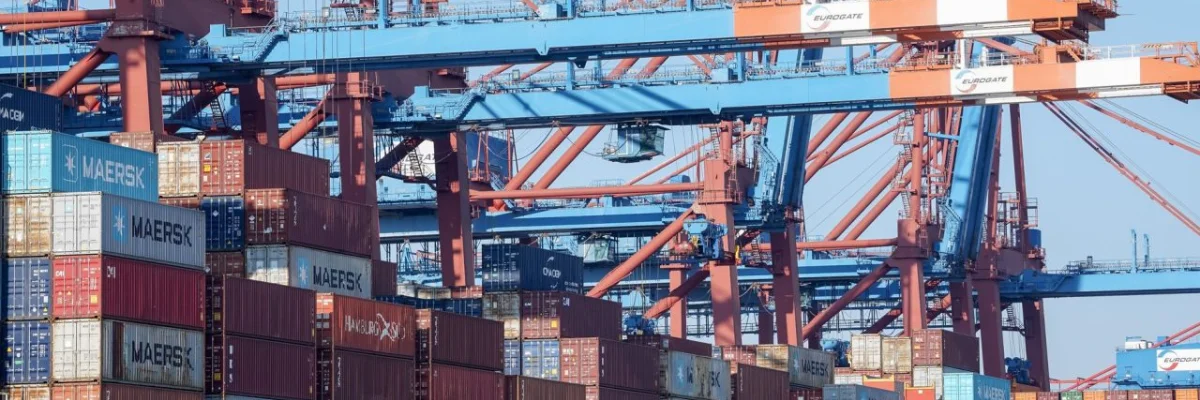
Navigating the complex landscape of global customs compliance remains one of the most significant challenges for modern freight forwarders. As international trade regulations evolve with increasing speed, the pressure to maintain accuracy while ensuring rapid clearance becomes overwhelming for manual processes. Forwarders must move beyond legacy systems to embrace digital transparency and automated verification to mitigate risks of delays or financial penalties. By prioritizing technological integration and regulatory awareness, your logistics operations can transform compliance from a source of stress into a competitive advantage that builds trust with clients and prevents costly border disruptions.
The Role of Data Integrity

Reliable data serves as the foundation for successful customs entries and regulatory reporting. When documentation lacks precision, the entire supply chain faces the risk of inspection, hold-ups, and fines. Digital tools now help forwarders standardize input to ensure every submission reflects reality.
- Consistent Data Mapping: Establishing uniform data standards across your software platform ensures that every shipment entry is complete and adheres to the specific requirements of destination customs authorities worldwide.
- Automated Validation Rules: Implementing strict validation logic prevents human errors by flagging missing information or incorrect tariff codes before documents are ever submitted to government regulatory portals.
- Centralized Documentation Storage: Maintaining a secure digital repository allows your team to retrieve audit trails instantly, simplifying the process of responding to sudden requests from customs officials during inspections.
- Synchronized Digital Filing: Integrating your operational software with customs systems reduces manual re-entry tasks, which effectively minimizes the risk of typographical errors that often lead to shipment rejections.
- Real-time Error Alerts: Proactive notification systems provide immediate feedback when data discrepancies occur, allowing your staff to rectify issues before they escalate into full scale customs clearance delays.
Prioritizing data integrity minimizes the margin for error and strengthens your reputation with border agencies. When information is clear, consistent, and readily available, your team can resolve potential discrepancies rapidly. Investing in robust software ensures that your business remains compliant despite changing legal frameworks, ultimately protecting your clients from unnecessary costs while streamlining the overall flow of goods through complex international borders.
Understanding Tariff Classification Accuracy

Correct tariff classification determines duty rates and the legitimacy of your goods moving across borders. Misclassification is a primary cause of audit failures, often resulting in heavy fines. Advanced software platforms now leverage AI to assist in selecting precise commodity codes.
- Automated Code Suggesters: Intelligent systems analyze commodity descriptions to recommend the most accurate HS codes, significantly reducing the likelihood of classification disputes during the formal customs review process.
- Historical Usage Patterns: Reviewing previous successful clearances helps your team identify common classification trends, ensuring consistency for recurring shipments and avoiding repetitive errors with specific product types.
- Regulatory Update Integration: Modern software automatically updates classification databases when government codes change, ensuring your business stays compliant without manual research or constant internal updates to records.
- Supplier Data Integration: Encouraging partners to upload accurate product data at the source helps ensure classification accuracy starts before the cargo even reaches the shipping port.
- Exception Management Protocols: Dedicated workflows for high-risk or complex commodities provide extra layers of scrutiny, ensuring that specialized goods meet all specific regulatory requirements for entry.
Accurate classification is not just about avoiding penalties but also about optimizing tax liabilities for your valued customers. By leveraging automated classification tools, your forwarding firm can ensure consistent performance even when handling diverse and intricate product catalogs. This commitment to precision fosters long-term reliability in your logistics operations, ensuring that goods move seamlessly without facing unexpected financial or regulatory hurdles during transport.
Navigating Changing Trade Regulations

The regulatory environment is constantly shifting as global politics and trade agreements evolve. Forwarders must maintain agility to adapt to new requirements, such as changed documentation standards or emerging security mandates. Keeping abreast of these modifications requires a combination of vigilance and scalable digital solutions.
- Dynamic Regulatory Databases: Subscription-based services integrated into your software push real-time updates regarding trade law changes, ensuring your team always works with the most current legal requirements.
- Workflow Customization Tools: Easily modify your internal processes whenever a new trade agreement takes effect, allowing your staff to adjust their operational checklists without extensive system re-engineering.
- Proactive Communication Modules: Automated alerts keep your customers informed about changing regional compliance requirements, demonstrating your commitment to their success and maintaining high levels of professional trust.
- Multi-jurisdiction Compliance Tracking: Managing trade laws across different continents becomes manageable when your software supports localized requirements alongside global standards for all your international logistics operations.
- Continuous Staff Training: Linking compliance software to internal training platforms ensures that your team understands the impact of new regulations on their specific daily job functions.
Adapting to shifting trade landscapes requires a proactive stance that balances speed with legal precision. By using technology to monitor regulatory changes, your firm can pivot quickly without disrupting the supply chain. This agility proves invaluable when navigating geopolitical uncertainties, enabling your business to maintain operational continuity while ensuring that all customs requirements are met with confidence and efficiency for your international clients.
Automating Compliance Reporting Tasks

Manual reporting is a time-consuming burden that increases the risk of oversight within the customs process. By shifting towards automated reporting features, freight forwarders save thousands of hours annually. These features provide clear visibility into your compliance performance while simplifying the creation of complex reports.
- Scheduled Compliance Reports: Automated generation of audit logs and duty reports ensures your team remains ready for inspections at all times without requiring dedicated manual labor effort.
- Performance Analytics Dashboards: Visualize your compliance metrics to identify bottlenecks or recurring issues within your customs processes, allowing for data-driven decisions that improve your overall operational efficiency.
- Standardized Export Documentation: Generate necessary export declarations automatically by pulling data directly from your shipment files, which eliminates duplicate entry tasks and reduces administrative overhead for staff.
- Audit-ready Export Formats: Ensure all your digital reports adhere to specific government file formats, making submission simple and error-free for your professional customs brokerage department.
- Customizable Reporting Templates: Create unique report layouts that satisfy both internal management requirements and external client needs, ensuring that everyone receives relevant and actionable compliance data.
Automation empowers your team to focus on high-value tasks instead of repetitive administrative chores. With your reporting functions fully integrated and streamlined, you gain a clearer view of your logistics network health. This efficiency allows your firm to scale rapidly and handle higher shipment volumes while maintaining strict adherence to international laws and customs standards, creating a sustainable foundation for your growth.
Conclusion

Success in customs compliance depends on your ability to leverage modern technology effectively. By maintaining data integrity, improving classification accuracy, staying ahead of trade laws, and automating your reporting, you position your firm as a leader in the global logistics market. Start streamlining your operations with MakeCargo today to ensure that your freight forwarding business remains fast, compliant, and ready for future growth.