Mastering Customs Compliance: A Freight Forwarder Guide
Sunday, September 6 2026
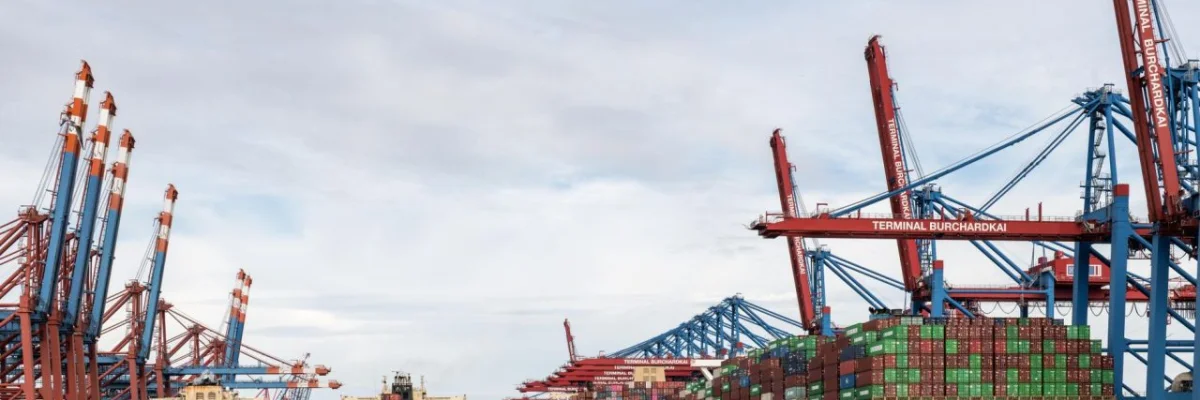
Navigating the complex landscape of international customs regulations requires precision, patience, and robust digital infrastructure. Freight forwarders today manage an overwhelming volume of documentation, tariff classifications, and shifting trade policies that can trigger costly delays or legal penalties if handled incorrectly. By adopting a proactive approach to compliance, logistics professionals can transform a burdensome administrative requirement into a significant competitive advantage for their clients. As global trade becomes increasingly volatile, the ability to automate routine checks and maintain audit-ready records is the ultimate hallmark of a reliable supply chain partner. This guide explores essential strategies to optimize your operational compliance workflow.
Understanding Regulatory Documentation

Effective customs processing starts with accurate documentation that serves as the blueprint for your entire shipment journey. Misaligned paperwork often leads to inspection holds, which disrupt delivery schedules and increase overhead costs for shippers, requiring meticulous attention to detail and consistent data validation.
- Commercial Invoice Accuracy: Ensure every item is clearly listed with its true transaction value to avoid discrepancies that customs authorities flag during audits or high-risk manual cargo inspections.
- Precise Packing Lists: Provide detailed weight and volume measurements for every package, as variance between documentation and physical reality causes significant delays at the border checkpoints.
- Certificates of Origin: Verify that origin documentation aligns with current trade agreements to help your clients leverage reduced duty rates while maintaining strict adherence to regional rules.
- Classification Codes Accuracy: Use updated HS codes for all goods to prevent classification disputes that occur when descriptions are vague or lack the necessary technical specificity required.
- Manifest Data Integrity: Confirm that all electronic manifests are submitted within the required time windows, as late filings frequently incur automated fines and lead to terminal congestion.
By standardizing your document collection process, you minimize the risk of human error that typically leads to rejection or audit. Implementing digital systems that flag missing information before submission allows your team to rectify issues early. This shift from reactive error correction to proactive document management drastically reduces port turnaround times, ensuring that your clients receive their goods without the frustration of unexpected customs interference.
Managing Tariff Classifications
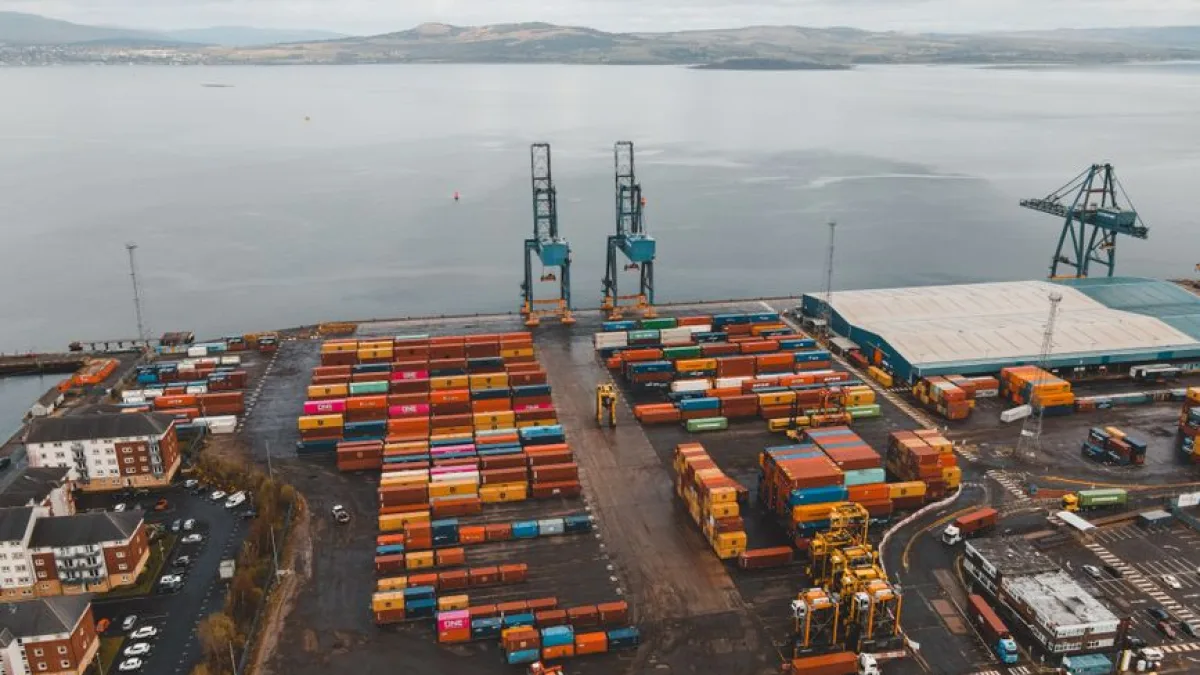
Correctly identifying the Harmonized System classification for every commodity is vital for duty calculation and regulatory compliance. Minor errors in coding can lead to unexpected tax assessments or severe non-compliance penalties, making the use of automated classification software an essential modern requirement.
- Automated Tariff Updates: Utilize software tools that automatically sync with global customs databases, ensuring you always apply current duty rates rather than relying on outdated internal spreadsheets.
- Detailed Item Descriptions: Include granular technical data in your database to simplify the classification process and support your decisions if a customs officer questions a specific code.
- Regular Data Audits: Conduct periodic internal reviews of your classification history to identify recurring errors and refine your team expertise regarding specific commodity groups or origin countries.
- Consulting Trade Experts: Engage with certified customs brokers or legal professionals when handling sensitive or high-value goods that require complex regulatory interpretation beyond standard import procedures.
- Cross-Referencing Global Rates: Verify that the classification logic used matches the requirements of both the exporting and importing countries to prevent costly reconciliation issues during the final transit.
Maintaining a sophisticated classification database is the most effective way to protect your business and clients from financial volatility. As regulations change, having a centralized system for updating HS codes allows your team to adapt quickly without disrupting service levels. This level of precision builds trust with customs authorities, positioning your freight forwarding firm as a leader in technical accuracy and reliable delivery performance.
Strengthening Digital Compliance Workflows

Transitioning from manual paperwork to integrated cloud-based systems is the most effective strategy for modern freight forwarders. Digital workflows provide visibility into every step of the clearance process, allowing for real-time adjustments and faster communication between shippers, carriers, and government agencies involved.
- Cloud Record Keeping: Store all customs documents in a secure, centralized cloud repository to ensure that your firm remains audit-ready for several years after the final shipment delivery.
- Real-time Status Tracking: Implement automated notifications that alert stakeholders the moment a shipment clears customs, providing transparency that improves your overall customer satisfaction and retention metrics.
- Automated Validation Rules: Configure your forwarding platform to reject incomplete entries, preventing the accidental submission of data that does not meet the strict standards set by national customs.
- Enhanced Data Security: Protect sensitive client information by using encrypted platforms that meet international standards for data privacy, ensuring that your compliance efforts do not compromise information security.
- Integrated API Connectivity: Leverage software integrations that connect your logistics platform directly to customs portals, reducing the need for manual data entry and minimizing the chance for typos.
Adopting an integrated digital ecosystem transforms compliance from a manual headache into a seamless background process. When data flows automatically between systems, your team gains the bandwidth to focus on strategic growth and relationship management rather than tedious administrative tasks. This technological edge is essential for staying competitive in a global market that demands speed, accuracy, and full transparency from all logistics partners.
Building Proactive Compliance Culture

Compliance should be a cornerstone of your company culture rather than just a legal requirement for your team. By training your staff on the latest regulations and fostering a mindset of accuracy, you create a robust barrier against the risks inherent in the complex world of international shipping.
- Consistent Staff Training: Schedule recurring training sessions that cover changes in international trade law to keep your team informed and capable of handling high-pressure customs scenarios efficiently.
- Internal Audit Teams: Establish a dedicated group of staff members tasked with performing random spot checks on shipments to ensure compliance quality remains high across all active accounts.
- Clear Compliance Policies: Draft comprehensive standard operating procedures that detail exactly how your team should handle customs issues, leaving no room for guesswork or unauthorized decision-making processes.
- Open Communication Channels: Create a reporting system where employees feel comfortable highlighting potential compliance risks or errors, fostering an environment where issues are resolved before they escalate further.
- Vendor Compliance Vetting: Audit your subcontractors and third-party partners to ensure their internal compliance standards meet your firm strict requirements, preventing downstream issues that you cannot easily control.
Building a strong internal compliance culture ensures that every shipment adheres to the highest industry standards. When every staff member understands the impact of their actions on the total supply chain, the overall risk of penalties and delays drops significantly. Investing in people and processes is the best way to secure your reputation as a reliable and law-abiding partner in international logistics.
Conclusion

Mastering customs compliance is a continuous process that requires a mix of advanced technology, rigorous training, and consistent operational focus. By refining your document management, optimizing tariff classification, and fostering a proactive culture, you can mitigate risk and improve efficiency. Use the strategies outlined in this guide to strengthen your freight forwarding business and provide superior service to your valued international clients today.