Mastering Customs Compliance in Modern Freight Forwarding
Saturday, September 12 2026
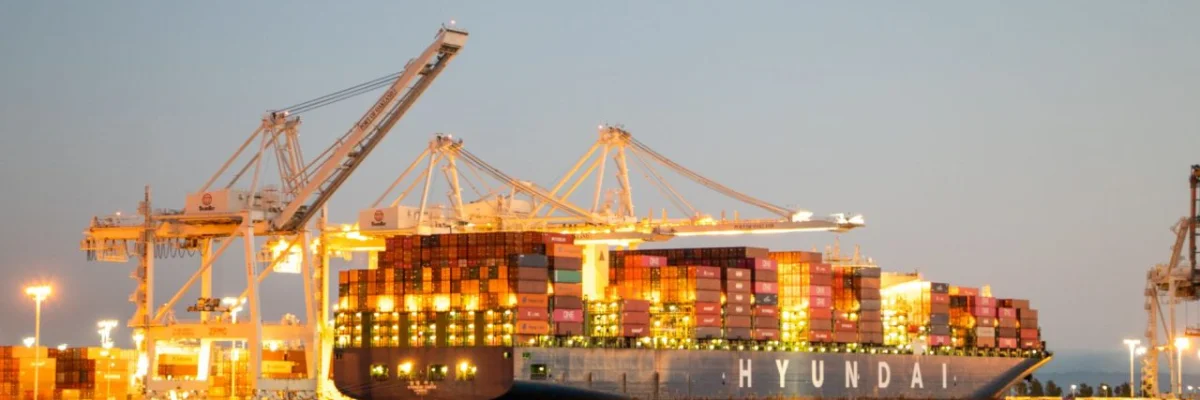
Navigating the complex landscape of international trade regulations requires precision, foresight, and a robust digital strategy. As global supply chains face increasing scrutiny, freight forwarders must prioritize customs compliance to avoid costly delays, severe penalties, and damaged client relationships. Modern trade environments demand real-time transparency and impeccable documentation standards that traditional manual processes simply cannot support. By integrating cloud-based software into your operations, you can bridge the gap between regulatory requirements and logistics execution. This guide explores the essential pillars of maintaining a compliant and efficient customs brokerage operation in today's fast-paced, interconnected global shipping marketplace.
Automating Trade Documentation Processes

Transitioning from paper-heavy workflows to digital documentation reduces human error and accelerates processing times at border checkpoints. Automation ensures that every piece of information aligns perfectly with government requirements, significantly lowering the risk of inspections and clearance holds for your clients.
- Data Integrity Assurance: Automated systems validate shipping data against international trade databases to ensure accuracy before submission, preventing common clerical errors that lead to customs rejection and costly shipping delays.
- Real-time Document Archiving: Cloud-based platforms store essential documentation in a centralized repository, allowing your team to retrieve records instantly during audits or specific inquiries from regulatory customs authorities worldwide.
- Standardized Form Templates: Implementing pre-formatted electronic templates ensures that every commercial invoice and packing list meets mandatory regulatory criteria, streamlining the creation of error-free documents for all global shipments.
- Automated Workflow Routing: Intelligent software routes documents to the appropriate compliance officers based on specific shipment parameters, ensuring that high-risk goods receive the necessary scrutiny before reaching the border.
By leveraging automated systems, you effectively remove the burden of manual data entry from your workforce. This shift empowers your team to focus on high-value strategy rather than repetitive administrative tasks. As regulations evolve rapidly, automated updates ensure that your operation remains compliant without requiring constant manual oversight, ultimately providing a competitive advantage through superior reliability and faster transit times for all your international partners.
Managing Evolving Regulatory Frameworks
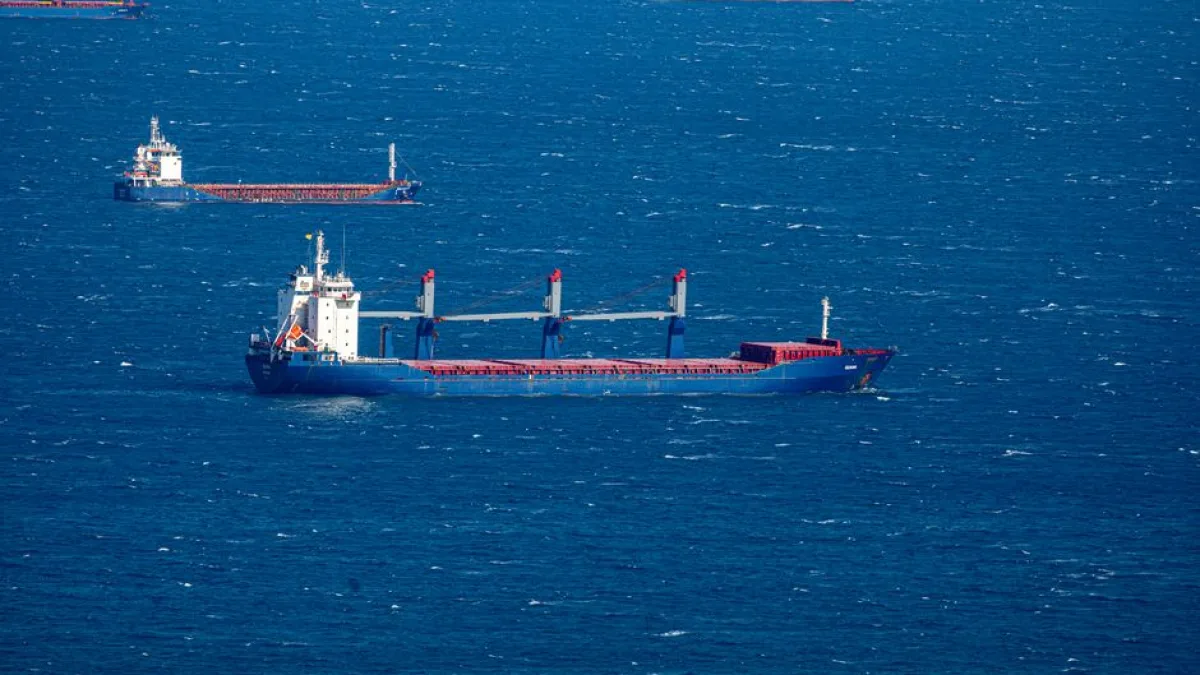
Global trade laws are in constant flux, requiring freight forwarders to stay agile and informed about sudden policy changes. A centralized software approach allows you to implement regulatory updates across your entire organization instantly, maintaining consistency across every international shipping lane.
- Dynamic Compliance Alerts: Receive instant notifications regarding changes in tariff codes or trade restrictions, enabling your operations team to adjust shipment strategies before penalties impact your bottom line.
- Centralized Policy Management: Maintain a single source of truth for all global trade procedures, ensuring that every branch office follows identical compliance protocols to avoid regional inconsistencies.
- Integrated Tariff Databases: Access updated harmonized system codes directly within your software platform to guarantee precise classification for all goods, preventing overpayments or underpayments of critical import duties.
- Audit Trail Transparency: Capture a permanent, timestamped log of all regulatory filings and communication, providing complete visibility and accountability for every transaction handled by your logistics staff.
Maintaining agility in a shifting regulatory landscape is essential for long-term survival in the freight industry. By embedding compliance intelligence directly into your daily software workflows, you minimize the risk of non-compliance fines and operational shutdowns. Forward-thinking companies utilize these digital tools to transform regulatory burdens into streamlined processes that support sustainable growth and enhance trust with both government authorities and clients.
Enhancing Supply Chain Visibility
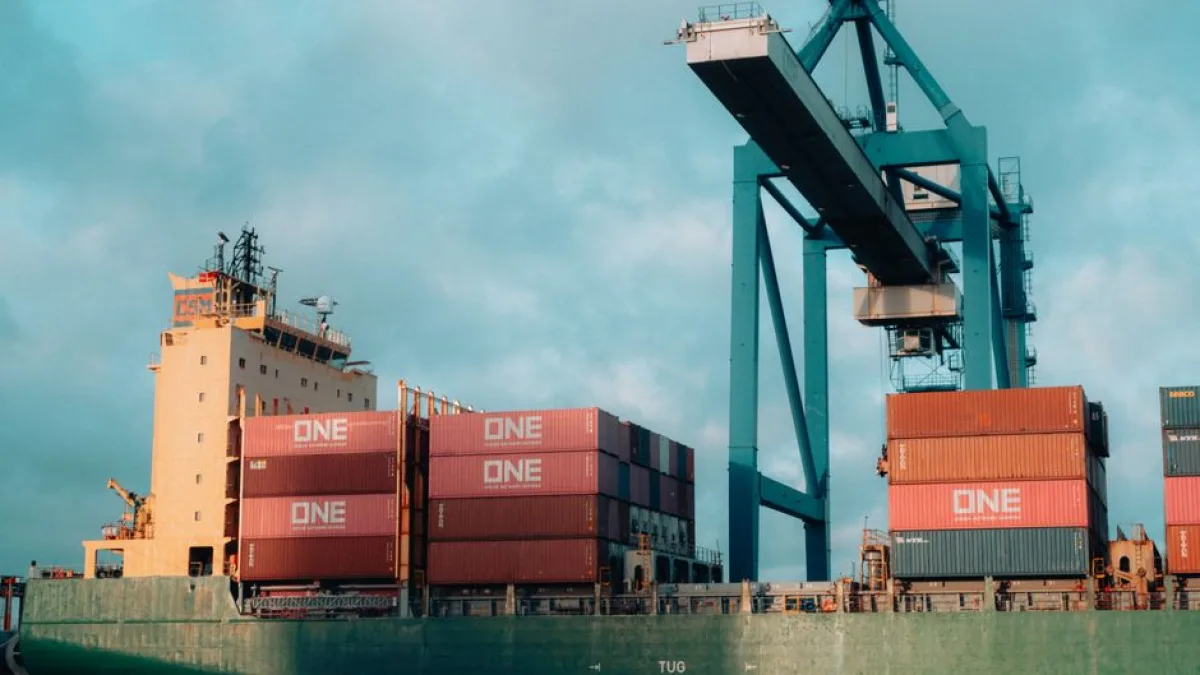
Deep visibility into the movement of goods is the cornerstone of effective customs management. Knowing exactly where cargo resides at any moment allows forwarders to proactively address potential compliance issues before they manifest as costly hold-ups at international border crossings.
- Real-time Milestone Tracking: Monitor every stage of the transit process through integrated dashboards that highlight customs status updates, allowing for immediate intervention if documentation issues or inspections occur.
- Predictive Risk Assessment: Utilize advanced analytics to identify shipments that are likely to face inspection based on historical data patterns and current trade compliance risk factors.
- Transparent Client Portals: Provide your customers with direct access to their shipment status and customs documentation, fostering trust through radical transparency and reducing the need for status calls.
- Exception Management Workflows: Configure custom triggers that alert your team when a shipment deviates from its planned timeline, facilitating faster resolution of customs-related bottlenecks and logistical challenges.
Visibility is more than just knowing a location; it is about understanding the compliance status of every item in your care. By utilizing cloud-based dashboards, you transform complex logistics data into actionable insights that prevent delays. This proactive approach saves time and demonstrates professional competence, ensuring your clients feel secure knowing that their valuable freight is managed by a highly sophisticated, data-driven partner.
Building Stronger Customs Partnerships

Compliance is a collaborative effort between forwarders, shippers, and customs agencies. Strong relationships, backed by reliable data, foster faster processing times and smoother trade operations for every stakeholder involved in the global shipping process today.
- Digital Communication Channels: Secure messaging features within your logistics platform allow for instant collaboration with customs brokers and officials, ensuring that clarifications are addressed quickly and efficiently.
- Simplified Reporting Protocols: Generate comprehensive reports for regulatory bodies with a few clicks, demonstrating your commitment to transparency and professionalism during periodic reviews and customs audits.
- Collaborative Document Review: Enable multiple stakeholders to review and approve customs filings in real-time, reducing communication lag and ensuring all parties are aligned on critical shipment information.
- Data-Driven Relationship Building: Use past compliance performance metrics to establish credibility with authorities, which can facilitate smoother processing for your future shipments and reduce overall inspection frequencies.
Fostering healthy partnerships is the final step in securing a compliant operation. By using technology to facilitate transparent communication, you move beyond the role of a service provider to become a trusted advisor in the trade community. These strong alliances are built on a foundation of accuracy and reliability, proving that your firm is a consistent, professional partner in the complex global marketplace.
Conclusion

Maintaining high standards of customs compliance remains the defining factor for success in international logistics. By integrating automated software solutions into your daily operations, you gain the control, visibility, and accuracy needed to navigate modern trade challenges successfully. Invest in the right technology today to build a future-proof foundation, satisfy regulatory demands with confidence, and deliver exceptional, uninterrupted service to your global shipping clients.