Mastering Customs Compliance: A Freight Forwarder Guide
Sunday, September 13 2026
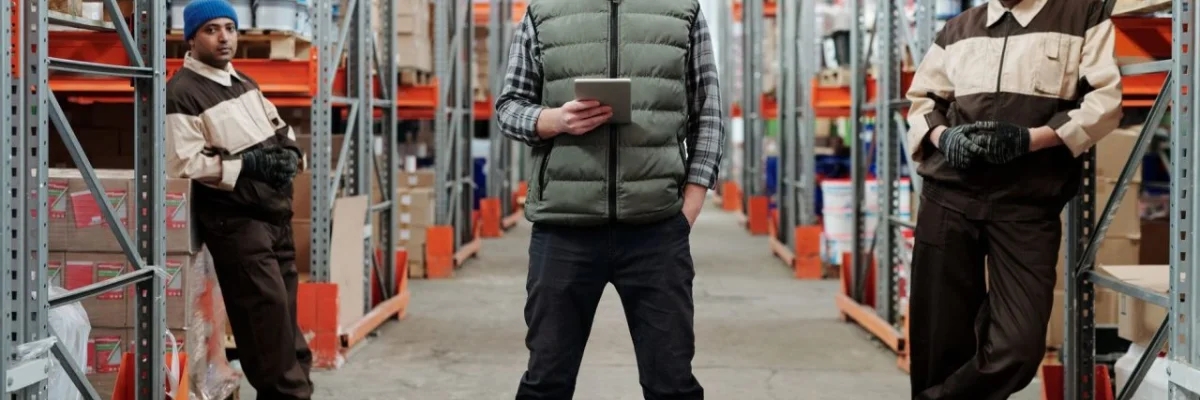
Navigating the complex landscape of international trade requires more than just logistical expertise. Freight forwarders today must act as frontline guardians of customs compliance to ensure the seamless movement of goods across borders. As regulatory frameworks evolve and global security standards tighten, the burden of accurate documentation and classification falls squarely on the shoulders of logistics providers. By integrating automated workflows and maintaining deep knowledge of local tariff codes, forwarders can mitigate risks, avoid costly delays, and build long-term trust with their clients. Staying ahead of these regulatory changes is the ultimate competitive advantage in the modern freight industry.
Digital Documentation Precision

Technology has transformed how documentation is handled by modern forwarders. Digital systems now allow for real time processing and error detection, ensuring that every manifest and declaration is filed correctly before the cargo arrives at the designated border checkpoint for clearance.
- Automated Data Validation: Digital tools verify shipping data against custom databases to flag discrepancies early, preventing manual input errors that often lead to heavy fines during the final clearance stage.
- Standardized Electronic Filing: By using unified software platforms, forwarders ensure that every regulatory document adheres to international standards, drastically reducing the time spent on repetitive and labor intensive filing tasks.
- Cloud Storage Access: Storing all compliance records in a central cloud environment allows teams to retrieve documents instantly during audits, ensuring full transparency and adherence to record keeping laws.
- Real Time Tracking: Monitoring shipment status through automated systems helps forwarders provide clients with accurate updates, ensuring that any compliance delays are communicated quickly to stakeholders during transit.
Adopting digital solutions is no longer optional for forwarders operating in global markets. When companies leverage cloud based software to manage their documentation, they significantly reduce the likelihood of human error. This technological shift empowers logistics teams to focus on strategic growth rather than administrative burdens. Ultimately, investing in digital precision creates a more resilient supply chain that can withstand even the strictest border regulatory environments.
Understanding Tariff Classification

Accurate tariff classification is essential for calculating the correct duties and taxes for any imported cargo. A simple mistake in the Harmonized System code can trigger investigations, audits, and significant financial penalties for both the forwarder and their client.
- HS Code Accuracy: Assigning the correct Harmonized System code is the foundation of global trade compliance, ensuring that all government assessments are calculated based on precise item descriptions.
- Continuous Staff Training: Regular training sessions ensure that logistics teams remain updated on international trade rules, preventing outdated codes from causing unnecessary friction during the customs inspection process.
- Proactive Product Analysis: Analyzing goods before export helps identify complex items that might require special permits or licenses, allowing forwarders to secure the necessary documentation well ahead of time.
- Resource Utilization: Utilizing expert databases and official customs guides enables teams to verify classifications against current legal requirements, which protects shippers from accidental misclassification and subsequent legal scrutiny.
Proper classification is the bedrock of a successful customs strategy for any freight forwarder. By taking a proactive approach to product analysis and staff education, firms can avoid the pitfalls associated with incorrect tariff applications. Maintaining this level of diligence minimizes risk while enhancing operational efficiency. This high standard of classification accuracy proves to authorities that your business prioritizes compliance above all else.
Managing Regulatory Trade Barriers
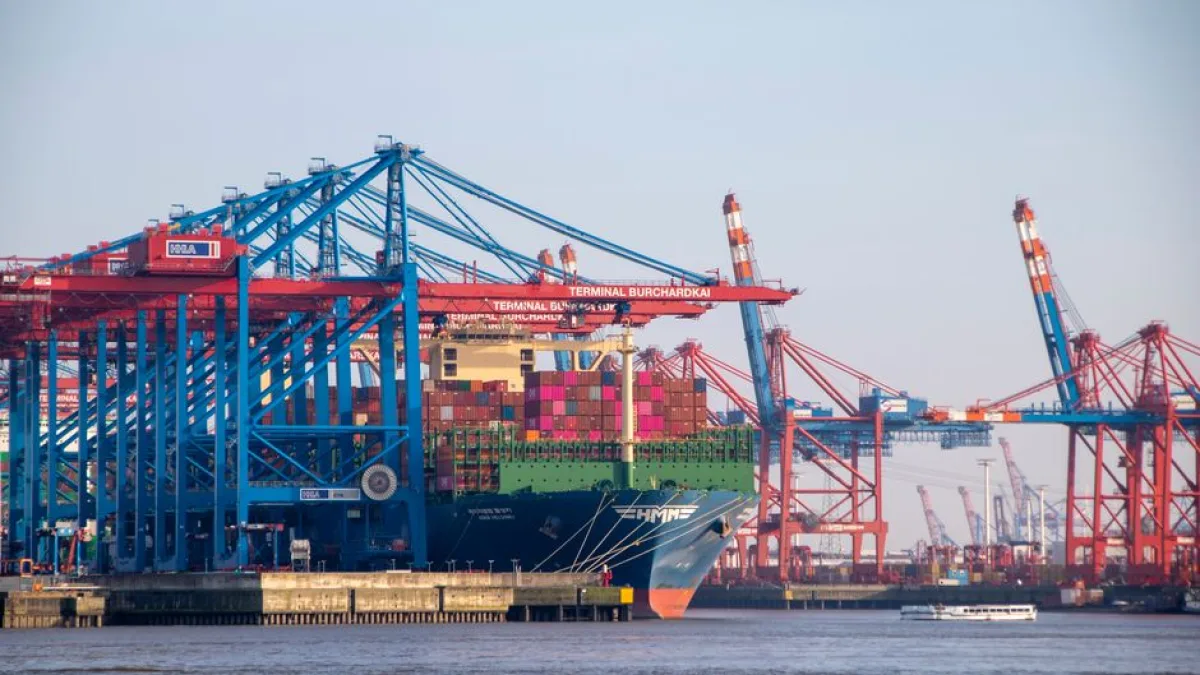
Trade barriers and dynamic international sanctions create a volatile environment for global logistics. Freight forwarders must actively monitor shifts in trade policy to ensure that their client shipments do not violate evolving international laws or temporary economic restrictions.
- Sanction List Screening: Regularly checking cargo parties against government watchlists prevents accidental involvement with prohibited entities, which shields the company from severe legal consequences and reputational damage.
- Monitoring Trade Policies: Keeping abreast of changes in international trade agreements allows forwarders to adjust logistics strategies quickly, ensuring that shipments benefit from favorable tariff treatments when applicable.
- Regulatory Change Alerts: Subscribing to trade news services helps forwarders anticipate shifts in policy, enabling them to provide expert advice to clients before the new rules take effect.
- Expert Consulting Services: Providing clients with actionable insights on trade barriers allows forwarders to serve as trusted advisors, adding significant value beyond basic transportation and delivery logistics services.
Staying informed about global regulatory shifts is vital for maintaining a smooth supply chain. When freight forwarders actively manage trade barriers, they position themselves as essential partners in the global trade ecosystem. This proactive management style prevents costly surprises and ensures that business operations remain uninterrupted. By mastering the nuances of trade law, your firm secures its reputation as a reliable and informed industry leader.
The Future of Automated Compliance
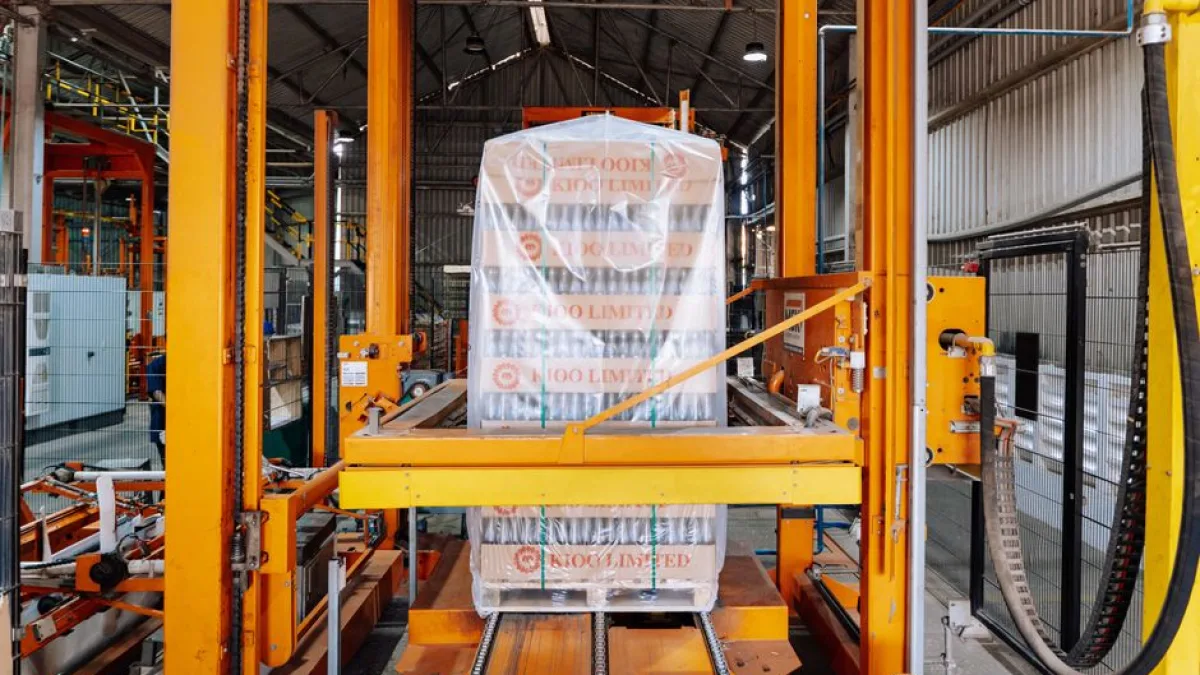
The future of logistics is increasingly defined by automation and artificial intelligence. These advancements are reshaping how customs compliance is executed, allowing for predictive analytics that identify potential risks before they materialize into actual supply chain disruptions or clearance delays.
- Predictive Risk Modeling: Using historical data to identify patterns helps forwarders predict when specific customs corridors might face delays, allowing for proactive route planning to keep cargo moving forward.
- Artificial Intelligence Integration: Advanced algorithms can now analyze thousands of documents simultaneously to detect anomalies, ensuring that compliance standards are met with a level of speed impossible for humans.
- Interoperable Software Systems: Connecting your freight platform with customs agency systems creates a seamless flow of data, reducing the need for manual interventions and speeding up the overall release process.
- Continuous Improvement Loops: Analyzing past compliance outcomes enables companies to refine their internal processes, ensuring that every shipment is handled with even greater efficiency and care than the previous one.
Automation is the key to unlocking higher levels of productivity in the freight forwarding sector. By embracing AI and intelligent software integrations, firms can streamline their compliance efforts while maintaining rigorous standards. This evolution in how we manage international trade will define the winners of the next decade. Prepare your organization today by integrating forward thinking technology that handles the complexity of global logistics.
Conclusion
Mastering customs compliance is a critical step for any forwarder looking to scale their operations in a global economy. By focusing on digital precision, accurate classification, policy monitoring, and modern automation, you turn a complex burden into a significant competitive advantage. Stay committed to continuous learning and robust software solutions to ensure that your business remains compliant, efficient, and ready to meet any future industry challenges.