Mastering Customs Compliance in Modern Freight Forwarding
Monday, September 14 2026
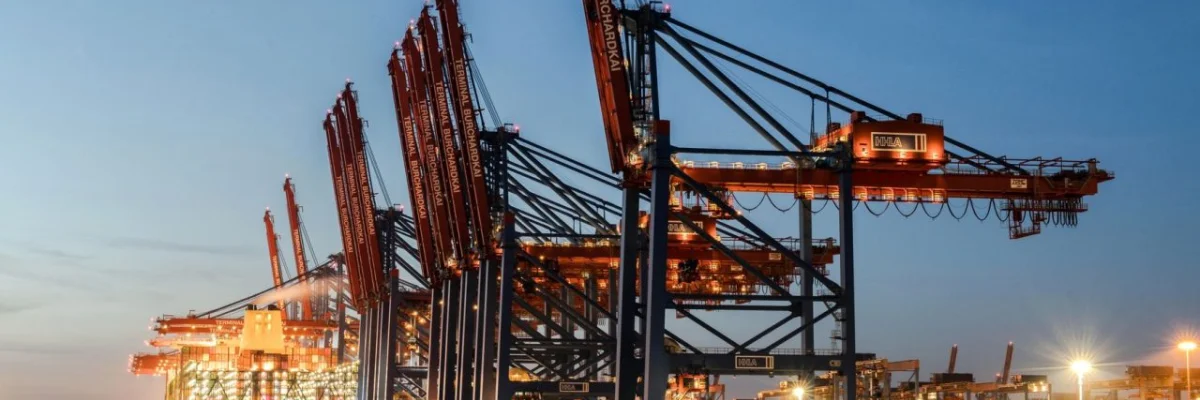
Navigating the complex landscape of international trade regulations requires precision and foresight to avoid costly delays at the border. As a freight forwarder, your ability to maintain seamless customs compliance is a critical competitive advantage that protects your clients from penalties and supply chain disruptions. In an era of increasing digitisation, relying on manual processes is no longer sufficient to keep pace with evolving global standards. By integrating robust compliance strategies into your daily operations, you can ensure that every shipment moves efficiently through customs, fostering long-term trust and reliability with importers, exporters, and regulatory authorities around the world.
The Digital Shift in Customs Filing

Modern customs processes now rely heavily on digital platforms to handle vast volumes of trade data with extreme accuracy. Transitioning from paper based systems to integrated electronic filing allows forwarders to process declarations faster while significantly reducing the risk of human error.
- Real time tracking: Integrate your logistics software with customs systems to monitor declaration statuses instantly. This level of transparency helps you proactively address any potential issues before they become expensive problems.
- Data validation protocols: Automate the checking of commodity codes and HS classifications to ensure total accuracy. Validating data at the entry point prevents rejected filings that cause avoidable shipment delays at ports.
- Cloud based archives: Store all regulatory documentation in a secure cloud environment for easy retrieval during audits. Maintaining an organized digital trail simplifies compliance reporting and enhances your internal documentation security.
- Automated duty calculation: Use software to calculate complex tariffs and taxes automatically based on current trade agreements. Accurate estimates prevent billing discrepancies and ensure that your clients are always aware of their financial obligations.
Digital transformation is the foundation of modern compliance management for forwarders. By moving away from legacy methods, you gain the agility required to handle shifting regulatory demands across multiple jurisdictions. The ability to audit, track, and report on trade data in real time provides a clear path to growth. Investing in these digital tools ensures your firm remains resilient against the complexities of global logistics.
Navigating Evolving Trade Regulations
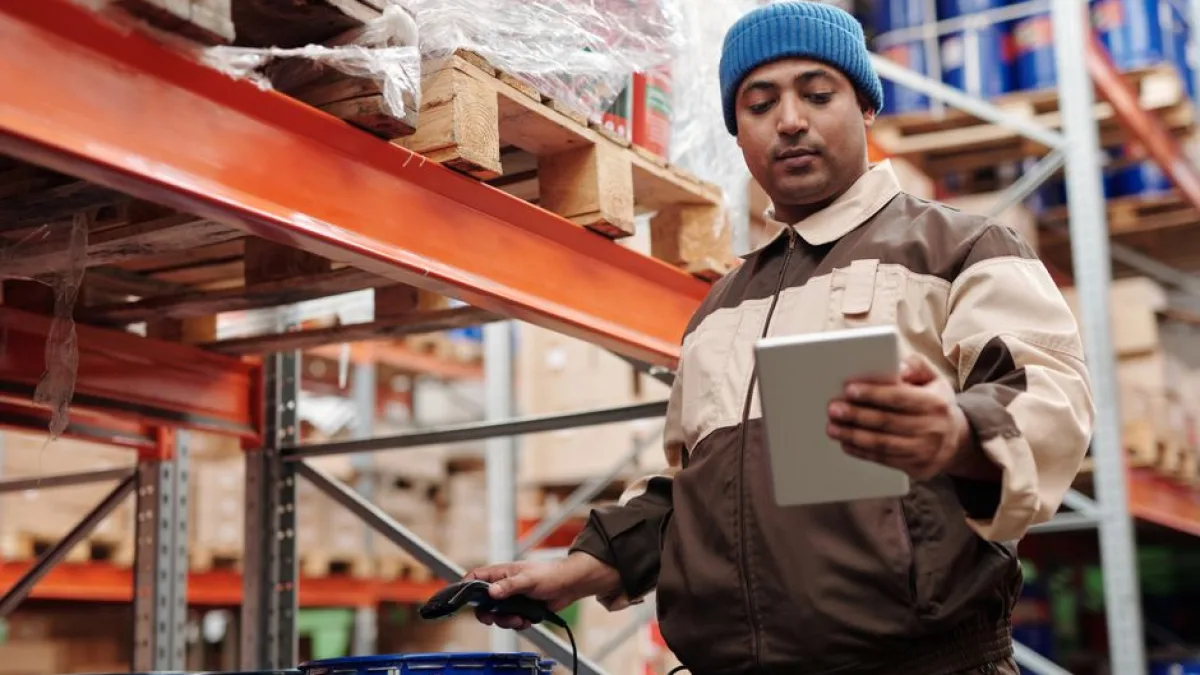
Global trade policies change frequently, forcing freight forwarders to stay alert to new mandates and regional requirements. Adapting your operational workflows to align with these updates is essential to maintain your professional reputation and avoid unexpected regulatory intervention by authorities.
- Regulatory monitoring tools: Subscribe to industry intelligence feeds that provide immediate updates on changing international trade laws. Staying informed allows your team to adjust documentation processes before new rules impact operations.
- Client compliance training: Provide your shippers with clear guidance on how to provide accurate information for their customs declarations. Educated clients are far more likely to provide high quality data that simplifies the entire process.
- Risk assessment frameworks: Conduct regular internal reviews to identify potential weaknesses in your current compliance workflow. Proactive assessment helps you patch security gaps and strengthen your overall operational integrity across all regions.
- Standardized operating procedures: Create consistent guidelines for handling documentation to ensure every team member follows the same rigorous standards. Uniformity reduces the frequency of errors and speeds up the review process significantly.
Staying ahead of regulatory shifts requires a proactive mindset and consistent attention to detail. By implementing structured training and monitoring programs, you can shield your organization from the impact of sudden policy changes. These measures create a safer environment for your logistics team and instill greater confidence in your clients. Ultimately, regulatory expertise becomes a key factor that helps your business thrive globally.
Streamlining Classification and Valuation
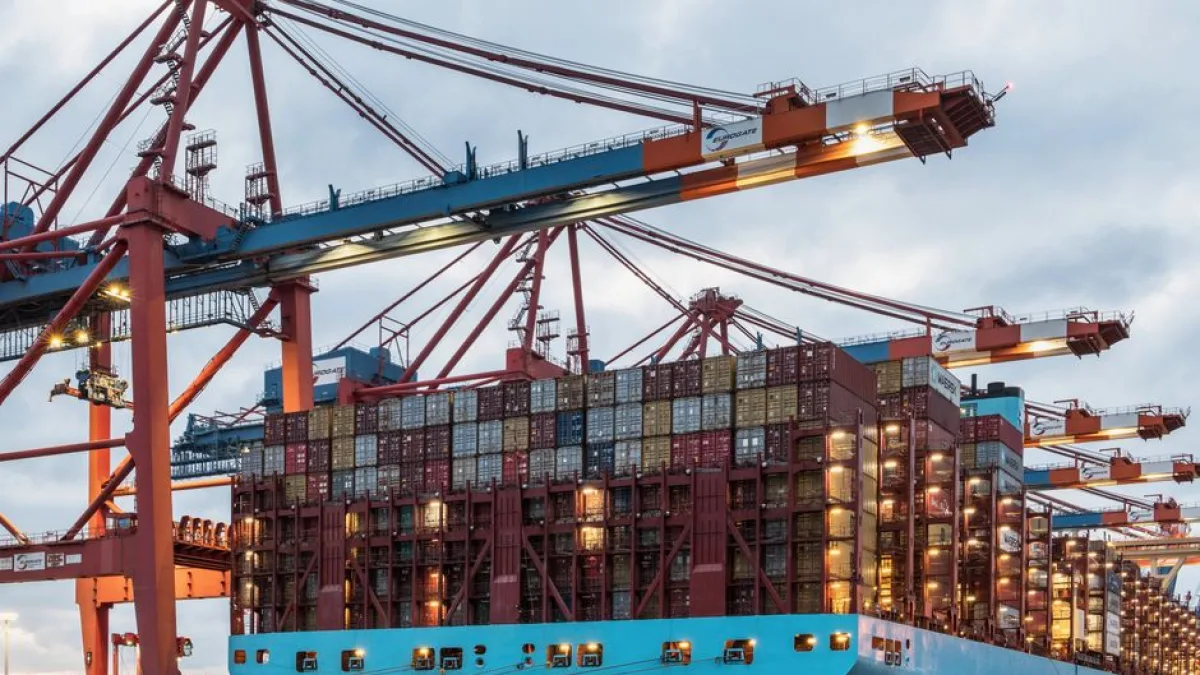
Accurate HS classification and value declaration are the cornerstones of successful customs clearance for any shipment. Incorrectly categorizing goods or miscalculating their value leads to heavy fines, shipment seizures, and audits that can cripple your logistics operations and ruin client relationships.
- HS code libraries: Maintain an updated digital database of commodity codes to ensure that classifications are always accurate. Having easy access to reliable reference data helps your staff classify products with confidence.
- Valuation guidance resources: Establish clear processes for determining the correct customs value based on international valuation standards. Consistent valuation practices protect your clients from being flagged for potential underpayment of duties or taxes.
- Audit ready reporting: Generate detailed classification reports that justify why specific codes were chosen for each unique shipment. Providing clear evidence to authorities during a review helps you resolve potential inquiries much faster.
- Internal audit cycles: Review a sample of past shipments regularly to ensure that your classification and valuation practices remain accurate. Identifying patterns of error early allows you to correct your processes before problems escalate further.
Precision in classification is a high stakes activity that directly impacts the bottom line of your clients. By establishing disciplined workflows for these tasks, you eliminate the ambiguity that often causes costly border delays. When you focus on accuracy, you prove your value as a partner rather than just a service provider. Consistent attention to these details builds a track record of reliability and excellence.
Building Stronger Customs Partnerships

Effective communication with customs brokers and regulatory agencies is vital to maintaining smooth operations. Developing strong professional relationships with these stakeholders can help you navigate difficult situations and streamline the flow of information during complex clearance procedures for high value shipments.
- Broker communication channels: Maintain open lines of communication with your customs brokerage partners to resolve document discrepancies quickly. A collaborative approach fosters trust and ensures that everyone is working toward the same objective.
- Proactive information sharing: Communicate with port authorities early if you anticipate any potential issues with a specific shipment. Providing information voluntarily demonstrates transparency and often results in more favorable handling during the inspection and clearance process.
- Partner performance reviews: Evaluate the performance of your customs partners regularly to ensure they maintain the same high standards you do. Strategic partnerships based on shared goals and metrics will yield much better results than disconnected working relationships.
- Escalation management plans: Define clear steps for resolving disputes or documentation hurdles with customs officials to avoid long delays. Having a preplanned strategy ensures that your team acts decisively when faced with urgent regulatory obstacles at international borders.
Strong relationships with customs officials and external partners serve as your first line of defense during potential crises. By prioritizing transparent communication and high performance standards, you create a network that supports your operational success. These partnerships are not just about daily tasks, but about ensuring long term sustainability in a volatile market. Invest in these connections to build a robust and reliable logistics network.
Conclusion
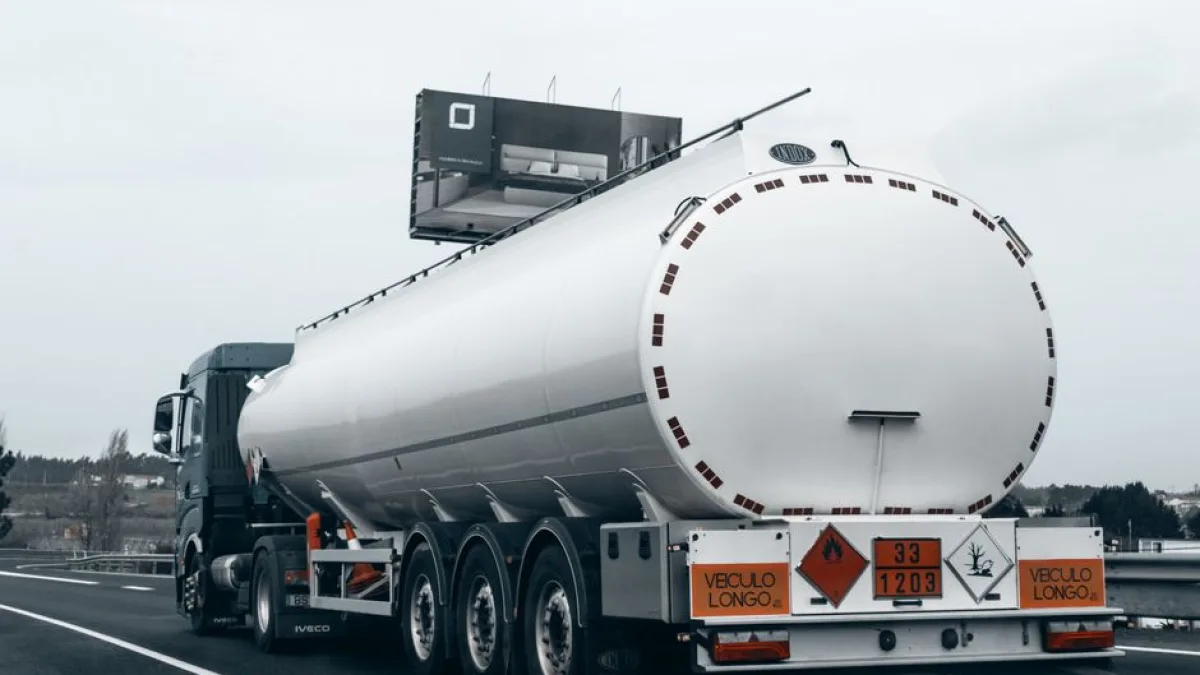
Mastering customs compliance is a journey of continuous improvement and strategic adaptation. By leveraging technology, staying informed on global policies, and refining your documentation processes, you transform potential risks into competitive advantages. Focus on building strong partnerships and maintaining high standards of data accuracy to ensure your freight operations remain efficient. With the right tools and commitment, you can lead your organization toward sustainable international trade success.