Mastering Customs Compliance: A Guide for Freight Forwarders
Tuesday, September 15 2026
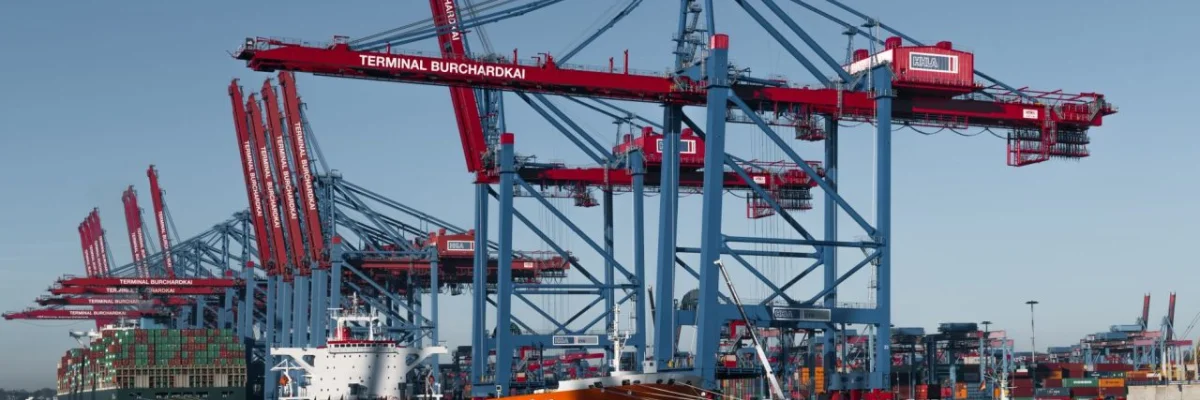
Navigating the complex web of global trade regulations requires precision, foresight, and a robust technological foundation. For modern freight forwarders, customs compliance is not merely a bureaucratic checkbox but a critical driver of operational efficiency and risk mitigation. As international standards shift, professionals must embrace digital solutions to maintain accuracy and prevent costly delays at border crossings. By integrating advanced software with proactive documentation strategies, your firm can transform compliance hurdles into competitive advantages, ensuring seamless cargo movement across borders while building long-term trust with clients and regulatory authorities worldwide.
Understanding Regulatory Landscapes

The global trade environment is constantly evolving, requiring firms to stay informed on regional import requirements and tariff updates. A proactive approach helps prevent shipments from getting stuck at customs checkpoints, saving your clients valuable time and significant financial resources daily.
- Real-time data updates: Leverage automated software platforms that pull the latest regulatory changes directly from government databases to ensure your team always operates with the most current trade information.
- Harmonized code accuracy: Utilize advanced classification tools to assign correct HS codes to every item, which minimizes the risk of audits and penalties from national customs agencies.
- Documentation integrity checks: Implement digital validation workflows that flag missing signatures or incomplete data fields before files are submitted to the authorities to prevent administrative errors.
- Risk profiling strategies: Develop internal systems that categorize high-risk shipments, allowing your staff to perform extra due diligence on consignments that typically attract scrutiny from customs officials.
- Digital audit trails: Maintain secure cloud-based archives of every customs declaration to ensure that your firm remains fully prepared for any future inspections or internal business audits.
Mastering these regulatory complexities requires more than just manual effort. By leveraging technology to automate data gathering and classification, your team can reduce human error and focus on high-value logistics operations. Consistent compliance builds your reputation as a reliable logistics partner. When you commit to these digital standards, you minimize the risk of penalties, ensure steady supply chains, and gain client confidence in your operations.
Digitizing Customs Documentation

Moving away from paper-based processes is essential for modern forwarding companies. Digital platforms provide a centralized repository for sensitive trade data, making it easier to manage declarations and communications with government agencies while significantly increasing your daily operational processing speed.
- Paperless submission workflows: Migrate all manual customs filings to integrated EDI portals that facilitate instant electronic communication with border agencies, reducing the dependency on physical paperwork and couriers.
- Automated data validation: Employ software logic that cross-references invoice values against freight manifests to identify discrepancies early, preventing the submission of erroneous data that triggers costly hold-ups.
- Secure cloud storage: Utilize enterprise-grade encryption to protect client sensitive information, ensuring that your digital customs database remains compliant with international data privacy standards and security regulations.
- Centralized document management: Organize all permits, certificates of origin, and commercial invoices within a single interface, which allows any authorized team member to access information during transit.
- Instant status tracking: Connect your internal systems to customs agency portals to receive automated alerts regarding shipment clearance status, allowing you to inform clients proactively about delays.
Transitioning to a fully digital environment is a game changer for firms dealing with high-volume shipments. It reduces the administrative burden on your staff and minimizes the likelihood of misfiling critical documents. By investing in these cloud-based tools, you create a streamlined, transparent workflow that satisfies both your clients and government agencies, effectively future-proofing your business against the rising demands of international trade.
Mitigating Global Trade Risks
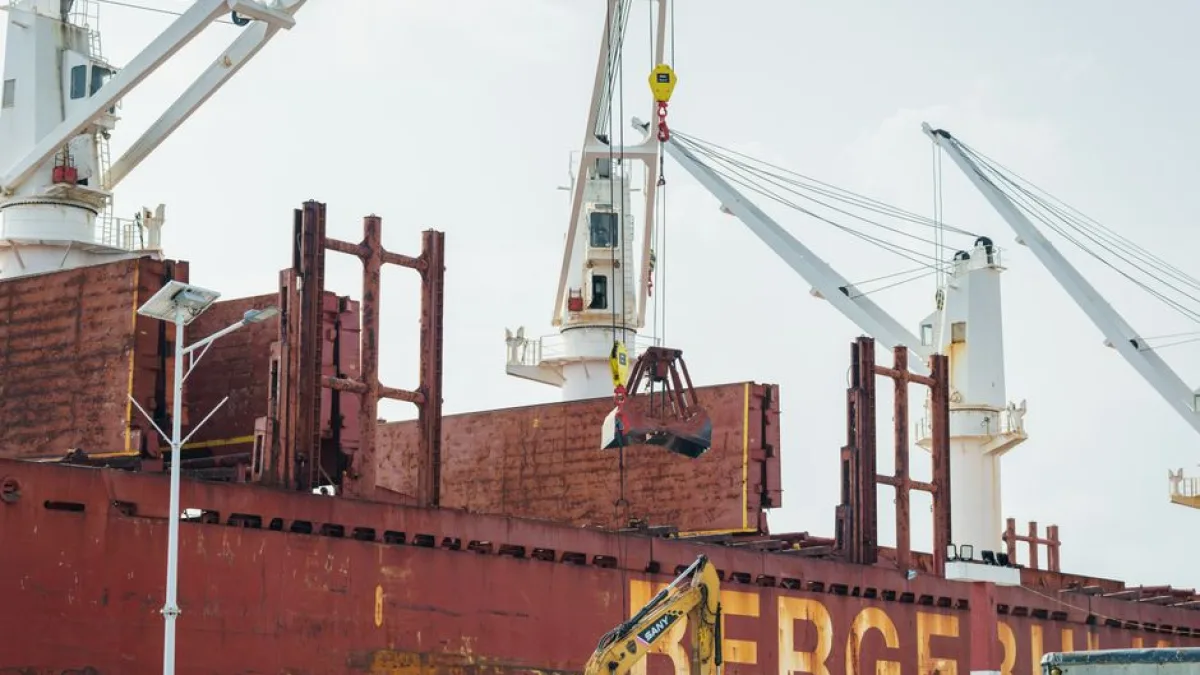
Global logistics involves many unpredictable variables that can impact your customs standing. From sudden changes in trade policy to geopolitical instability, forwarders must identify potential threats early to protect their business interests and maintain a smooth flow of goods.
- Proactive policy monitoring: Subscribe to industry-specific alerts that provide early warnings about shifts in regional trade policies or new sanctions affecting specific cargo types and countries.
- Supply chain visibility: Use tracking technology to monitor cargo movement in real-time, which helps identify bottlenecks before they evolve into major compliance crises at ports of entry.
- Compliance training programs: Schedule regular workshops for your employees to ensure everyone understands the latest trade regulations, reducing the chance of accidental errors in your customs filing process.
- Vendor verification processes: Vet all third-party suppliers and transport partners to ensure they meet your high standards for legal compliance, which shields your firm from shared liability issues.
- Financial security reserves: Maintain detailed records of bond requirements and duty payments, ensuring that your firm has the necessary liquid assets to cover unexpected customs assessments or delays.
Managing risks requires a combination of vigilance and the right digital tools. By staying informed about global shifts and investing in rigorous internal verification procedures, you can insulate your company from preventable disruptions. This proactive stance not only protects your bottom line but also enhances your credibility as a professional forwarder. Maintain these standards consistently to ensure long-term sustainability in a volatile market.
Building Strong Agency Relationships

Success in customs compliance is often rooted in building professional relationships with relevant authorities. While technology handles the data, human expertise and clear communication lines with local customs officers are vital when navigating difficult shipments or resolving unexpected clearance issues quickly.
- Consistent communication channels: Establish regular contact with local customs offices to clarify specific requirements, ensuring your team remains aligned with local interpretation of international trade laws and regulations.
- Transparent business practices: Demonstrate a clear commitment to ethical trade by maintaining perfect records and being honest about any shipment errors, which fosters mutual trust with officials.
- Expert consultation services: Hire or train in-house customs brokers who possess deep knowledge of local laws, providing a valuable resource for handling complex cargo classifications and duty disputes.
- Feedback loop integration: Analyze past shipment challenges and discuss findings with agency representatives to improve your documentation quality and prevent recurring issues in future export and import projects.
- Active industry participation: Join professional trade associations that represent freight forwarders, providing a platform to voice concerns collectively and learn from the experiences of other industry experts.
Cultivating these professional connections is an investment that pays dividends when complex issues arise. When officials know your firm for its accuracy, transparency, and professional conduct, the clearance process becomes significantly smoother. Combine these relationship-building efforts with your superior technological capabilities to achieve peak efficiency. Start optimizing your customs workflows today to stay ahead of the curve in this highly demanding logistics industry.
Conclusion
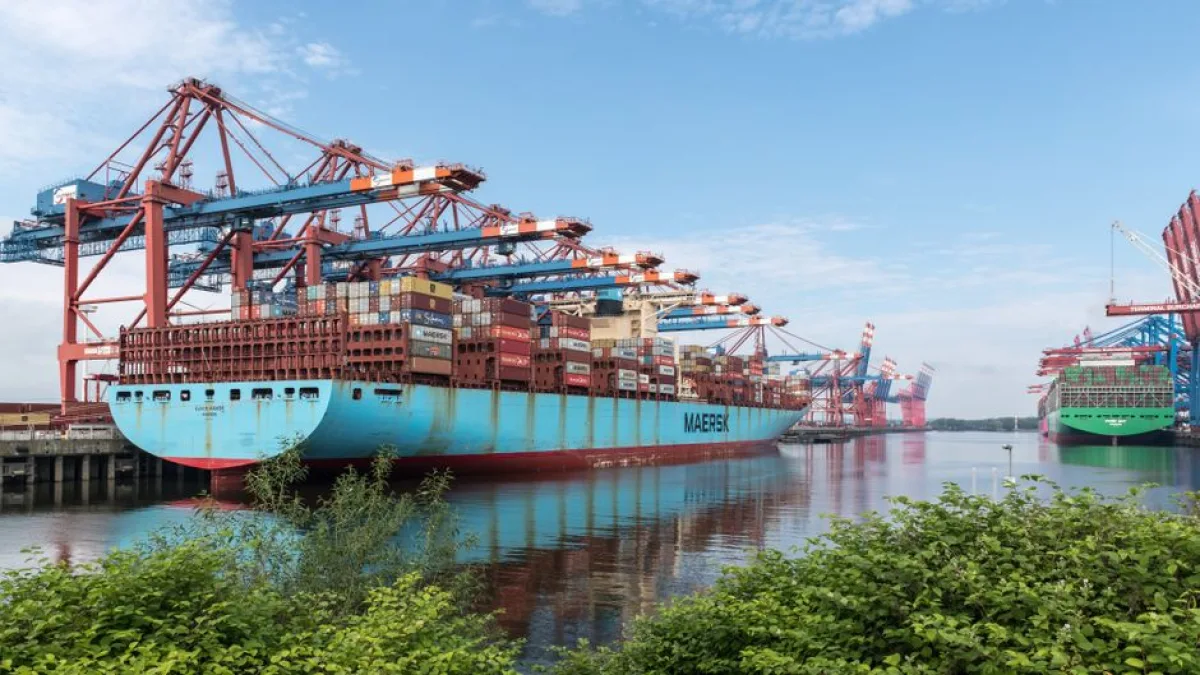
Maintaining rigorous customs compliance is the foundation of a successful freight forwarding business. By prioritizing digital integration, staying vigilant about global regulatory changes, and fostering strong professional relationships, you can minimize risks and improve service delivery for all your clients. Embrace these strategies to streamline your operations and ensure that your company remains a trusted leader in the global logistics marketplace today.