Mastering Customs Compliance: A Freight Forwarder Guide
Thursday, September 17 2026
Navigating the complex landscape of international customs regulations requires precision and vigilance from every freight forwarding professional. As global trade policies evolve and supply chains become increasingly intricate, the margin for error diminishes significantly. Non-compliance leads to severe financial penalties, operational delays, and damaged reputations. At MakeCargo, we understand that mastering regulatory demands is not just about avoiding fines, but about building a competitive advantage through seamless operations. This guide explores the critical components of modern compliance management, helping your team stay ahead of international trade requirements while ensuring your shipments move across borders with maximum efficiency and reliability.
The Digital Transition

Modern customs processes rely heavily on the digital exchange of trade documentation and automated clearance systems. By integrating advanced software solutions, forwarders can minimize manual input errors and ensure that every piece of electronic data meets the stringent standards required by global customs authorities.
- Real-time visibility tools: Automated tracking platforms allow you to monitor shipment statuses constantly, ensuring that any documentation discrepancies are addressed immediately before they escalate into major clearance delays at ports.
- Data integration efficiency: Connecting your freight software directly to customs portals eliminates double entry, reducing human mistakes and accelerating the overall processing time for your high-volume international cargo shipments.
- Automated compliance checks: Intelligent software performs background validations on HS codes and commodity classifications, ensuring that your declarations match current legal requirements across multiple international jurisdictions without manual intervention.
- Secure electronic filing: Utilizing encrypted digital filing systems protects sensitive client information while ensuring that all regulatory filings are submitted in the correct format required by modern border agencies.
Adopting digital transformation is no longer an optional strategy but a fundamental requirement for staying competitive in the current freight forwarding market. By leveraging sophisticated technology to manage your customs workflow, you empower your team to focus on strategic growth rather than repetitive administrative tasks. Efficient data management ultimately bridges the gap between complex regulatory requirements and the need for rapid, predictable cargo delivery schedules.
Understanding Trade Regulations

Keeping pace with shifting international trade agreements is essential for any professional managing cross-border logistics. Regulations change frequently due to political shifts and economic policies, meaning forwarders must stay informed to prevent costly detention fees or unexpected cargo seizures at customs.
- Global trade awareness: Regularly reviewing updates from international trade organizations helps your team anticipate regulatory shifts, allowing you to proactively adjust your logistics strategies to maintain continuous, compliant cargo flow.
- Harmonized system expertise: Maintaining a deep understanding of HS code classifications is vital for accurate duty calculation and prevents the common classification errors that trigger intensive customs audits.
- Origin documentation accuracy: Providing precise certificates of origin ensures that your clients qualify for applicable trade agreements, which significantly reduces total landed costs and improves overall supply chain transparency.
- Sanction list screening: Implementing rigorous screening processes for every shipment prevents unintentional business with restricted entities, safeguarding your firm from severe legal repercussions and protecting your corporate integrity globally.
Proactive knowledge management serves as the foundation for a robust compliance strategy in an unpredictable global trade environment. By fostering a culture of continuous learning and policy monitoring, your logistics firm can successfully navigate even the most restrictive import and export landscapes. Staying ahead of regulatory changes minimizes operational risks and demonstrates long-term reliability to your most important international shipping clients.
Risk Mitigation Strategies
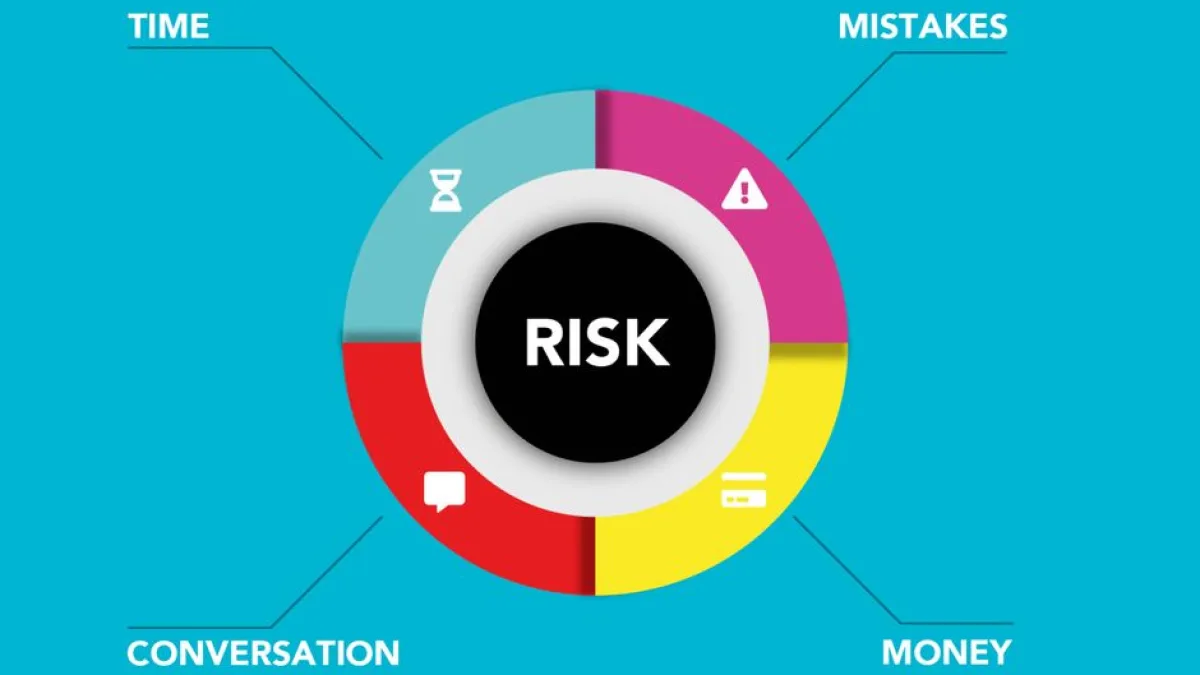
Operational risks in freight forwarding often stem from poor documentation or insufficient communication between stakeholders. Implementing a comprehensive risk management framework is the best way to shield your operations from unpredictable disruptions that threaten your margins and overall service quality.
- Internal audit cycles: Conducting routine internal reviews of your customs declarations identifies potential weaknesses in your process, allowing you to implement corrective actions before official government audits uncover them.
- Vendor compliance monitoring: Ensuring that your third-party carriers and warehouse partners adhere to your internal compliance standards prevents secondary risks from entering your supply chain and impacting your shipments.
- Documentation quality control: Standardizing your paperwork review process minimizes the risk of missing information, ensuring that every commercial invoice and packing list meets the precise standards of customs officers.
- Emergency response planning: Developing clear protocols for customs hold scenarios ensures your team can react quickly, minimizing the duration of delays and keeping your customers informed during crisis situations.
Developing a proactive risk mitigation strategy is essential for protecting the profitability of your logistics firm. By addressing vulnerabilities before they become major problems, you create a more stable environment for your clients and staff. Consistent risk management practices do not just prevent penalties, they reinforce your brand reputation as a reliable and thorough freight forwarding partner in a high-stakes industry.
Standardizing Compliance Workflows

Uniformity across all operational tasks is the hallmark of a high-performing logistics firm. Standardizing your compliance workflows ensures that every team member follows the same rigorous procedures, which significantly reduces the variance in shipment quality and regulatory adherence across different international routes.
- Standard operating procedures: Creating detailed, accessible documentation for every customs task ensures that your staff follows consistent, compliant processes regardless of who handles the specific international freight shipment.
- Centralized compliance database: Maintaining a single source of truth for all trade regulations and client requirements allows your team to access accurate information instantly during daily operations.
- Performance metric tracking: Measuring your compliance success through key performance indicators highlights areas for improvement and motivates your team to maintain high standards of accuracy in documentation.
- Continuous staff training: Investing in regular professional development keeps your team updated on the latest customs requirements, fostering an environment of expertise and accountability within your logistics organization.
Standardizing workflows is the most effective way to scale your freight forwarding operations while maintaining strict regulatory compliance. By removing subjectivity and inconsistency from your daily processes, you allow your team to handle larger volumes of cargo with confidence. These uniform practices provide the consistency that clients demand and the operational stability required for your business to grow sustainably in global markets.
Conclusion
Achieving excellence in customs compliance requires a blend of advanced technology, continuous education, and rigorous operational standards. By centralizing your data, proactively managing risks, and standardizing workflows, your freight forwarding firm can move beyond simple survival to achieve true excellence in international logistics. Stay committed to these practices to protect your operations, satisfy your global customers, and maintain a competitive edge in today's market.