Mastering Customs Compliance in Modern Freight Forwarding
Friday, September 18 2026
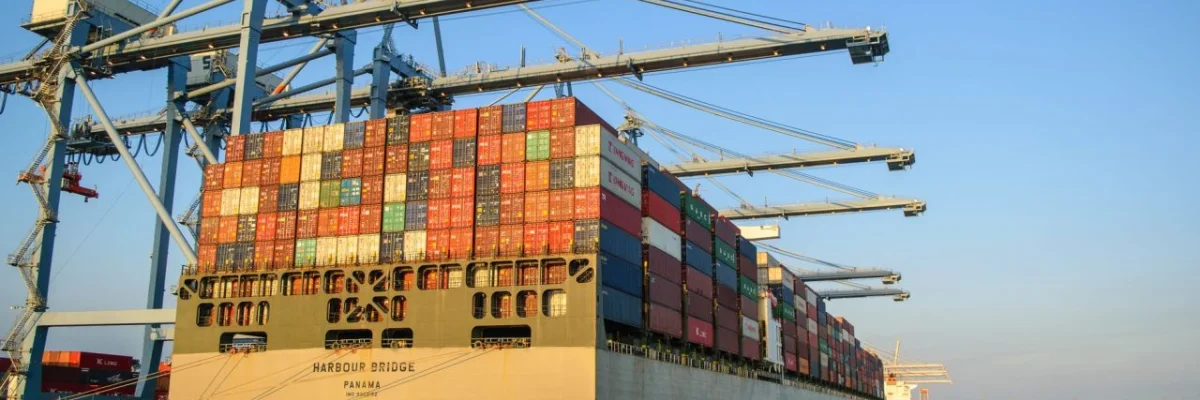
Navigating the complex landscape of global trade regulations requires precision, foresight, and robust digital infrastructure. As freight forwarders manage increasing volumes of international shipments, the margin for error in customs documentation continues to shrink. Regulatory bodies now demand higher transparency, making manual processes a liability for scaling logistics firms. By integrating automated compliance checks and real-time data monitoring into daily operations, companies can mitigate risks and prevent costly delays at borders. This article explores how adopting advanced software solutions empowers forwarders to maintain seamless compliance while enhancing overall operational efficiency in an increasingly volatile global shipping environment.
Digitizing Documentation Workflows
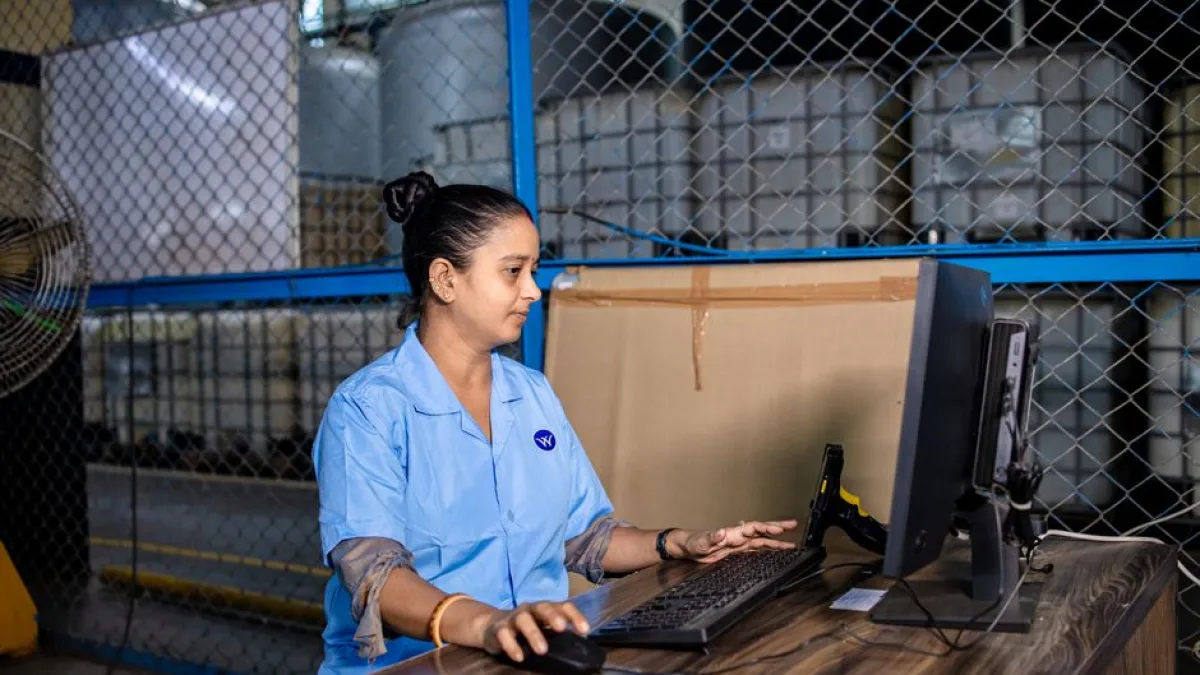
Modernizing your document management system is essential for maintaining control over cross-border trade. By replacing legacy paper trails with centralized digital repositories, forwarders can ensure that every customs declaration is accurate, accessible, and compliant with current international standards for record-keeping and auditing.
- Automated Data Entry: Implement smart scanning tools to extract data from commercial invoices automatically, reducing human error and ensuring that information matches customs declaration forms with absolute precision every time.
- Centralized Document Storage: Maintain a secure cloud-based vault where all shipping documents are indexed, allowing your team to retrieve files instantly during random audits or customs inspection requests.
- Standardized Compliance Templates: Utilize pre-configured document templates that align with regional regulations, ensuring your team captures every necessary piece of information before the shipment ever leaves the warehouse.
- Real-time Validation Checks: Enable automated software triggers that verify HS codes against regional tariff databases, preventing costly classification errors that lead to potential fines or shipment seizures by authorities.
Digital transformation is no longer a luxury but a fundamental necessity for competitive forwarders. By moving away from fragmented paper workflows, you gain the agility required to handle high-volume trade without compromising accuracy. These digital upgrades not only reduce the risk of non-compliance but also accelerate processing times, allowing your staff to focus on higher-value client relationships rather than chasing down missing paperwork or fixing errors.
Managing HS Code Accuracy

Correct tariff classification serves as the backbone of your customs compliance strategy. Mismatched HS codes often lead to heavy financial penalties and severe supply chain disruptions, making it vital to deploy software-based classification tools that minimize risks during the shipping process.
- Dynamic HS Lookup: Integrate automated databases that provide up-to-date HS code guidance for different countries, ensuring your classifications are based on the latest regional tariff laws and regulations.
- AI-Powered Suggestions: Use machine learning modules that suggest correct HS codes based on historical shipping data, helping your team avoid common errors when dealing with complex, multi-component cargo.
- Audit Trail Tracking: Keep a permanent record of who selected a specific HS code and when, providing a clear history of decision-making for future regulatory reviews and internal compliance audits.
- Cross-Border Harmonization: Leverage software features that automatically adjust classification codes based on destination requirements, simplifying the process of managing global shipments with varying regulatory standards and regional customs expectations.
Precision in classification is the most effective way to protect your margins and maintain client trust. When you rely on automated systems to navigate the complexities of international tariff schedules, you drastically reduce the chance of manual oversight. Consistent classification accuracy ensures that your shipments move through customs checkpoints without unnecessary intervention, ultimately providing a smoother experience for your customers and strengthening your operational reputation.
Real-Time Compliance Monitoring

Monitoring your compliance status in real-time allows you to proactively identify potential issues before they escalate into full-blown shipping crises. Modern freight platforms provide high-level dashboards that keep your operations team informed of regulatory changes, shipment statuses, and documentation gaps instantly.
- Instant Status Alerts: Receive automated notifications when a shipment faces a customs hold, allowing your team to intervene immediately and resolve potential documentation disputes with local authorities and inspectors.
- Regulatory Change Updates: Benefit from integrated feeds that highlight shifts in international trade laws, ensuring your compliance protocols remain current with the latest global shipping and border mandates.
- Proactive Risk Analysis: Utilize analytical tools to identify patterns of customs delays or issues, enabling you to optimize your routing and carrier choices for future high-risk shipments.
- Stakeholder Communication Hubs: Keep customs brokers, internal teams, and clients on the same page through centralized communication portals that track compliance status updates for every single active shipment.
Visibility is the ultimate tool for risk management in the logistics sector. By keeping a watchful eye on your supply chain through sophisticated monitoring software, you shift your focus from reactive firefighting to proactive management. This level of transparency not only keeps your shipments moving but also provides clients with the assurance that their goods are being handled by a highly organized, professional team.
Strengthening Customs Partnerships

Building strong collaborative relationships with customs authorities and brokers is a strategic advantage for any forwarder. Effective communication and shared digital data allow these partnerships to thrive, creating a more reliable environment where compliant cargo moves efficiently across borders with minimal friction.
- Collaborative Broker Portals: Provide external customs brokers with limited access to your digital platform, enabling them to verify documentation and resolve issues without constant back-and-forth emails or manual updates.
- Transparent Data Sharing: Share accurate, digital copies of shipping manifests directly from your platform, which builds credibility with customs officials and speeds up the verification process at border crossings.
- Standardized Partner Protocols: Establish clear guidelines and technical integration points for all your partners, ensuring that data quality remains high regardless of which broker is handling the final clearance.
- Continuous Improvement Feedback: Use digital insights to evaluate the performance of your brokers, creating a collaborative loop that rewards high-quality work and addresses persistent compliance bottlenecks together efficiently.
Collaboration is the bedrock of a robust and resilient logistics network. By inviting partners to work within your digital ecosystem, you remove the silos that often cause delays and miscommunications. These strong connections result in faster clearance cycles and a better overall experience for your clients. Focus on building these transparent, technology-driven partnerships to ensure your logistics operations remain compliant and competitive today.
Conclusion

Achieving compliance in freight forwarding is a continuous journey that requires constant adaptation to new rules. By investing in modern software, you equip your team with the precision tools needed to navigate global trade. Take control of your compliance strategy today by integrating automated systems that reduce errors and build trust with your clients. Reach out to MakeCargo to streamline your logistics compliance operations.