Mastering Customs Compliance: A Freight Forwarder Guide
Saturday, September 19 2026

Navigating the complex landscape of international trade requires more than just logistical expertise. Freight forwarders today must act as frontline guardians of supply chain integrity, ensuring that every shipment adheres to evolving global customs regulations. As cross-border trade accelerates, the margin for error shrinks, making compliance a vital operational pillar. From tariff classification to accurate documentation, staying ahead of legal requirements protects your business from costly penalties and severe shipping delays. This guide provides the essential framework for forwarders aiming to maintain operational excellence, mitigate risks, and foster long-term trust with their international clientele while scaling their digital logistics operations effectively.
Automating Trade Documentation

Manual document handling is a major source of errors in global freight forwarding. Embracing automation tools allows teams to standardize customs filings, reduce human intervention, and ensure that every declaration is precise, compliant, and ready for rapid processing at international borders.
- Real-time data synchronization: Digital platforms automatically update shipment information across all necessary customs forms to prevent discrepancies that often lead to inspection delays or heavy fines for logistics providers.
- Standardized data entry: Utilizing automated templates minimizes manual typing errors, ensuring that HS codes and values remain consistent throughout the entire shipping process for total regulatory compliance.
- Instant cloud backups: Centralized digital storage ensures that every customs document is securely archived, making audits far less stressful and significantly faster for your professional documentation team.
- Automated error detection: Advanced software identifies missing information or mismatched data fields before submission, allowing your staff to rectify issues before they impact your client supply chain.
By transitioning to a digital-first documentation workflow, your firm gains a competitive edge in accuracy and speed. Automating these repetitive tasks frees your staff to focus on complex advisory roles rather than mundane data entry. This investment in technology pays dividends by reducing overhead costs and building a reputation for reliability. Start optimizing your document lifecycle today to ensure seamless movement across global borders.
Navigating Tariff Classifications

Accurate HS code assignment remains the most critical task for any compliant freight forwarder. Misclassification can result in significant duty overpayments or even legal disputes with customs authorities, highlighting the need for rigorous attention to detail during the initial classification phase.
- Precise product categorization: Correctly identifying the Harmonized System codes for every item ensures that duties are calculated accurately and prevents unwanted friction during the customs clearance phase of shipping.
- Periodic code updates: Customs regulations change frequently, so maintaining a system that tracks international updates is necessary to prevent using obsolete codes that trigger automatic shipment flags.
- Regulatory knowledge base: Building an internal repository of classification rulings helps your team maintain consistency across similar cargo types and supports faster decision-making for complex new shipments.
- Expert verification processes: Implementing a secondary check system for high-value or regulated goods provides an extra layer of protection against the common pitfalls of incorrect customs tax assessments.
Proper classification is the backbone of smooth international trade operations. When you prioritize accuracy in your tariff data, you protect your clients from unexpected financial burdens and customs hold-ups. Taking a proactive approach to classification training for your employees will solidify your firm as a leader in compliance. Always verify your codes to maintain a healthy relationship with global customs agencies.
Securing Supply Chain Transparency
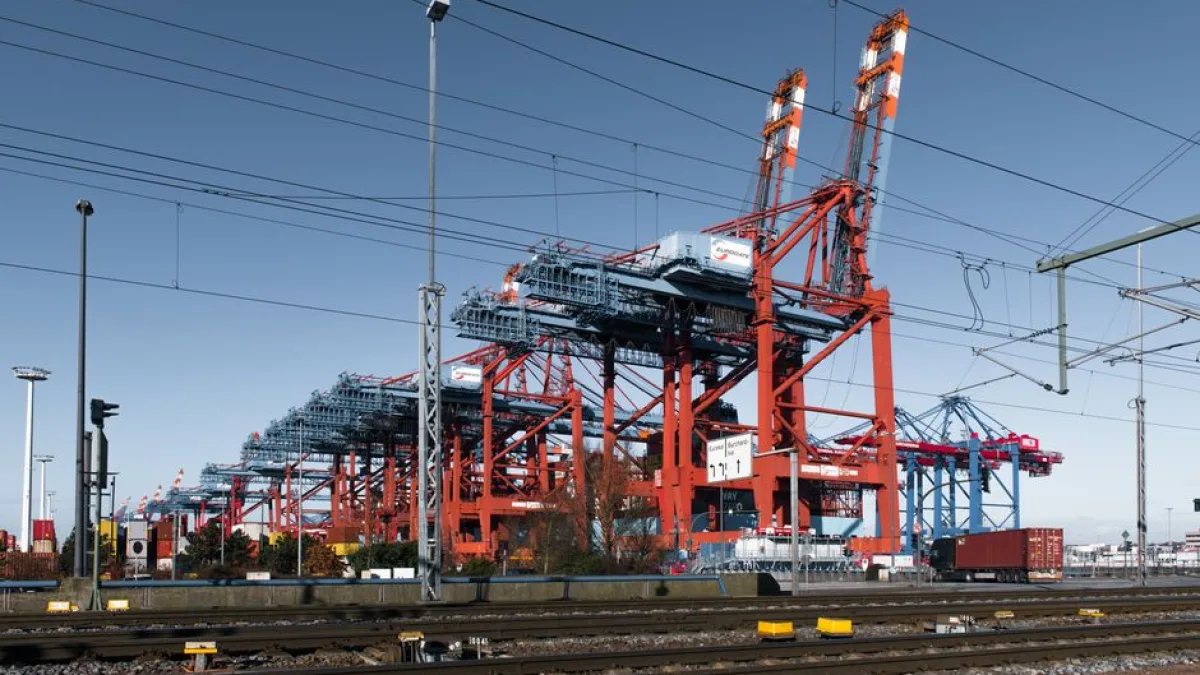
Transparency is no longer optional in modern freight forwarding. Clients and regulators demand full visibility into the origin and movement of goods, requiring forwarders to maintain meticulous records of every transaction to prove compliance with international trade laws and safety standards.
- End-to-end audit trails: Creating a transparent digital record for every movement provides the necessary documentation to satisfy regulatory requests and proves the legality of your client cargo.
- Verified vendor screening: Implementing automated checks for suppliers helps identify potential risks early, ensuring that your clients do not accidentally engage with entities subject to international trade sanctions.
- Cargo origin validation: Maintaining detailed records regarding the specific origin of goods is vital for proving eligibility for free trade agreements and minimizing total tax liabilities effectively.
- Real-time status updates: Offering clients transparent visibility into customs status allows for proactive communication, which builds trust and improves the overall relationship between forwarder and business owners.
Maintaining total supply chain transparency is a powerful tool for customer retention. By providing clear and verifiable data, your firm proves its commitment to ethical and compliant trade practices. This visibility makes it easier to resolve disputes quickly should any regulatory issues arise during transit. Strengthen your operational transparency today to ensure that your freight forwarding business remains resilient in a changing world.
Managing Regulatory Change Cycles

Global trade regulations are in a constant state of flux. Forwarders must remain agile and well-informed, adapting their internal processes to meet the demands of shifting political landscapes, new environmental standards, and updated security protocols in key international trade regions.
- Agile compliance updates: Regularly reviewing and adjusting your internal standard operating procedures ensures that your business stays aligned with the most current international trade laws and policies.
- Continuous staff training: Keeping your operations team educated on current regulatory trends through workshops or webinars empowers them to handle complex compliance challenges with confidence and efficiency.
- Dynamic risk assessment: Proactively evaluating how new trade policies affect your specific routes allows you to adjust your service offerings and warn clients about potential shipping delays.
- Collaboration with experts: Building a strong network of customs brokers and legal advisors ensures you have access to specialized knowledge for handling the most difficult regulatory requirements.
Staying informed about regulatory shifts is a non-negotiable aspect of the logistics industry. While change can be difficult to manage, firms that adapt quickly are the ones that survive and thrive. Invest in continuous learning and maintain strong connections with industry experts to keep your operations compliant. Proactive management of these changes will secure your long-term success in the competitive global freight market.
Conclusion
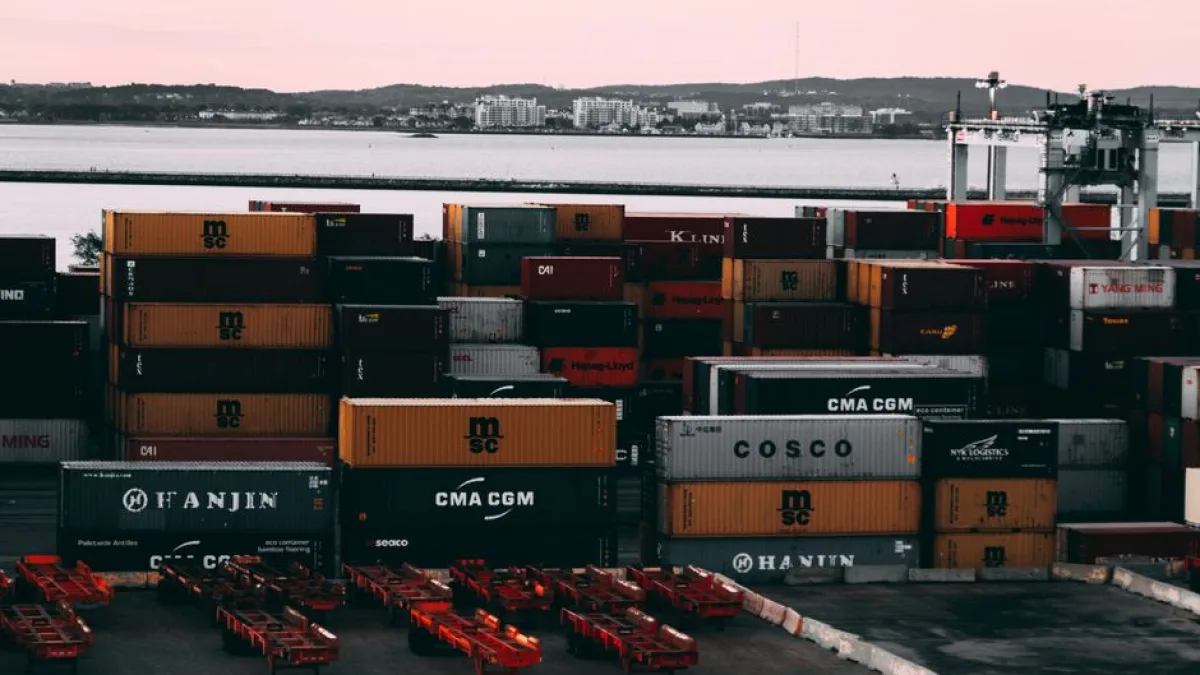
Mastering the complexities of customs and compliance is essential for any modern freight forwarder. By focusing on automated documentation, accurate classification, transparency, and agility, you can significantly reduce risks and enhance your service quality. Staying proactive in your regulatory strategies protects your business and delights your clients. Start optimizing your compliance workflows with MakeCargo today to ensure a smoother future for your operations.