Mastering Customs Compliance in Modern Freight Forwarding
Sunday, September 20 2026
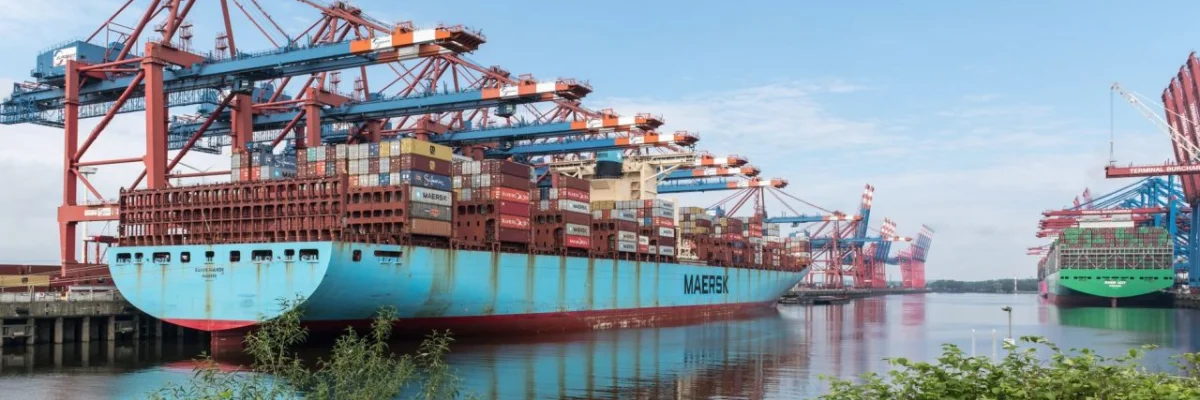
Navigating the complex landscape of global trade requires freight forwarders to maintain rigorous standards of customs compliance. As cross-border regulations evolve rapidly, the margin for error diminishes significantly, making precision and transparency essential for operational success. Failure to adhere to international trade protocols often leads to severe financial penalties, cargo delays, and damaged professional reputations. By integrating automated software solutions and staying updated with real-time legislative changes, forwarders can proactively mitigate risks. This article explores essential strategies for maintaining seamless customs operations, ensuring that your organization remains competitive while consistently meeting the demanding requirements of global regulatory authorities and stakeholders.
Digital Documentation Precision

Accurate digital documentation forms the bedrock of modern logistics. By digitizing paperwork, forwarders reduce human error and speed up processing times, ensuring that every shipment meets specific local requirements before reaching the port, which drastically lowers the risk of clearance hold-ups.
- Automated Data Entry: Implementing cloud-based systems allows for the automatic population of customs forms, significantly reducing manual typing errors that frequently lead to shipment delays or costly inspection penalties during transit.
- Standardized Filing Protocols: Maintaining a uniform process for all documentation submissions ensures that every piece of information is consistent, allowing customs officials to verify data quickly without requesting additional supporting evidence.
- Version Control Systems: Utilizing centralized document management ensures that every stakeholder accesses the most current version of shipping manifests, preventing the confusion that arises from using outdated paperwork or conflicting trade information.
- Cloud-Based Storage: Storing all compliance records in a secure, accessible cloud environment facilitates rapid retrieval during internal or external audits, demonstrating a high level of institutional transparency to regulatory bodies.
- Integration With APIs: Connecting your forwarding platform directly to customs authorities via APIs allows for real-time validation of codes, ensuring that your documentation meets all destination-specific standards before cargo ships.
Precision in your digital documentation acts as a safeguard against potential bottlenecks at border crossings. When logistics providers prioritize data accuracy and leverage automated software platforms, they effectively minimize the time spent correcting clerical mistakes. Adopting these technology-driven workflows creates a robust audit trail, providing peace of mind for both the freight forwarder and their clients while ensuring consistent adherence to global trade laws.
Understanding Tariff Classifications

Correct tariff classification is the most critical aspect of international shipping compliance. Every product must be accurately identified to ensure proper duty payment, as misclassification results in financial losses, potential fines, and increased scrutiny from border agencies during export.
- Consistent HS Coding: Assigning accurate Harmonized System codes to every SKU ensures that products move through global channels without excessive questioning, maintaining a smooth workflow between origin and destination ports.
- Regular Code Audits: Periodic reviews of your classification database identify potential discrepancies in product descriptions, preventing common errors that emerge when inventory changes or trade regulations shift over the year.
- Expert Classification Advice: Consulting with experienced customs brokers helps clarify ambiguous product categories, ensuring that complex items are taxed correctly according to the latest international trade agreements and regional statutes.
- Software-Driven Logic: Modern freight software platforms include integrated search tools that help users find the correct codes, reducing the complexity involved in managing thousands of distinct product varieties every day.
- Compliance Monitoring Alerts: Automated systems provide updates on changes to specific duty rates, ensuring that forwarders adjust their classifications accordingly to maintain cost effectiveness and avoid paying unnecessary government penalties.
Mastering tariff classifications requires constant vigilance and a deep understanding of evolving trade policies. By investing in classification tools and regular team training, forwarders avoid the pitfalls of inaccurate reporting. This attention to detail does not just save money but builds strong, lasting relationships with customs authorities, positioning your freight forwarding business as a reliable partner in the global supply chain marketplace.
Adapting To Regulatory Changes
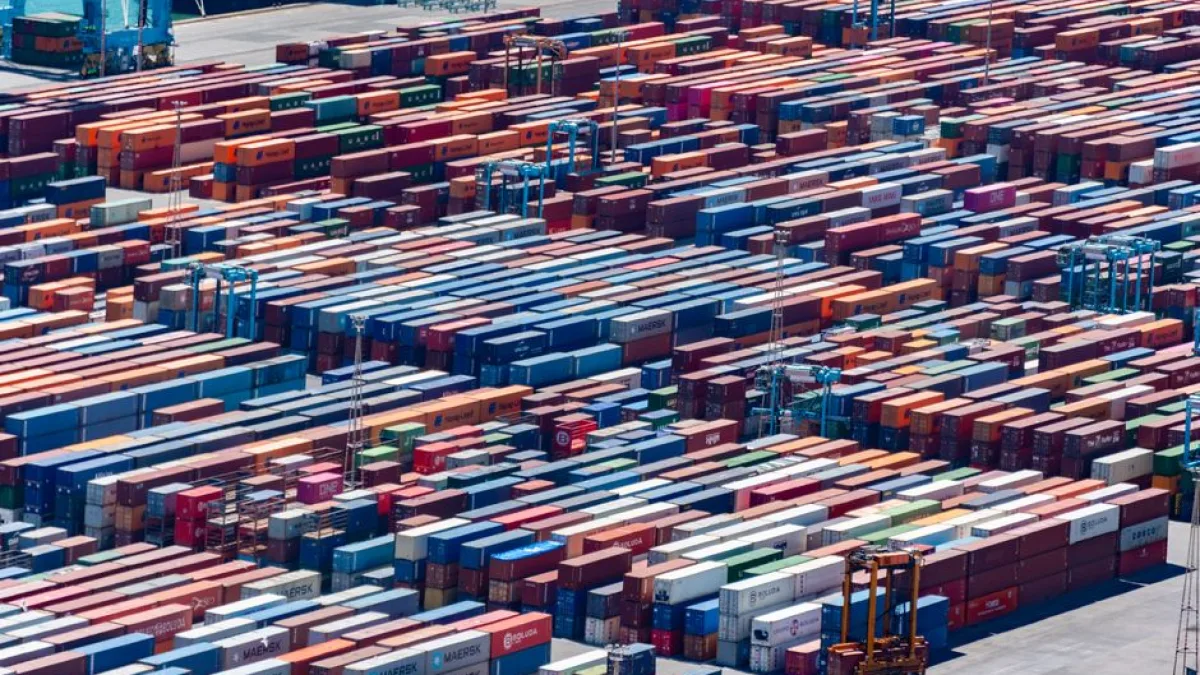
Regulatory landscapes are constantly shifting as countries update their import-export laws to reflect geopolitical changes. Freight forwarders must adopt an agile strategy that allows them to pivot their compliance processes quickly, ensuring that no cargo shipment faces unexpected disruptions.
- Proactive News Monitoring: Subscribing to official customs news feeds ensures that your team is the first to know about upcoming legislative shifts, providing ample time to adjust operational logistics accordingly.
- Agile Process Updates: Establishing a framework for updating company-wide compliance workflows allows for rapid integration of new rules, preventing old habits from interfering with current international trade law requirements.
- Continuous Team Education: Holding regular workshops keeps your staff informed about the latest trends in global customs compliance, empowering employees to handle complex scenarios with confidence and high accuracy.
- Scenario Testing Modules: Using digital platforms to test how new regulations might affect existing shipment flows helps identify potential weaknesses before they become actual problems during the busy shipping season.
- Networking With Authorities: Maintaining open lines of communication with local customs representatives provides clarity on ambiguous regulations, helping your firm interpret complex rules effectively for various cross-border shipping projects.
Adapting to the fast-paced nature of international regulations is what separates leaders from the rest. When forwarders treat compliance as a dynamic process rather than a static checklist, they gain a strategic advantage. By staying informed and maintaining the flexibility to update internal systems instantly, your organization can effectively navigate any regulatory storm, ensuring shipments remain on schedule regardless of shifting political climates.
Building Strong Trade Partnerships

Collaboration between forwarders, shippers, and customs agencies is essential for compliance success. Strong partnerships built on transparency lead to smoother transactions and mutual trust, which helps in navigating the complexities of modern customs clearance with greater efficiency and fewer hiccups.
- Transparent Information Sharing: Encouraging open communication with your shipping clients builds a foundation of trust that ensures all essential documents are submitted early, preventing last-minute rushes and potential filing errors.
- Verified Carrier Networks: Working exclusively with carriers who maintain high compliance standards reduces the risk of cargo being flagged during routine border inspections, keeping the entire logistics chain moving reliably.
- Feedback Loop Integration: Actively seeking input from customs officers about recurring issues allows you to refine your documentation processes, demonstrating a sincere commitment to meeting and exceeding established regulatory benchmarks.
- Collaborative Risk Assessment: Conducting joint reviews with partners identifies potential compliance gaps in the supply chain, allowing for the creation of shared solutions that benefit everyone involved in shipping.
- Digital Compliance Portals: Providing clients with access to secure portals fosters better coordination, as both parties can monitor the status of their customs documentation in real-time without constant emails.
Success in freight forwarding is rarely a solitary endeavor, especially when dealing with complex customs requirements. Cultivating strong, transparent relationships with all supply chain participants facilitates faster problem-solving and higher levels of reliability. When everyone in the network communicates clearly and shares accurate data, the entire process becomes more efficient, ultimately protecting your company reputation and improving service levels for your diverse clients.
Conclusion

Navigating the intricate world of customs and compliance is a fundamental requirement for every modern freight forwarder. By focusing on digital precision, accurate classification, regulatory agility, and strong partnerships, your business can effectively mitigate risks while optimizing global trade operations. Start by auditing your current compliance processes and integrating advanced software tools today to ensure that your logistics business stays resilient, compliant, and consistently ahead of the curve.