Mastering Customs Compliance in Modern Freight Forwarding
Monday, September 21 2026
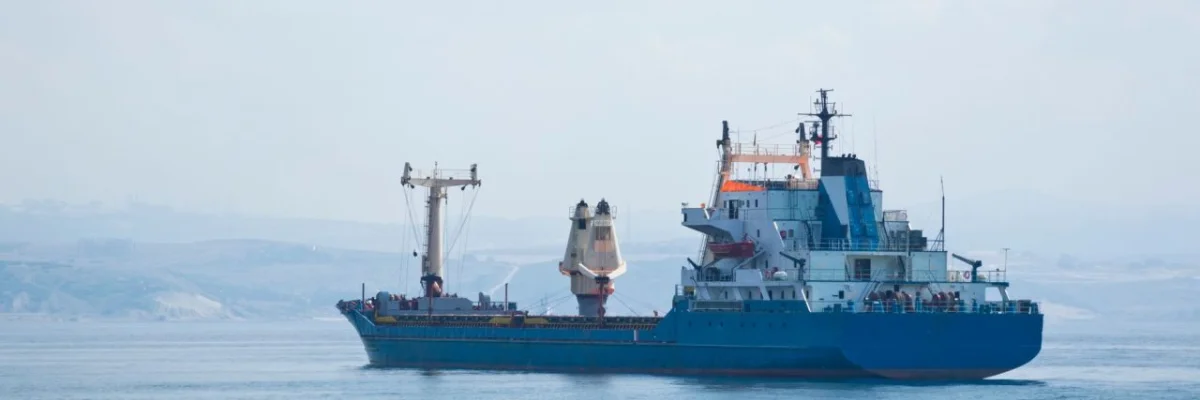
Navigating the complex landscape of international trade requires freight forwarders to maintain impeccable standards of customs compliance. As global regulations evolve and digital transformation accelerates, the risk of non-compliance grows significantly for companies that rely on manual documentation. Ensuring that every shipment meets local and international legal requirements is essential for avoiding costly delays, severe penalties, and long-term damage to your professional reputation. By integrating advanced software solutions into your operational workflow, you can secure your supply chain and provide transparent, efficient service to your clients while staying ahead of changing global trade policies and customs requirements.
Understanding Regulatory Frameworks

The foundation of effective compliance lies in a deep understanding of current trade laws and regional regulations. Forwarders must actively monitor shifts in trade agreements to ensure that all documentation accurately reflects the nature and origin of goods being transported across borders.
- Tariff Classification Accuracy: Assigning the correct Harmonized System code is critical for determining duty rates and avoiding audits. Incorrect codes often lead to heavy fines and shipment delays.
- Export Control Compliance: Understanding restricted party lists is vital for ensuring you do not facilitate trade with sanctioned entities, which can lead to severe legal consequences.
- Rules of Origin: Precise verification of where products originate allows your clients to benefit from preferential trade agreements, lowering total costs and improving their competitive market position.
- Documentation Integrity Standards: Maintaining standardized digital records for every customs entry ensures you can provide auditors with clear proof of compliance whenever they demand specific shipment information.
- Regulatory Change Tracking: Utilizing software that updates in real time ensures that your team remains aware of the latest amendments to trade laws and border security requirements.
Mastering these regulatory frameworks demands continuous education and the adoption of modern digital tools. When your team proactively manages tariff classifications and export controls, you significantly reduce the risk of border interventions. Investing time into robust internal processes protects your business interests and helps maintain seamless operations for your partners. Staying informed about these shifting frameworks remains a non-negotiable aspect of successful global logistics.
Leveraging Digital Automation Tools
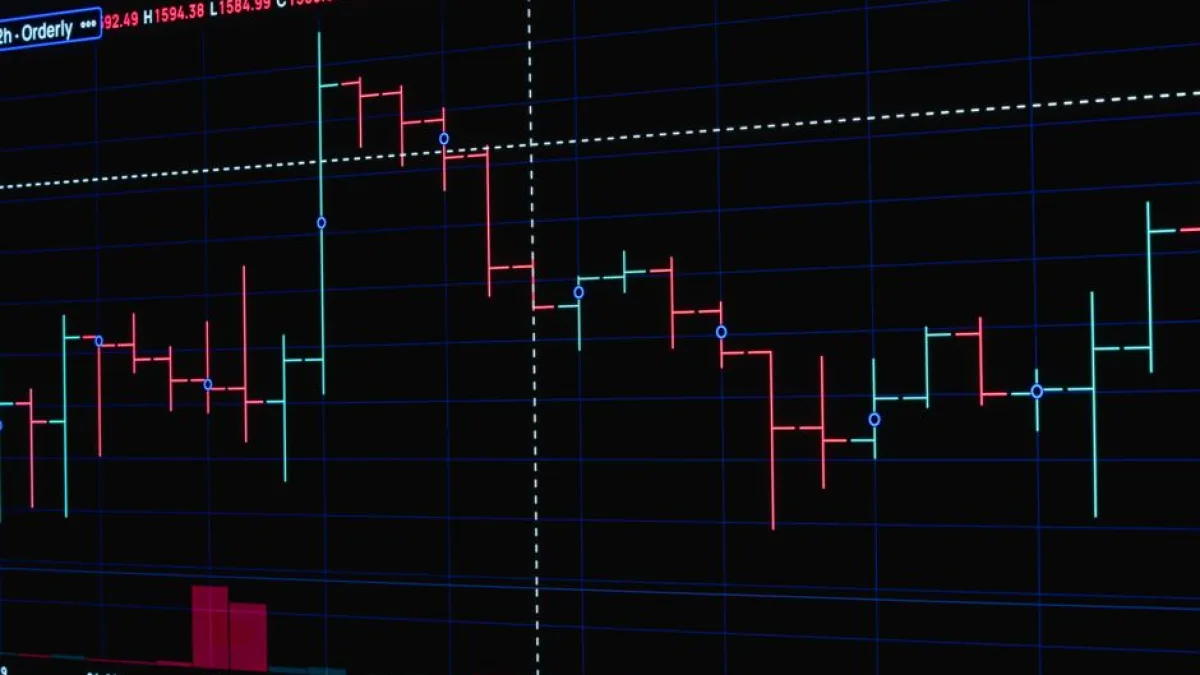
Manual data entry is a frequent source of errors that can disrupt the entire supply chain. Transitioning to automated software platforms allows forwarders to minimize human error and ensure that data flows seamlessly from commercial invoices directly into government filing systems.
- Automated Data Entry: Eliminating manual typing reduces the risk of incorrect data transmission during the customs filing process, which ensures higher accuracy and faster border processing times.
- Cloud Data Storage: Storing all compliance documents in a centralized, secure cloud environment allows for instant access by authorized personnel regardless of their global physical location.
- Seamless API Integration: Connecting your freight software directly to customs portals provides real-time status updates and reduces the reliance on fragmented, legacy communication methods for filing.
- Error Detection Algorithms: Modern platforms include built-in validation checks that identify missing fields or inconsistent information before a formal submission is ever sent to customs officials.
- Audit Trail Management: Maintaining a detailed log of every change made to a file provides transparency and accountability, proving your team followed correct procedures during shipment.
Digital automation tools are no longer optional for forwarders aiming to stay competitive in the current landscape. By reducing reliance on spreadsheets and paper-based systems, you can streamline your customs declarations while enhancing overall operational precision. These technological upgrades allow your team to shift focus toward high-value strategy rather than repetitive administrative tasks, ensuring better long-term performance and higher client satisfaction for your firm.
Managing Risk and Documentation
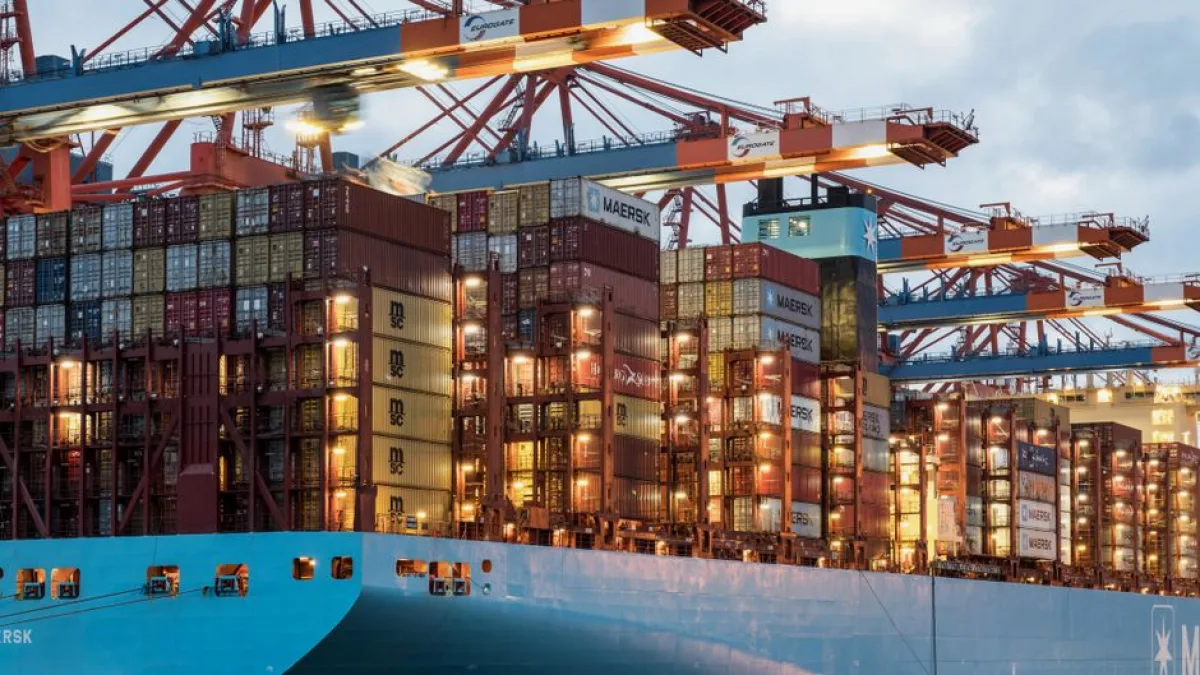
Proactive risk management involves identifying potential bottlenecks in your customs process before they become full-blown crises. Effective documentation management acts as your primary defense against inspections and provides the necessary evidence to resolve disputes with customs authorities quickly and efficiently.
- Pre-clearance Verification Protocols: Implementing a checklist for pre-clearance allows your team to catch errors before cargo arrives, significantly reducing the probability of goods being held at ports.
- Document Archiving Systems: Properly indexing all declarations, packing lists, and certificates for several years is a core requirement for responding to any historical customs audit request.
- Vendor Compliance Monitoring: Regularly reviewing the compliance practices of your suppliers and partners ensures that you are not inheriting liability from their poor documentation habits or errors.
- Security Certification Programs: Participating in programs like C-TPAT enhances your reputation with border agencies and often results in a lower frequency of physical inspections for cargo.
- Contingency Planning Strategies: Developing clear internal responses for when a shipment is flagged for inspection ensures that your team acts quickly and minimizes the total impact.
Effective risk management is the backbone of a resilient freight forwarding business. By prioritizing documentation and participating in recognized security programs, you build trust with both clients and government authorities. This strategic approach to compliance prevents small errors from escalating into costly legal or logistical nightmares. A well-prepared forwarder always keeps their documentation in perfect order to guarantee smooth transit across complex international borders.
Building a Compliance-Focused Culture
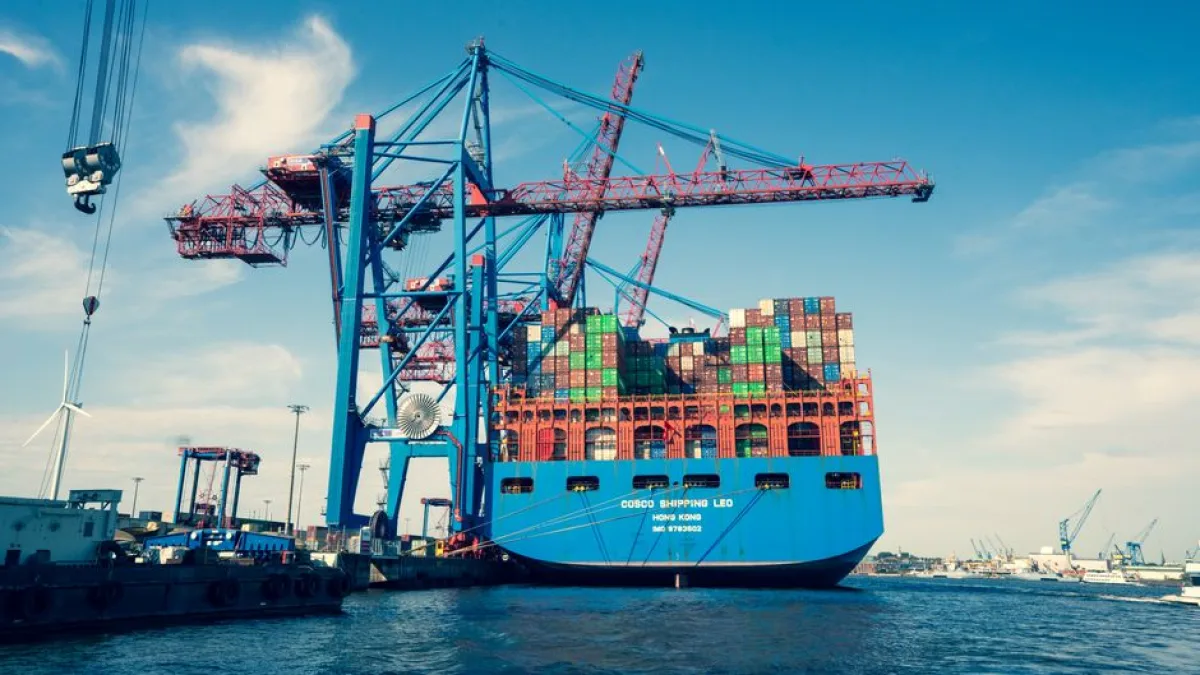
Compliance should be a core component of your company culture rather than just a checklist task. When every team member understands their role in maintaining global standards, the entire organization becomes more proactive in identifying potential issues early, leading to better outcomes for all stakeholders.
- Ongoing Staff Training: Regular workshops keep your employees updated on the latest customs regulations and industry best practices, ensuring your team remains the strongest internal asset.
- Defined Compliance Roles: Assigning specific responsibilities for customs oversight prevents tasks from falling through the cracks and ensures that accountability exists throughout the logistics workflow process.
- Client Education Programs: Teaching your customers how to prepare their own documentation correctly improves your upstream data quality and reduces the rework required by your team.
- Internal Audit Processes: Conducting periodic self-assessments helps your firm identify potential gaps in compliance before a government auditor discovers them, allowing for quick, internal corrective actions.
- Feedback Loop Integration: Encouraging staff to report near-misses allows the management team to refine internal processes and prevent similar issues from repeating in future high-stakes shipments.
Fostering a culture dedicated to compliance ensures that excellence is maintained across all levels of your freight forwarding firm. When employees feel empowered to question potential errors, they act as a safeguard for the entire organization. By investing in training and clear accountability, you elevate your company status. A culture that prioritizes precision ultimately saves money and improves the reliability of your services.
Conclusion
Achieving excellence in customs compliance is an ongoing journey that requires constant adaptation to new regulations and technologies. By implementing digital automation, focusing on risk mitigation, and cultivating an internal culture of precision, your freight forwarding business will thrive in a complex global market. Use these strategies to protect your operations and provide the highest level of service to your global trade partners.